Is Child Back Pain from Backpacks Overhyped?
August 21, 2009
by: Sylvia Marten

As youngsters across the country return to school, I’ve noticed a lot of online stories the past couple of weeks stressing the importance of parents equipping their children with adequate backpacks to avoid back pain this school year.
As just one example, a recent McClatchy article noted a Consumer Reports study detailing how sixth graders at three New York schools were carrying far too much weight in their backpacks – 17.2 percent of their body weights on average, with some children carrying more than 30 pounds – and emphasized the importance of safety when choosing and using backpacks.
While child safety should always be of utmost consideration, it’s also safe to say that the idea of backpacks being dangerous to the health and wellness of school children is a slightly overblown point at a timely moment in the calendar year.
Still, as a parent whose children started school today, and as a former sufferer of back pain due to using inadequate work luggage when frequently traveling, I can take the current hype for what it is, separate the useful tips from the self-serving ones, and share some personal experiences that I think are worth mentioning to other parents.
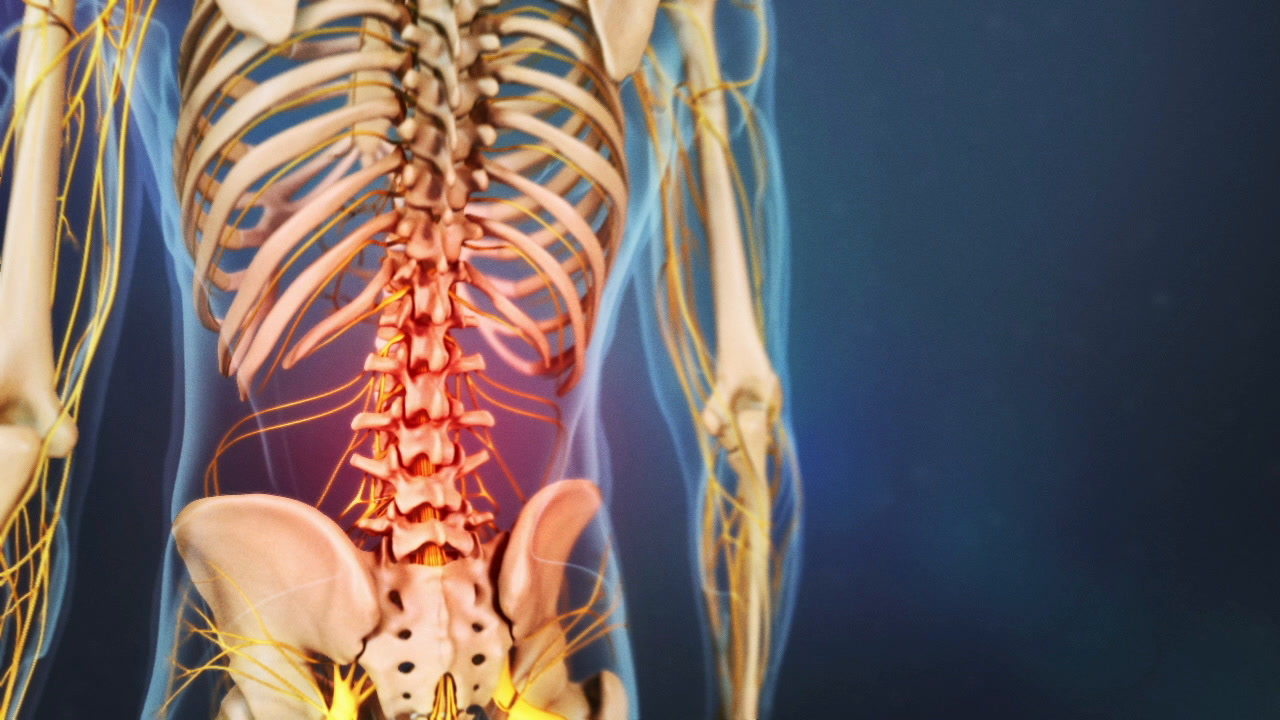
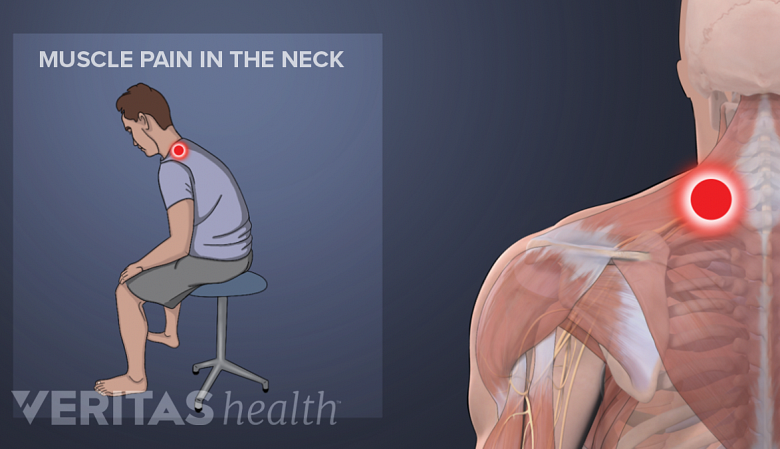
In my case, I developed back pain and neck pain while in tow with a briefcase that strapped over one shoulder on many business trips. By making a switch to a two-strap, black leather backpack that still passed as professional and also balanced the weight on my shoulders and back, as opposed to using the one-strap briefcase that placed uneven weight on my spine and strained the muscles in order to compensate, my back pain quickly improved to the point where the pain rarely occurs today.
With my personal anecdote in my mind, it is important for not only school children but all people who carry extra weight on their backs at some point of the day to find a backpack that is comfortable. While a lot of backpacks nowadays are equipped with enough features to make your head spin, here are five key components that I look for when purchasing a storage item that meets the travel and back needs of my children and myself:
- Dual straps. As stated earlier, a backpack with two wide straps allows for more even weight distribution rather than placing unneeded stress on one side of the back.
- Padding. A good backpack should have some thick padding on the straps and between the back and the backpack, thus making carrying books and other supplies a more comfortable experience for the user and a less stressful process on the back.
- Abdominal Straps. Notice a theme here. Many backpacks come equipped with straps that go around the abdomen to provide even more balanced weight distribution. Unfortunately, many people do not utilize the abdominal straps or even know that they exist on their backpacks. Oftentimes, these straps are already fastened together at the bottom of the backpack when purchased. While easy to overlook, abdominal straps are an underrated feature worth using.
- Compartments. A good backpack features several compartments for different types of items, like sharp or pointy objects that can be packed farther away from the back, thus reducing the likelihood of direct trauma to the spine.
- Flexibility. All backpacks that are worth their weight allow for the user to adjust them to their specifications (as each person’s spine is unique in its own ways). In other words, the backpack must allow for flexibility and maximum comfort for the child, teen or an adult user.
Other Considerations with Backpacks
Medical experts offer their advice on what makes an ideal backpack for a child. Some of the major points include:
- Carrying no more than 5-15% of the student’s body weight. That means, if your child is 100 pounds, he or she should carry no more than 5 to 15 pounds of materials in the backpack.
- Hanging no more than 4 inches below the waistline. The farther the backpack sags, the more pressure that is exerted on the spine. Make sure that the backpack is snug with the back to reduce the weight-bearing load.
- Appropriately sized with the student’s weight. How many times have we seen little kids with oversized backpacks? While the scene of a kindergartner swimming in his or her backpack on the first day of school may make a cute picture, it’s not good for the back. Bigger equals more weight, so make sure that the backpack is of an appropriate size for your child, even if it means saying "no" to that cool but oversized "Sponge Bob" backpack and going with something less trendy.
In addition to these helpful tips, parents can be proactive in watching how much weight is in their child's backpack.
Some things that have worked well with my children have included:
- Teaching them how to pack books in their backpacks. What may be lost on a young child is the importance of putting the heaviest objects in first as opposed to spreading them out, which creates more work and stress for the back.
- Observing how they wear their backpacks. Emphasize that your kids utilize both shoulder straps when wearing their backpacks.
- Ensuring that they are bringing home what is absolutely necessary and leaving behind items (shoes for gym class, etc.) that can stay in their lockers. Of course, this point runs the risk of children forgetting important books, but teaching them what must come home versus what can stay behind should take care of such concerns.
- Having them clean out their backpacks before the start of each school week. Like a purse or gym bag, a backpack may be a repository for items that are forgotten about and add extra weight when carried. Get rid of such excess baggage.
Of course, if your children are complaining about back pain from a backpack, take care of the situation as soon as possible. Examine how they pack their items and what they are packing, and consider if a smaller backpack may be better. Speak to a teacher if your children are being expected to bring home most of their books. Consider alternatives like luggage on wheels (if allowed in your child's school).
If the back pain persists, it may indicate an injury or other underlying condition that warrants a discussion with your pediatrician or an orthopedist.
In short, backpacks should be the least of children and parent worries during the school year. By following these tips throughout this post, you can reduce the minimal likelihood of your children experiencing back pain from backpacks and move on to more important things like finishing those last minute science experiments, getting your kids to those many school-related extracurricular activities that account for most of your weeknights, and of course making sure their homework is done every night.
Wishing your children the best success in the 2009-2010 academic year.
Sincerely,
Sylvia Marten
President, Spine-health
- Backpacks and Back Pain in Children
- Back Pain in Kids and Teens
- Sport Injuries, Back Injuries, and Back Pain
- Ten Tips for Improving Posture and Ergonomics
Connect with Spine-health:

Spine-health
Pain Forums
Spine-health
eNewsletter
Spine-health
on Twitter
Spine-health
RSS Feed
Spine-health
Health Videos

Subject: back packs
It's over hyped if you are a medical doctor.
August 26th, 2009
Subject: Reduce Pain in a Natural Way
Back Pain Relief
Pain is something that everybody has in their body and experience that quite often on different occasions due to so many different reasons like work pressure, mental stress and illness, marital difficulties and personal problems.
After reading this message i like to share a word I was looking for a pain reduction info and came across this website. After reading a
bit, I felt that the tips they gave were so basic,simple and natural of all, it all just made perfect sense. If you would like to read it,
you can…
September 9th, 2009