To help ease the stress that accompanies spine surgery, here’s a detailed checklist of items that will help you considerably during recovery, both in the hospital and at home.

These tips are tailored for anyone undergoing back or neck surgery that involves a hospital stay, but many of them will apply to the recovery from just about any type of surgery and hospital stay.
Important items to take to the hospital
Essential items that will help keep you comfortable and refreshed in the hospital include:
- Slip-on shoes. Wearing slip-on shoes for several weeks (and maybe more) after your surgery will prevent the need to bend over to tie your shoelaces. Crocs are usually a favorite because they are easy to get on, have a good grip on the sole, and can be worn both indoors and outdoors. They are useful in the hospital, as you will be encouraged to get up and walk around as much as possible soon after the surgery, and comfortable to wear on your ride back home.
- Sports water bottle. You will be encouraged to drink a lot of liquids (to stay well hydrated) after your surgery. Bringing a sports bottle with a squirt top will allow you to drink while laying down or reclining, preventing the need to sit up every time or spilling over yourself.
-
Stool softeners Postsurgical constipation is a common occurrence and it can be a major source of pain and discomfort. Prune juice, apple cider, and/or over-the-counter laxatives and stool softeners typically help prevent post-surgical constipation. Your hospital will likely provide these during your stay, but if you choose to use your own natural/personal preference, having them handy can help.
Make sure that you inform your nurse of any home medications you plan on taking as they may interfere with other medications prescribed during your hospital stay.
- Lip balm and hand cream. The air in the hospitals is almost always uncomfortably dry, so it's important to bring your preferred type of lip balm and moisturizing cream. You may also want to bring along a saline nasal spray to prevent dryness in your nasal passages.
- Toiletries. Your toothbrush, toothpaste, mouthwash, and body soap are items that you will use every day. During the first few days after surgery, a shower may not be possible. You may want to bring baby wipes or moist wipes so that you can freshen up until you’re ready to take a proper shower.
- Hand sanitizer. Having a small bottle of hand sanitizer nearby can be useful in cleaning your hands without having to get up to wash them.
Before you leave for the hospital, be sure to collect and pack these items into a small bag. The smaller toiletries can be kept in a pouch on your tray table. When they are easily reachable, you can use/reapply as needed, without asking for help.
Additional things you may want to take to the hospital
Optional items that may provide some extra comfort during your hospital stay include:
- Extra pairs of socks. If your feet tend to get cold, you may want to bring a pair of warm socks. Many hospitals have the AC turned up pretty high, which may cause your feet to feel colder than usual. Slipper socks are a good option since they have grips below and will reduce the risk of slipping.
- Foot cream. If your doctor recommends compression stockings after your surgery to prevent the formation of blood clots in your legs, a prior application of foot cream may help prevent dryness in your feet.
- Comfortable robe. You will be encouraged to be up and walking around as soon as possible after your surgery, and the hospital gowns typically don't afford much coverage in the back. Bringing your own robe or PJ’s will keep you comfortable when you start your walking sessions. If you bring PJ’s, make sure they button up the front, so you won't have to reach over your head to pull the top on.
- Earplugs. If you're a light sleeper, use earplugs—or noise cancellation headphones—to help you get some rest, or at least some peace and quiet. Hospitals are busy, noisy places. An iPod or other music players will help drown out the noise. Some people also bring eyeshades to help them sleep more soundly.
- Back scratcher. Relief from an itchy back or leg can be obtained without having to bend your spine if you have a long-handled, ergonomic grip back-scratching tool, which can easily be purchased online.
- Your own pillow and/or blanket. Some people sleep a lot better with their own pillow(s). If this is the case for you, bring your own pillow from home. Some people also prefer to use their own blanket. If you're having neck surgery, such as an ACDF or cervical artificial disc, check with your doctor and/or nurse ahead of time and ask if there is any type of pillow that they recommend for you.
Depending on your dietary allowances after surgery, it may be a nice idea to have your favorite snacks, bars, and/or juices within your reach.
Recuperating at home
Once you are home, the demand for self-care will be more. You may need extra items that were either previously available readily at the hospital or are new necessities during your longer-term recovery at home.
In addition to the items listed above, it may be useful to have:
- Ice packs. Ice is a valuable pain reliever. Frozen gel packs are often preferable to ice packs or ice cubes as patients need to keep their incisions clean and dry for the first few weeks. Ice packs will often leak onto the incisions. Applying a frozen gel pack to numb the painful area will go a long way to easing pain and discomfort. If your doctor or nurse doesn't bring it up, ask about how to use ice or cold packs for postoperative pain control.
See Ice Massage for Back Pain Relief and Ice Packs for Back Pain Relief
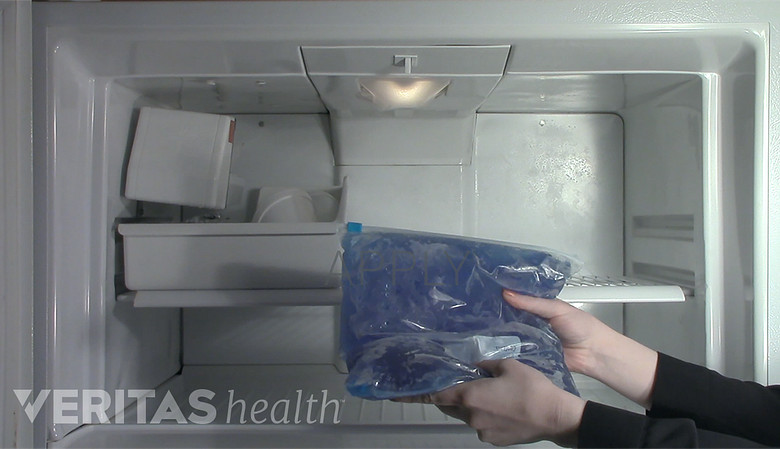
It's easy to make ice packs with household items.
- Heating pads. Starting about two days after surgery, the doctor may allow you to use heating pads to alleviate local pain and discomfort. You may also want them to apply to the areas of your body that weren't operated on; for example, if you just had lower back surgery, you may want a heating pad for your neck; it can be soothing and help keep your neck from getting stiff.
- Mini fridge. During the first few days of your recovery at home, you probably won't want to be running up and down the stairs. A mini fridge in your room allows you to stock up on water, juice, and other essentials for the day. A cheaper alternative is a cooler that can be filled with ice to keep your juice and snacks cool.
- Nutritional supplements. To assist in healing, supplements, such as vitamin C, zinc, and essential branched-chain amino acids are typically recommended by many surgeons. Many hospitals also institute an Enhanced Recovery After Surgery (ERAS) protocol, 1 Ljungqvist O, Scott M, Fearon KC. Enhanced Recovery After Surgery. JAMA Surgery. 2017;152(3):292. Available from: https://www.ncbi.nlm.nih.gov/pubmed/28097305 which addresses malnutrition and improving protein intake. Check with your surgeon regarding these supplements.
- Online support. Having a laptop or tablet in bed with you can help you keep in touch with others while recovering. You can find others going through similar experiences via supportive and informative discussion forums.
Our Back and Neck Pain Support Group on Facebook offers a great support system
- Grabber tool/reaching aid. After a lumbar spine fusion or any lower back surgery, it is likely that you will be told not to bend over or reach up for anything for a while. A simple grabber tool can help you pick up items off the floor and reach for things from an upper shelf. They can usually be found at the pharmacy stores or purchased online.
- A squeeze bottle. After a fusion surgery, it's tough to twist or reach, even just to clean up after a bowel movement. You can use a squeeze bottle filled with warm water. Moist wipes also work well.
- Extra pillows. A few well-placed pillows add support. Try placing one under your knees while lying on your back or in a reclining position, which will take the stress off your lower back. If you're a side sleeper, tuck a pillow between your knees for the same effect. Use firm pillows to prop yourself up to a reclining position while in bed.
- 45-degree wedge pillow, recliner, and donut cushions. In the weeks following surgery, sitting can be painful or uncomfortable. It is best to avoid sitting for long periods. A 45-degree wedge pillow can be placed on your bed to assist with comfort and positioning at night. Recliners can help ease pressure on your lower back, and sitting on something cushioned, such as an inflatable donut pillow or hemorrhoid pillow, can make sitting more tolerable. If you're having extensive surgery, you may want to consider renting an adjustable bed for the postoperative recovery period.
- Shower mat. An anti-slip mat in your shower area can help prevent slips and/or falls.
- Shower brush with a long handle. Using a long-handled body brush with liquid soap will help you get clean without bending, twisting or reaching.
- Shower seat and rails. If you feel that sitting down while taking a shower and having extra support to move around in the bathtub may be helpful for your recovery, installing these tools may be helpful.
- Toilet riser. This will help immensely while making frequent trips to the restroom, especially for women. Risers with handrails to lean on are most helpful.
- Cane or walker. You may feel more comfortable walking with some added stability, and if so, discuss getting a cane or walker with your doctor.
Devices such as shower chairs, toilet seat risers, walkers, and canes are usually covered by insurance. Check with your doctor about these tools and if possible, have it sent home with you. These equipment are also available to rent or buy from most medical supply stores and are also available second hand (and inexpensively).
Preparing yourself for recovery after surgery is as important as preparing for the surgery itself. If you have an upcoming surgery, use these helpful ideas and items to aid in your comfortable, speedy, and uneventful recovery.
Learn more:
56 Things to Do While Recovering from Surgery
- 1 Ljungqvist O, Scott M, Fearon KC. Enhanced Recovery After Surgery. JAMA Surgery. 2017;152(3):292. Available from: https://www.ncbi.nlm.nih.gov/pubmed/28097305