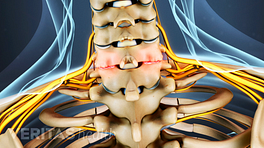
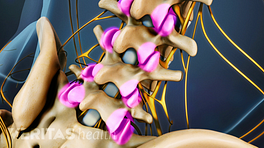
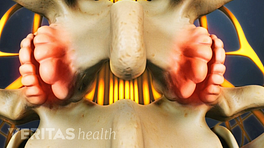
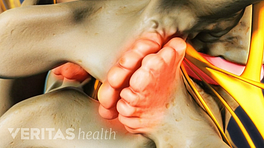
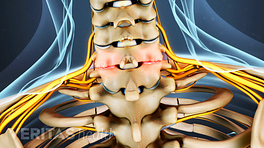
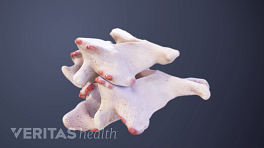
Back or neck pain is common when the spine’s facet joints are inflamed or when the spinal cord or nerve roots are irritated. This inflammation and irritation can be caused by bone spurs.
The symptoms related to bone spurs typically:
- Develop slowly over time
- Become worse with activity
- Improve with rest
The specific symptoms a person feels depends on the location of the bone spurs.
In This Article:
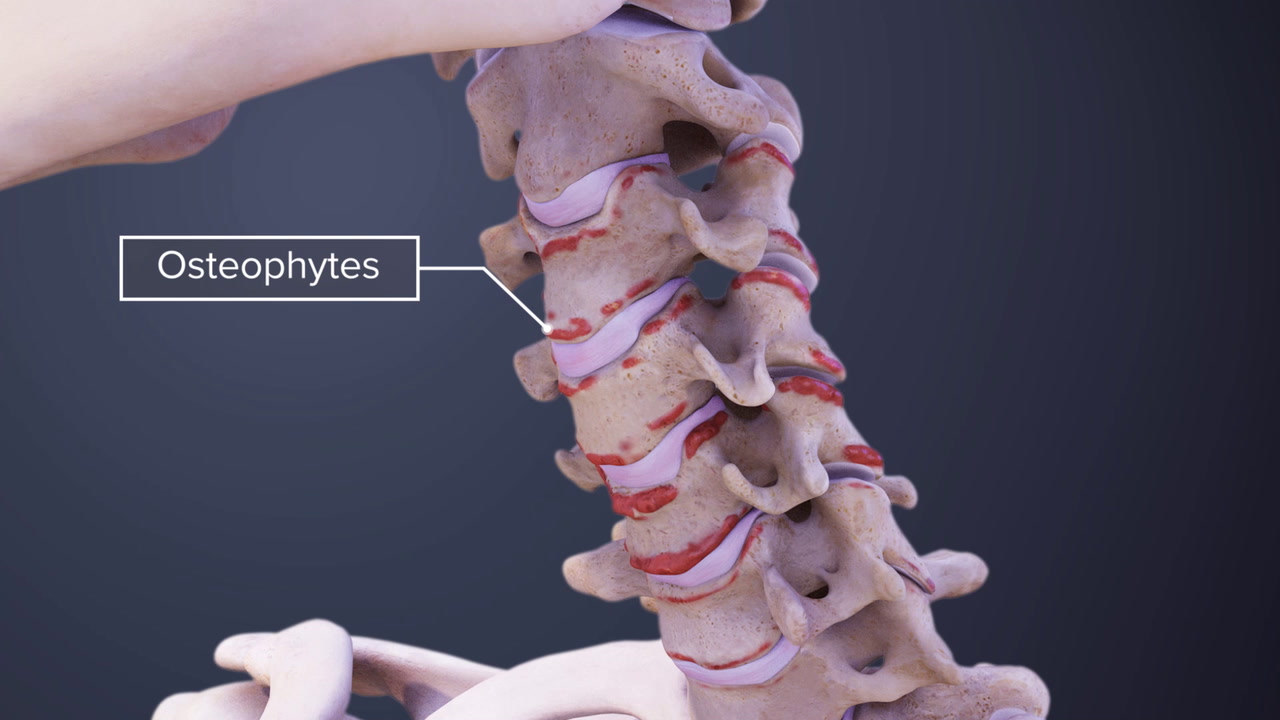
Bone Spurs in the Neck (Cervical Spine)
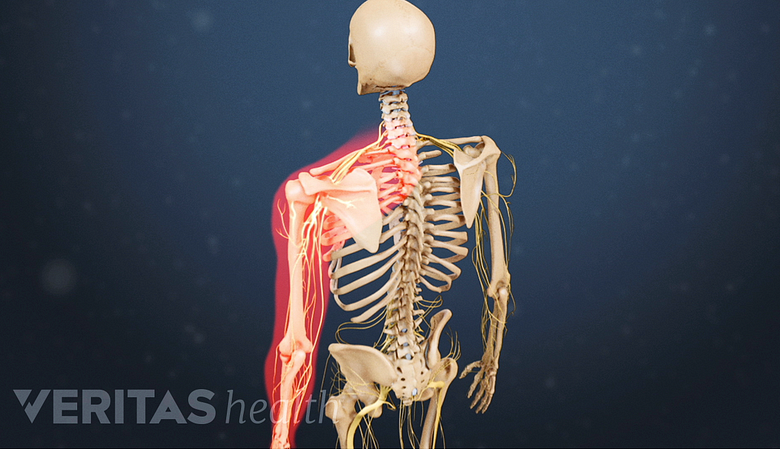
A bone spur in the cervical area leads to radiating pain in one or both arms.
Depending on the location of bone spurs in the neck, people may notice:
- Dull, achy pain in the neck that gets better with rest
- Radiating pain into one or both shoulders
- Pain, numbness, or tingling in one or both arms
- Weakness in the upper limbs
- Headaches that originate with a dull ache at the back or one side of the neck and travel up the back of the head
Numbness, tingling, and weakness in both shoulders, arms, and/or hands may be signs of spinal stenosis, commonly caused by bone spurs.
Read more about Cervical Osteophytes: Bone Spurs in the Neck
Bone Spurs in the Low Back (Lumbar Spine)
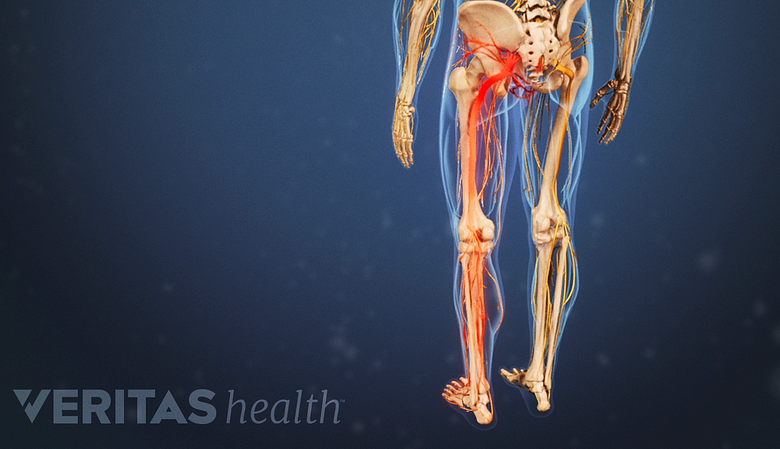
Bone spurs in the low back cause weakness and pain in one or both legs.
When bone spurs cause spinal stenosis in the lower spine, people may report feeling:
- Dull pain in lower back when standing or walking
- Pain, numbness, or tingling into the buttocks and back of the thigh(s)
- Weakness in one or both legs
- Pain relief when bending forward and flexing at the waist, such as leaning over a shopping cart or over a cane
In rare cases, spinal stenosis can also cause bowel and bladder incontinence.
Watch Lumbar Osteophytes (Bone Spurs) Video
Bone Spurs and Spinal Stenosis
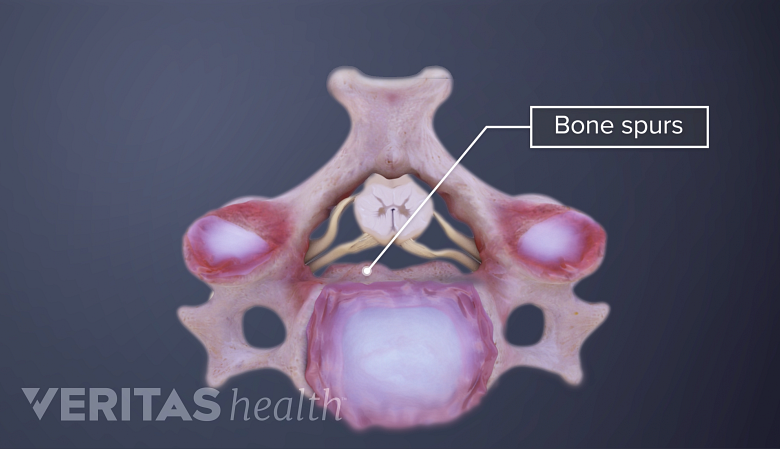
Bone spurs may cause narrowing of the spinal canal, resulting in spinal stenosis.
Understanding the connection between bone spurs and a condition called spinal stenosis requires an understanding of the spine’s anatomy:
- The spine’s 33 vertebrae form the vertebral column.
- Within the vertebral column is a space called the spinal canal, which houses the spinal cord and nerve roots.
- Nerve roots branch out from the spinal cord, exiting the spinal canal through spaces in between the vertebrae called intervertebral foramen.
- Spinal stenosis refers to the narrowing of the spinal canal. (In the medical field, stenosis means the abnormal narrowing of a body channel.)
When spinal stenosis occurs, the spinal cord and nerve roots may become compressed. This compression can cause pain, tingling, numbness and/or weakness that usually occurs bilaterally—in both legs or both arms. When spinal stenosis affects the legs, symptoms tend to be worse when standing and walking and better when sitting.
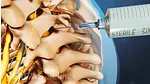
The narrowing of the canal caused by bony spinal stenosis cannot be cured without surgery, but symptoms of pain and non-progressive weakness and numbness may be managed nonsurgically with anti-inflammatory medications and steroids (either oral or via a spinal injection procedure).
Not all cases of spinal stenosis are caused by bone spurs
Bone spurs are only one possible cause of spinal stenosis. Other possible causes include but are not limited to disc bulges or herniations, spinal ligament enlargement, spinal tumors, vertebral fractures and spinal infections.
In addition, symptoms such as pain, numbness, and tingling in the limbs can have other causes, such as diabetes or poor blood circulation. Getting an accurate diagnosis is essential for appropriate treatment and pain relief.