Prolotherapy is a complementary and alternative treatment used for the management of chronic pain caused by degenerated or overused ligaments, tendons, and/or joints. The technique involves injecting small amounts of a medicated solution into the target musculoskeletal tissue(s) over a period of several weeks with the goal of inducing tissue regeneration, promoting healing, and reducing pain. 1 Rabago D, Nourani B. Prolotherapy for osteoarthritis and tendinopathy: a descriptive review. Curr Rheumatol Rep. 2017;19(6):34. , 2 Bae G, Kim S, Lee S, Lee WY, Lim Y. Prolotherapy for the patients with chronic musculoskeletal pain: systematic review and meta-analysis. Anesth Pain Med. 2021;16(1):81-95.
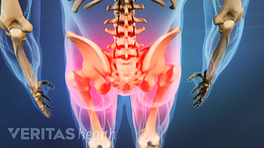
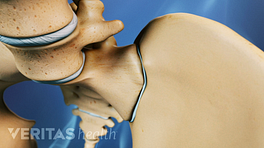
Prolotherapy for back pain usually involves treating ligaments (tough, fibrous connective tissues that connect bone to bone) and joint spaces in the spine and/or hip. 3 Devika Roy GT, Walker V. Ultrasound guided dextrose prolotherapy and platelet rich plasma therapy in chronic low back pain: three case reports. Int J Phys Med Rehabil. 2013;01(06). , 4 Rabago D, Slattengren A, Zgierska A. Prolotherapy in primary care practice. Primary Care: Clinics in Office Practice. 2010;37(1):65-80.
In the past, this injection therapy was referred to as Ligament Sclerotherapy due to the formation of scar tissue after treatment. The current and commonly used name is Prolotherapy, due to its presumed proliferative effects on chronically injured tissue. Some researchers may interchangeably use Regenerative Injection Therapy (RIT) to refer to this treatment. 4 Rabago D, Slattengren A, Zgierska A. Prolotherapy in primary care practice. Primary Care: Clinics in Office Practice. 2010;37(1):65-80. , 5 Dagenais S, Yelland MJ, Del Mar C, Schoene ML. Prolotherapy injections for chronic low-back pain. Cochrane Back and Neck Group, ed. Cochrane Database of Systematic Reviews. Published online April 18, 2007.
In This Article:
- Prolotherapy and Chronic Back Pain
- What is Prolotherapy Treatment for Chronic Back Pain?
- Potential Risks and Complications of Prolotherapy
Types of Back Pain That May Be Treated with Prolotherapy
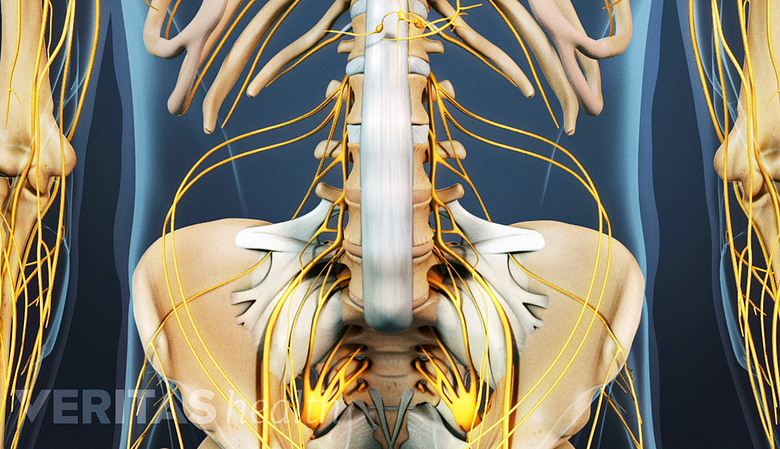
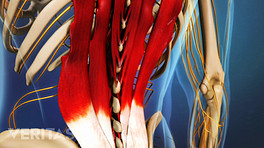
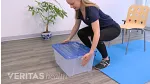
Prolotherapy treats chronic back pain from muscle or tendon dysfunction.
Prolotherapy injections may be recommended as a treatment option for back pain that has lasted for more than 3 to 6 months and has not improved with first-line nonsurgical treatments, such as physical therapy and exercise, medications, and self-care. 2 Bae G, Kim S, Lee S, Lee WY, Lim Y. Prolotherapy for the patients with chronic musculoskeletal pain: systematic review and meta-analysis. Anesth Pain Med. 2021;16(1):81-95.
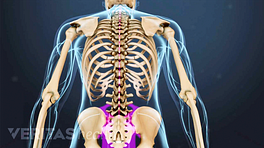
The treatment is typically considered for chronic non-specific lower back pain due to the following conditions 3 Devika Roy GT, Walker V. Ultrasound guided dextrose prolotherapy and platelet rich plasma therapy in chronic low back pain: three case reports. Int J Phys Med Rehabil. 2013;01(06). :
- Pulled muscle injury
- Gluteal tendinosis
- Lumbo-sacral ligament dysfunction
- All About Sacroiliitis
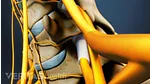
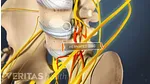
These injuries cause the cells in the affected tissue(s) and surrounding areas to become damaged, weak, and painful.
Prolotherapy is not given when an acute fracture or acute infection, such as cellulitis, local abscess, or septic arthritis, is present or suspected. 4 Rabago D, Slattengren A, Zgierska A. Prolotherapy in primary care practice. Primary Care: Clinics in Office Practice. 2010;37(1):65-80.
When Prolotherapy May Be Given
Prolotherapy treatment is usually given after nonsurgical treatments have been tried in several combinations and before surgery is considered. First-line treatments for back pain, such as spinal manipulation and exercise therapy, are often used in tandem with spinal prolotherapy to enhance its effectiveness. 5 Dagenais S, Yelland MJ, Del Mar C, Schoene ML. Prolotherapy injections for chronic low-back pain. Cochrane Back and Neck Group, ed. Cochrane Database of Systematic Reviews. Published online April 18, 2007.
How Prolotherapy Works
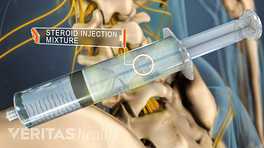
Prolotherapy is designed to work by activating an inflammatory cascade in chronically damaged tissues by injecting them directly with small amounts of a medicated solution. The solution helps to induce the body’s natural inflammatory and healing response, thereby regenerating the cells, increasing their strength, and reducing pain. 5 Dagenais S, Yelland MJ, Del Mar C, Schoene ML. Prolotherapy injections for chronic low-back pain. Cochrane Back and Neck Group, ed. Cochrane Database of Systematic Reviews. Published online April 18, 2007.
Several classes and types of injection solutions may be used to induce proliferative tissue response and signal healing in prolotherapy. These agents and their proposed actions are described below.
- Osmotic agents: act by causing an osmotic shock to cells, leading to the release of inflammatory substances and growth factors, along with deposition of collagen, to help restore healing and reduce pain.
5
Dagenais S, Yelland MJ, Del Mar C, Schoene ML. Prolotherapy injections for chronic low-back pain. Cochrane Back and Neck Group, ed. Cochrane Database of Systematic Reviews. Published online April 18, 2007.
Examples of osmotic agents include concentrated solutions of glucose, glycerin, or zinc sulphate.
- Irritants: act by either damaging the target cells directly, altering their surface proteins, or triggering a traumatic response. This response is designed to lead to an inflammatory cascade and signal cells such as macrophages, which engulf or destroy the injected particles and secrete growth factors for tissue regeneration and healing.
5
Dagenais S, Yelland MJ, Del Mar C, Schoene ML. Prolotherapy injections for chronic low-back pain. Cochrane Back and Neck Group, ed. Cochrane Database of Systematic Reviews. Published online April 18, 2007.
Examples of irritants include phenol, guaiacol, and tannic acid.
- Chemotactic agents: also act by attracting an inflammatory cascade similar to irritants.
5
Dagenais S, Yelland MJ, Del Mar C, Schoene ML. Prolotherapy injections for chronic low-back pain. Cochrane Back and Neck Group, ed. Cochrane Database of Systematic Reviews. Published online April 18, 2007.
An example of a chemotactic agent is sodium morrhuate.
Hyperosmolar dextrose, a type of sugar that belongs to the osmotic agent category, is the most commonly used injection solution for prolotherapy, followed by the chemotactic agent, sodium morrhuate. 6 Distel LM, Best TM. Prolotherapy: a clinical review of its role in treating chronic musculoskeletal pain. PM&R. 2011;3:S78-S81.
The dextrose solution is typically used in two strengths—15% dextrose for injections of tendon and ligament attachments around a joint and 25% dextrose for injections inside a joint space. These dextrose concentrations are anecdotally derived over the decades by physicians who practice prolotherapy. Anesthetic medication and saline may be used as diluents to reduce irritation and pain caused by the injection. 1 Rabago D, Nourani B. Prolotherapy for osteoarthritis and tendinopathy: a descriptive review. Curr Rheumatol Rep. 2017;19(6):34.
Doctors Who Perform Prolotherapy for Back Pain
A physician who has specific training in prolotherapy may safely perform the prolotherapy injection procedure. Physicians (MDs or DOs) who typically perform prolotherapy for spine conditions include physiatrists, anesthesiologists, orthopedic surgeons, and neurosurgeons.
Several organizations provide educational programs and training on prolotherapy for doctors, including:
- The American Osteopathic Association of Prolotherapy Integrative Pain Management
- American Association of Orthopedic Medicine
- The American Academy of Osteopathy
- American Osteopathic Academy of Sports Medicine
As with other types of spine injections, it is advisable to consult a physician with extensive experience and expertise in this specific type of injection for back pain.
Read more about Specialists Who Treat Back Pain
Success Rates of Prolotherapy Treatment for Back Pain
It is challenging to provide an exact success rate for prolotherapy due to the limited number of studies to evaluate the benefits of this intervention, and the simultaneous use of other medical treatments (such as exercise and/or spinal manipulation) that are commonly given to enhance the effectiveness of prolotherapy. 5 Dagenais S, Yelland MJ, Del Mar C, Schoene ML. Prolotherapy injections for chronic low-back pain. Cochrane Back and Neck Group, ed. Cochrane Database of Systematic Reviews. Published online April 18, 2007.
- The largest and most methodologically rigorous prolotherapy study that included over 100 participants showed significant and sustained pain reduction in both the prolotherapy and placebo (normal saline solution) groups. The participants in the study had chronic back pain, with an average duration of 14 years. 2 Bae G, Kim S, Lee S, Lee WY, Lim Y. Prolotherapy for the patients with chronic musculoskeletal pain: systematic review and meta-analysis. Anesth Pain Med. 2021;16(1):81-95. , 4 Rabago D, Slattengren A, Zgierska A. Prolotherapy in primary care practice. Primary Care: Clinics in Office Practice. 2010;37(1):65-80. , 7 Yelland MJ, Glasziou PP, Bogduk N, Schluter PJ, McKernon M. Prolotherapy injections, saline injections, and exercises for chronic low-back pain: a randomized trial: Spine. 2004;29(1):9-16.
- Other smaller studies have reported success rates for prolotherapy in >80% of the enrolled subjects, who experienced >50% reduction in back pain. 4 Rabago D, Slattengren A, Zgierska A. Prolotherapy in primary care practice. Primary Care: Clinics in Office Practice. 2010;37(1):65-80.
At this time, there is no generally accepted objective medical evidence, and no confirmatory evidence, supporting how prolotherapy works. A physician experienced in performing prolotherapy can help determine whether the treatment may be effective based on the underlying cause and duration of back pain.
- 1 Rabago D, Nourani B. Prolotherapy for osteoarthritis and tendinopathy: a descriptive review. Curr Rheumatol Rep. 2017;19(6):34.
- 2 Bae G, Kim S, Lee S, Lee WY, Lim Y. Prolotherapy for the patients with chronic musculoskeletal pain: systematic review and meta-analysis. Anesth Pain Med. 2021;16(1):81-95.
- 3 Devika Roy GT, Walker V. Ultrasound guided dextrose prolotherapy and platelet rich plasma therapy in chronic low back pain: three case reports. Int J Phys Med Rehabil. 2013;01(06).
- 4 Rabago D, Slattengren A, Zgierska A. Prolotherapy in primary care practice. Primary Care: Clinics in Office Practice. 2010;37(1):65-80.
- 5 Dagenais S, Yelland MJ, Del Mar C, Schoene ML. Prolotherapy injections for chronic low-back pain. Cochrane Back and Neck Group, ed. Cochrane Database of Systematic Reviews. Published online April 18, 2007.
- 6 Distel LM, Best TM. Prolotherapy: a clinical review of its role in treating chronic musculoskeletal pain. PM&R. 2011;3:S78-S81.
- 7 Yelland MJ, Glasziou PP, Bogduk N, Schluter PJ, McKernon M. Prolotherapy injections, saline injections, and exercises for chronic low-back pain: a randomized trial: Spine. 2004;29(1):9-16.