Dear Spine-Health Member,
When you’re dealing with chronic or ongoing episodes of back pain/neck pain, sometimes it seems that half the battle is just finding the right kind of spine specialist to diagnose and treat your pain.
Should you go to a chiropractor or a medical doctor? When is it time to see a specialist instead of your primary care doctor? What type of spine specialist should you consult? When should you get advice from a spine surgeon?
While you may have hit the jackpot and found the right type of spine specialist right away, most people end up seeing a variety of specialists over time. And because there is no real consensus on how to treat many back conditions, you may hear conflicting opinions from each specialist you talk to.
This newsletter is intended to help you navigate through the array of health care professionals who specialize in spine medicine and hopefully shorten the amount of time, effort and expense it takes for you to find a treatment that works for you.
Your primary physician might be a primary care physician/internist who is an M.D. (Medical Doctor) or D.O. (Doctor of Osteopathy). Some people may prefer to visit a chiropractor (Doctor of Chiropractic) at the initial onset of back pain.
For more information about visiting a spine surgeon, please see When to see a surgeon for lower back pain.
It is important to note that no single type of physician treats all types of back pain or neck pain. Some types of pain may respond to manual treatments (e.g. chiropractic or osteopathic manipulation or physical therapy), whereas others might respond better to medical treatments (e.g. medications, injections, etc).
There is a review and description of each type of spine specialist - including Orthopedic surgeons, Neurosurgeons, Physiatrists, Anesthesiologists/Pain management specialists, Neurologists, Rheumatologists, Chiropractors, Osteopathic physicians, Physical/Occupational therapists, and Psychologists - in the article Specialists who treat back pain.
There is a growing trend in medicine toward diagnosing and treating back pain/neck pain with an integrated approach. The integrated (or multidisciplinary) approach means that health care professionals from different specialties work together to diagnose and treat your spinal condition.
Such integrated care may be part of virtual or physical spine centers that are standalone practices or part of a hospital. Spine centers may include orthopedic surgeons, neurosurgeons, physiatrists (physical medicine and rehabilitation specialists), pain medicine and management physicians, osteopaths, neuroradiologists, anesthesiologists, chiropractors, physical therapists, sports medicine physicians, psychologists, nurse practitioners and other medical professionals among its integrated staff that focuses exclusively on the spine. The Spine Center Excellence Program represents a collection of some of the top centers in the United States.
One main advantage of an integrated approach is that it should help reduce the long process of trying to find the right doctor to treat your pain. An integrated spine clinic should have an efficient upfront screening process and a range of expertise represented in one location, with the goal of getting you referred to the right kind of specialist for your treatment.
Another advantage is that your care should be well coordinated, and ideally the communication and coordination between specialists should lead to higher quality medical care. This should be especially helpful if there are multiple potential causes of your pain, or if your case is complex and you need treatment from more than one specialist.
Many solo practitioners or single-specialty clinics will work within an integrated system - referring patients within a network of other spine specialists in the area - and this can work just as well and with all the advantages of an integrated clinic. See The integrated approach to back pain treatment.
When you're in pain it can be difficult to describe your situation to the doctor in a complete, concise and accurate manner. Therefore, it’s important to research the questions your doctor is likely to ask you and be well prepared to provide thorough, precise information. This preparation is the best way you can help your doctor arrive at an accurate diagnosis and treatment plan. The article Getting an accurate back pain diagnosis will be helpful before you visit the specialist.
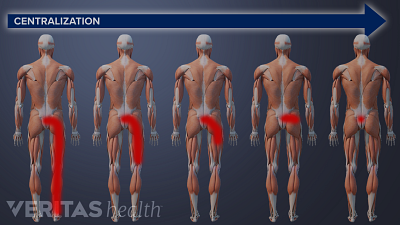
As difficult as it may be to articulate the type of pain you feel, it’s important to be as detailed as possible. When did the pain start? Is there anything you do that makes your pain feel better or worse? Describe your pain - sharp, lancinating, dull, piercing, aching, etc. When the pain is at its worst, what can you still do and what can you not do? Does your pain move around, or is it always in the same location?
To find a spine specialist in your area, please use Spine-health’s physician directory.
Some people feel that it’s most important for a doctor to listen to them and treat them respectfully, and others don’t care about the doctor’s bedside manner - all they care about are his or her skills. This part of choosing a doctor is really up to you. However, it’s always important to be well prepared to ask your doctor relevant questions, report your condition thoroughly and accurately, and conduct research to help ensure that you see the right kind of specialist for your condition. We hope that this newsletter and the articles in Spine-health.com help you in these efforts.
Best regards,
Peter F. Ullrich, Jr., M.D., Medical Director
Stephanie Burke, President
Spine-health.com
About the Spine-health.com Newsletter: Each issue of the Spine-health.com newsletter, SpineNews Update, is written by the founders of Spine-health.com - Peter F. Ullrich, Jr., M.D., Medical Director for Spine-health.com and Stephanie Burke, President of Spine-health.com. The content in the newsletters is not peer reviewed by Spine-health.com’s Medical Advisory Board. The articles to which the Spine-health.com newsletters link have been peer reviewed by members of the Medical Advisory Board.