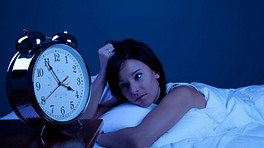
Prescription sleep medications include a range of sedative agents that promote drowsiness and help people fall asleep and/or stay asleep.
These medications are an important therapeutic tool for the short-term management of insomnia, a condition characterized by poor sleep quality, difficulty falling asleep, and/or the inability to stay asleep. 1 Kaur H, Spurling BC, Bollu PC. Chronic Insomnia. 2023 Feb 12. In: StatPearls [Internet]. Treasure Island (FL): StatPearls Publishing; 2023 Jan–. PMID: 30252392.
Research indicates that about 8% of adults in the United States take sleep medication every night or most nights to fall asleep or stay asleep. 2 Reuben C, Elgaddal N, Black L. Sleep Medication Use in Adults Aged 18 and Over: United States, 2020. www.cdc.gov. Published January 2023. Accessed July 17, 2023. https://www.cdc.gov/nchs/data/databriefs/db462.pdf.
In This Article:
When Sleep Medications are Prescribed
Sleep medications may be prescribed when an individual’s quality of life is significantly affected due to the lack of quality sleep.
- Prescription medications are usually considered when over-the-counter (OTC) and non-drug therapies (eg, sleep hygiene and cognitive behavioral therapy) are ineffective. In general, cognitive behavioral therapy is considered the first-line therapy for chronic insomnia. 3 Dujardin S, Pijpers A, Pevernagie D. Prescription drugs used in insomnia. Sleep Medicine Clinics. 2020;15(2):133-145.
- In some cases, a sleep aid may be prescribed before trying OTC drugs or other therapies, and after a specific period of time, non-prescription options may be continued.
The duration of treatment and type of medication depends on the underlying cause, severity, and duration of insomnia.
Prescription Sleep Medications
Common prescription medications used to treat insomnia include medications that work directly on the areas of the brain that regulate sleep/wake cycles and medications that have sedating side effects.
Sleep aids approved by the FDA for treating insomnia
Sufficient research has shown the following sleep aids are effective for treating insomnia:
- Melatonin receptor agonists. These drugs help regulate the body’s sleep/wake cycle through an action similar to melatonin, a natural hormone that signals when it is time to fall asleep or wake up.
- Benzodiazepines and Z-drugs (benzodiazepine receptor agonists). Benzodiazepines and Z-drugs are sedative-hypnotic medications. These drugs act on the gamma-aminobutyric acid (GABA) receptors in the brain and produce sedation by calming the nervous system.
- Dual orexin receptor antagonists (DORAs). DORAs block receptors in the brain that keep people awake for extended periods of time during the day.
- Antidepressants. Some low-dose antidepressants have sedating side effects, which may help people stay asleep.
Sleep aids used off-label for treating insomnia
Certain types of antidepressant drugs, such as trazodone and tricyclic antidepressants (eg, amitriptyline), have sedative properties that may help people fall asleep or stay asleep longer and may be used off-label to treat some cases of insomnia.
Prescription medications used off-label for treating nightmares
For individuals with post-traumatic stress disorder (PTSD), nightmares have the potential to disrupt sleep duration and quality. In these cases, medications are prescribed to reduce the occurrence of nightmares rather than inducing sleep. 4 Basquez R, Pippin MM. Prazosin. [Updated 2023 Jun 12]. In: StatPearls [Internet]. Treasure Island (FL): StatPearls Publishing; 2023 Jan-. Available from: https://www.ncbi.nlm.nih.gov/books/NBK555959/
Prazosin is an antihypertensive medication that has demonstrated effectiveness in reducing nightmares associated with PTSD. However, it is still unknown whether this medication is beneficial in individuals without PTSD. 4 Basquez R, Pippin MM. Prazosin. [Updated 2023 Jun 12]. In: StatPearls [Internet]. Treasure Island (FL): StatPearls Publishing; 2023 Jan-. Available from: https://www.ncbi.nlm.nih.gov/books/NBK555959/
Specific Sleep Medications and Their Effects
The following table lists the medications approved by the FDA for treating insomnia, the primary symptoms they treat, and the average recommended duration of treatment.
| Medication | Helps fall asleep | Helps stay asleep | Average Duration of Treatment |
|---|---|---|---|
| Melatonin receptor agonist | |||
| Ramelteon (Rozerem) 5 Rozerem. Package Insert. Takeda Pharmaceuticals America, Inc.; 2023 | ✓ | Variable | |
| Benzodiazepines | |||
| Temazepam (Restoril) 6 Restoril. Package Insert. SpecGx LLC; 2023 | ✓ | ✓ | 1 to 2 weeks |
| Triazolam (Halcion) 7 Halcion. Package Insert. Pharmacia & Upjohn Company LLC; 2023 | ✓ | 1 to 2 weeks | |
| Benzodiazepine receptor agonists | |||
| Zolpidem (Ambien) 8 Ambien. Package Insert. Sanofi-Aventis U.S. LLC; 2019 | ✓ | 4 to 5 weeks | |
| Zaleplon (Sonata) 9 Zaleplon. Package Insert. Aurobindo Pharma Limited; 2021 | ✓ | 4 to 5 weeks | |
| Eszopiclone (Lunesta) 10 Lunesta. Package Insert. Sunovion Pharmaceuticals Inc.; 2023 | ✓ | ✓ | 6 months |
| Dual orexin receptor antagonists | |||
| Suvorexant (Belsomra) 11 Belsomra. Package Insert. Merck Sharp & Dohme LLC; 2023 | ✓ | ✓ | Variable |
| Daridorexant (Quviviq) 12 Quviviq. Package Insert. Idorsia Pharmaceuticals Ltd; 2023 | ✓ | ✓ | Variable |
| Lemborexant (Dayvigo) 13 Dayvigo. Package Insert. Eisai Inc.; 2023 | ✓ | ✓ | Variable |
| Antidepressants | |||
| Doxepin (Silenor) 14 Silenor. Package Insert. Currax Pharmaceuticals LLC; 2023 | ✓ | Variable | |
Sleep medications approved by the FDA are generally considered to be equally effective, but doctors take several factors into consideration before prescribing a specific class of medication. 15 Sateia MJ, Buysse DJ, Krystal AD, Neubauer DN, Heald JL. Clinical Practice Guideline for the Pharmacologic Treatment of Chronic Insomnia in Adults: An American Academy of Sleep Medicine Clinical Practice Guideline. Journal of Clinical Sleep Medicine. 2017;13(02):307-349. doi:10.5664/jcsm.6470
Factors that Affect the Type of Prescription Sleep Medication
Choosing the right medication involves consideration of multiple factors. In most cases, insomnia is associated with a co-occurring condition, which can be physical (eg, chronic pain or obstructive sleep apnea) or psychiatric (eg, depression). Medication selection is typically based on both factors, in addition to individual preference. 14 Silenor. Package Insert. Currax Pharmaceuticals LLC; 2023
Additional considerations for choosing the most appropriate sleep aid include:
- Comorbid medical conditions. Liver disease can impact how long a medication stays in the body, which may increase or decrease its effect and side effects.
Other conditions such as heart disease and chronic obstructive pulmonary disease may potentially increase the risk of severe adverse events, such as slowed or depressed breathing. 4 Basquez R, Pippin MM. Prazosin. [Updated 2023 Jun 12]. In: StatPearls [Internet]. Treasure Island (FL): StatPearls Publishing; 2023 Jan-. Available from: https://www.ncbi.nlm.nih.gov/books/NBK555959/ - 13 Dayvigo. Package Insert. Eisai Inc.; 2023 - Current medications. Several prescription and non-prescription medications can interact with sleep aids. These interactions can impact how well the medications work or increase the risk of certain side effects.
For example, taking zolpidem with certain antidepressants, like Zoloft or Prozac, can increase the amount of zolpidem that gets into the bloodstream. 4 Basquez R, Pippin MM. Prazosin. [Updated 2023 Jun 12]. In: StatPearls [Internet]. Treasure Island (FL): StatPearls Publishing; 2023 Jan-. Available from: https://www.ncbi.nlm.nih.gov/books/NBK555959/ - 13 Dayvigo. Package Insert. Eisai Inc.; 2023 - History of insomnia. Acute (short-term), intermittent, or chronic sleep disturbances determine how long a person will likely need medication. In such cases, it is important to assess the benefits and risks of long-term use of certain sleep medications.
13
Dayvigo. Package Insert. Eisai Inc.; 2023
While rare, some cases of chronic insomnia may require longer-term treatment. - Lifestyle and daily schedules. Individuals with nonstandard schedules (eg, shift work) often benefit most from short-acting medications with a lower potential for next-day impairment. 16 Auger RR, Burgess HJ, Emens JS, Deriy LV, Thomas SM, Sharkey KM. Clinical Practice Guideline for the Treatment of Intrinsic Circadian Rhythm Sleep-Wake Disorders: Advanced Sleep-Wake Phase Disorder (ASWPD), Delayed Sleep-Wake Phase Disorder (DSWPD), Non-24-Hour Sleep-Wake Rhythm Disorder (N24SWD), and Irregular Sleep-Wake Rhythm Disorder (ISWRD). An Update for 2015: An American Academy of Sleep Medicine Clinical Practice Guideline. J Clin Sleep Med. 2015;11(10):1199-1236. Published 2015 Oct 15. doi:10.5664/jcsm.5100
It is important to discuss personal treatment goals with a doctor to determine when to begin a prescription sleep medication.
Restorative sleep helps heal from inflammatory or referred back pain.
Insomnia often coexists with back pain and neck pain, and managing sleep disorders is an important component of pain management. Pain and sleep disturbances go hand-in-hand because they both impact similar areas in the brain. 17 Afolalu EF, Ramlee F, Tang NKY. Effects of sleep changes on pain-related health outcomes in the general population: A systematic review of longitudinal studies with exploratory meta-analysis. Sleep Med Rev. 2018;39:82-97. doi:10.1016/j.smrv.2017.08.001
Why sleep medication may be helpful for back or neck pain
Difficulty sleeping can be caused by the pain itself, the psychological impact of dealing with pain, and the long-term use of certain pain medications (eg, opioids). Chronic pain and functional disability can be worsened by poor sleep quality.
See Medications for Back Pain and Neck Pain
Prescription sleep aids aim to enhance the quality of sleep, which may help ease the stress caused by insomnia and improve pain symptoms. 16 Auger RR, Burgess HJ, Emens JS, Deriy LV, Thomas SM, Sharkey KM. Clinical Practice Guideline for the Treatment of Intrinsic Circadian Rhythm Sleep-Wake Disorders: Advanced Sleep-Wake Phase Disorder (ASWPD), Delayed Sleep-Wake Phase Disorder (DSWPD), Non-24-Hour Sleep-Wake Rhythm Disorder (N24SWD), and Irregular Sleep-Wake Rhythm Disorder (ISWRD). An Update for 2015: An American Academy of Sleep Medicine Clinical Practice Guideline. J Clin Sleep Med. 2015;11(10):1199-1236. Published 2015 Oct 15. doi:10.5664/jcsm.5100
Specific actions of sleep medications in managing chronic pain are:
- Reduced pain perception and sensitization. Adequate sleep can improve the threshold for pain and help the nervous system to become less sensitive to pain signals. 16 Auger RR, Burgess HJ, Emens JS, Deriy LV, Thomas SM, Sharkey KM. Clinical Practice Guideline for the Treatment of Intrinsic Circadian Rhythm Sleep-Wake Disorders: Advanced Sleep-Wake Phase Disorder (ASWPD), Delayed Sleep-Wake Phase Disorder (DSWPD), Non-24-Hour Sleep-Wake Rhythm Disorder (N24SWD), and Irregular Sleep-Wake Rhythm Disorder (ISWRD). An Update for 2015: An American Academy of Sleep Medicine Clinical Practice Guideline. J Clin Sleep Med. 2015;11(10):1199-1236. Published 2015 Oct 15. doi:10.5664/jcsm.5100
- Improved healing. Restorative sleep fosters an environment that helps promote tissue repair, healing, and inflammation reduction. 16 Auger RR, Burgess HJ, Emens JS, Deriy LV, Thomas SM, Sharkey KM. Clinical Practice Guideline for the Treatment of Intrinsic Circadian Rhythm Sleep-Wake Disorders: Advanced Sleep-Wake Phase Disorder (ASWPD), Delayed Sleep-Wake Phase Disorder (DSWPD), Non-24-Hour Sleep-Wake Rhythm Disorder (N24SWD), and Irregular Sleep-Wake Rhythm Disorder (ISWRD). An Update for 2015: An American Academy of Sleep Medicine Clinical Practice Guideline. J Clin Sleep Med. 2015;11(10):1199-1236. Published 2015 Oct 15. doi:10.5664/jcsm.5100
- Better emotional well-being. Getting adequate sleep can help reduce emotional distress and make it easier to cope with pain. 16 Auger RR, Burgess HJ, Emens JS, Deriy LV, Thomas SM, Sharkey KM. Clinical Practice Guideline for the Treatment of Intrinsic Circadian Rhythm Sleep-Wake Disorders: Advanced Sleep-Wake Phase Disorder (ASWPD), Delayed Sleep-Wake Phase Disorder (DSWPD), Non-24-Hour Sleep-Wake Rhythm Disorder (N24SWD), and Irregular Sleep-Wake Rhythm Disorder (ISWRD). An Update for 2015: An American Academy of Sleep Medicine Clinical Practice Guideline. J Clin Sleep Med. 2015;11(10):1199-1236. Published 2015 Oct 15. doi:10.5664/jcsm.5100
Improving sleep quality is an important component of pain management.
Pain-relieving medications with a sedative effect
When sleep medications are not prescribed or cannot be taken, insomnia may be managed with the use of certain pain medications that cause drowsiness as a side effect.
These medications include neuropathic pain medication (eg, Neurontin, Lyrica), muscle relaxers (eg, Soma, Zanaflex), and some types of opioid analgesics (eg, tramadol).
Safety Profile of Sleep Medications
Prescription sleep medications are relatively safe when used in the short-term at the recommended doses. The side effects are generally mild and related to the sedating effects of these drugs. There is limited research on the long-term impact of side effects and the safety of these medications.
Serious adverse events are rare, but certain drug classes and the presence of some underlying medical conditions may increase the risk of complications.
Common side effects of prescription sleep aids
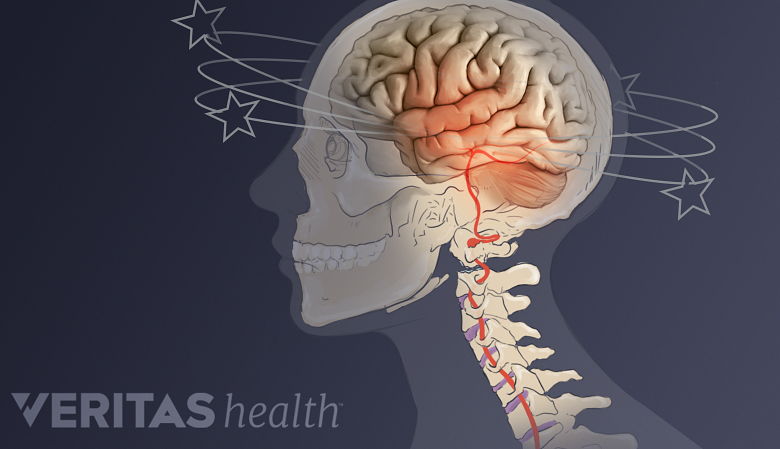
Dizziness is a common side effect of prescription pain medication.
Treating Insomnia from Back Pain or Neck Pain
The common side effects of all prescription sleep medications include 4 Basquez R, Pippin MM. Prazosin. [Updated 2023 Jun 12]. In: StatPearls [Internet]. Treasure Island (FL): StatPearls Publishing; 2023 Jan-. Available from: https://www.ncbi.nlm.nih.gov/books/NBK555959/ - 13 Dayvigo. Package Insert. Eisai Inc.; 2023 :
- Drowsiness
- Dizziness
- Headache
- Gastrointestinal upset
- Dry mouth
The impact of these side effects varies, and for most people, these effects do not pose a major risk to daily activities. Additional side effects vary depending on the mechanism of action of the medication.
Serious adverse events of prescription sleep aids
All prescription medications indicated for insomnia have warnings for 4 Basquez R, Pippin MM. Prazosin. [Updated 2023 Jun 12]. In: StatPearls [Internet]. Treasure Island (FL): StatPearls Publishing; 2023 Jan-. Available from: https://www.ncbi.nlm.nih.gov/books/NBK555959/ - 13 Dayvigo. Package Insert. Eisai Inc.; 2023 :
- Complex sleep behaviors, such as sleepwalking, sleep-driving, and engaging in other activities while not fully awake
- Impairment of alertness, driving, and motor coordination the next day
- Behavior changes and abnormal thinking, including agitation, depersonalization, and bizarre behavior
- Worsening depression in individuals diagnosed with depressive disorders
Factors like underlying medical conditions and use with alcohol may increase the risk for some of these warnings. Additional warnings exist and are unique to the mechanism of action of the medication.
Addiction risk of prescription sleep aids
In general, prescription sleep aids have a low addiction risk when used at the recommended dose. However, tolerance to benzodiazepines (Restoril, Halcion) may occur quickly so these medications should be used for a short duration of time (1 to 2 weeks). 5 Rozerem. Package Insert. Takeda Pharmaceuticals America, Inc.; 2023 , 6 Restoril. Package Insert. SpecGx LLC; 2023
Withdrawal symptoms of sleep aids
When stopping some medications, it is possible to experience withdrawal symptoms. These symptoms are most common with higher doses of benzodiazepines (Restoril, Halcion) when used long-term but may also occur with the Z-drugs (Ambien, Lunesta, Sonata). 14 Silenor. Package Insert. Currax Pharmaceuticals LLC; 2023
Sleep Medications for Kids and Adolescents
In rare situations, prescription sleep aids may be prescribed to children or adolescents. 18 Bruni O, Angriman M, Calisti F, et al. Practitioner Review: Treatment of chronic insomnia in children and adolescents with neurodevelopmental disabilities. J Child Psychol Psychiatry. 2018;59(5):489-508. doi:10.1111/jcpp.12812
Certain medical conditions may necessitate the need for sleep medications
Serious injuries (eg, traumatic brain injury) and severe cases of psychiatric and neurodevelopmental disorders (eg, autism spectrum disorder) are sometimes associated with sleep disturbances and may require prescription sleep aids.
Prescription sleep medications are not FDA-approved for kids
It is important to note that FDA-approved prescription medications for managing insomnia in adults are not approved for use in children. Limited research is available regarding the safe use of prescription sleep aids in the pediatric population. The use of these medications for children is off-label.
The dosing, side effects, and adverse events of these drugs differ for children and adults. It is essential to note that sleep aids should not be given to a child without a prescription or evaluation by a licensed medical professional.
Melatonin as a sleep aid for kids and adolescents
While not a prescription medication, the use of melatonin as a sleep aid for kids is increasing due to its availability over the counter and its classification as a natural product. However, melatonin’s rise in popularity is also leading to an increase in the number of reported overdose cases. 19 Health Advisory: Melatonin Use in Children and Adolescents. American Academy of Sleep Medicine – Association for Sleep Clinicians and Researchers. Accessed August 28, 2023. https://aasm.org/advocacy/position-statements/melatonin-use-in-children-and-adolescents-health-advisory/
Taking more than the recommended does not usually cause significant harm, but accidental overdose may lead to serious side effects requiring hospitalization. 20 Lelak K. Pediatric Melatonin Ingestions — United States, 2012–2021. MMWR Morbidity and Mortality Weekly Report. 2022;71. doi: 10.15585/mmwr.mm7122a1
This product is beneficial in some cases of developmental disabilities or psychiatric conditions. However, it is not recommended to be given to kids without supervision by a qualified healthcare professional. 19 Health Advisory: Melatonin Use in Children and Adolescents. American Academy of Sleep Medicine – Association for Sleep Clinicians and Researchers. Accessed August 28, 2023. https://aasm.org/advocacy/position-statements/melatonin-use-in-children-and-adolescents-health-advisory/
See Natural Remedies and Herbal Supplements as Sleep Aids
Sleep Medications for Older Adults
Use of sleep medications in older adults is common due to the increase in sleep disturbances that can naturally occur as people age. Insomnia also impacts people with neurodegenerative disorders (eg, Parkinson’s disease, Alzheimer’s disease, and dementia).
Increased risk of side effects with sleep medications in older adults
The use of sleep aids in older adults carries a higher risk for side effects and adverse events due to multiple factors:
- The body’s ability to process and clear medications is naturally reduced with age, and older adults are more likely to have impaired liver or kidney function, which can enhance the side effects of sleep medication.
- Older adults usually take multiple medications and supplements, which may increase the risk of potentially dangerous drug interactions with sleep aids.
- Medical conditions common in older adults (such as sleep apnea and respiratory disorders) increase the risk of respiratory depression (slowed breathing) for some sleep medications.
- Certain sleep medications may cause cognitive impairment, and this effect can be enhanced in older adults, which increases the risk of falls or worsened overall cognitive function.
The most significant side effect risk is cognitive impairment (eg, memory, concentration, visual perception, and orientation). These effects can be dangerous and are linked to an increased risk of falls and injury.
Non-drug options, such as sleep schedules and relaxing bedtime routines, are generally the preferred therapy due to the safety risks of medication. When sleep aids are prescribed, lower doses and routine monitoring for side effects and adverse events are recommended. 21 2023 American Geriatrics Society Beers Criteria Update Expert Panel. American Geriatrics Society 2023 updated AGS Beers Criteria for potentially inappropriate medication use in older adults. J Am Geriatr Soc. 2023;71(7):2052-2081. doi:10.1111/jgs.18372
Safe use of sleep medications in older adults
To reduce the risk of complications in older adults, it is advisable to implement the following safe practices when using sleep medications:
- Take the medication right before bedtime
- Avoid driving or drinking alcohol after taking sleep medication
- Avoid combining prescription sleep medication with OTC sleep aids
It is also beneficial to limit using sleep medication to 3-4 times per week and allow the body to try to fall asleep naturally on the other days to prevent reliance on the medication.
Sleep Medications in Pregnancy and Lactation
Pregnant or lactating women should use caution when deciding whether to use sleep medications. There is limited research on the safe use of sleep aids in this population, and the risks to the developing fetus or infant should be carefully weighed against the benefit to the mother.
The use of a sleep aid when pregnant or breastfeeding should be under the supervision of a doctor. Non-drug therapies, such as sleep hygiene and relaxation techniques, are generally the preferred and safest approach to managing insomnia in new or expectant mothers.
See Using Supplements, Natural Remedies and OTC Sleep Aids Safely
- 1 Kaur H, Spurling BC, Bollu PC. Chronic Insomnia. 2023 Feb 12. In: StatPearls [Internet]. Treasure Island (FL): StatPearls Publishing; 2023 Jan–. PMID: 30252392.
- 2 Reuben C, Elgaddal N, Black L. Sleep Medication Use in Adults Aged 18 and Over: United States, 2020. www.cdc.gov. Published January 2023. Accessed July 17, 2023. https://www.cdc.gov/nchs/data/databriefs/db462.pdf.
- 3 Dujardin S, Pijpers A, Pevernagie D. Prescription drugs used in insomnia. Sleep Medicine Clinics. 2020;15(2):133-145.
- 4 Basquez R, Pippin MM. Prazosin. [Updated 2023 Jun 12]. In: StatPearls [Internet]. Treasure Island (FL): StatPearls Publishing; 2023 Jan-. Available from: https://www.ncbi.nlm.nih.gov/books/NBK555959/
- 5 Rozerem. Package Insert. Takeda Pharmaceuticals America, Inc.; 2023
- 6 Restoril. Package Insert. SpecGx LLC; 2023
- 7 Halcion. Package Insert. Pharmacia & Upjohn Company LLC; 2023
- 8 Ambien. Package Insert. Sanofi-Aventis U.S. LLC; 2019
- 9 Zaleplon. Package Insert. Aurobindo Pharma Limited; 2021
- 10 Lunesta. Package Insert. Sunovion Pharmaceuticals Inc.; 2023
- 11 Belsomra. Package Insert. Merck Sharp & Dohme LLC; 2023
- 12 Quviviq. Package Insert. Idorsia Pharmaceuticals Ltd; 2023
- 13 Dayvigo. Package Insert. Eisai Inc.; 2023
- 14 Silenor. Package Insert. Currax Pharmaceuticals LLC; 2023
- 15 Sateia MJ, Buysse DJ, Krystal AD, Neubauer DN, Heald JL. Clinical Practice Guideline for the Pharmacologic Treatment of Chronic Insomnia in Adults: An American Academy of Sleep Medicine Clinical Practice Guideline. Journal of Clinical Sleep Medicine. 2017;13(02):307-349. doi:10.5664/jcsm.6470
- 16 Auger RR, Burgess HJ, Emens JS, Deriy LV, Thomas SM, Sharkey KM. Clinical Practice Guideline for the Treatment of Intrinsic Circadian Rhythm Sleep-Wake Disorders: Advanced Sleep-Wake Phase Disorder (ASWPD), Delayed Sleep-Wake Phase Disorder (DSWPD), Non-24-Hour Sleep-Wake Rhythm Disorder (N24SWD), and Irregular Sleep-Wake Rhythm Disorder (ISWRD). An Update for 2015: An American Academy of Sleep Medicine Clinical Practice Guideline. J Clin Sleep Med. 2015;11(10):1199-1236. Published 2015 Oct 15. doi:10.5664/jcsm.5100
- 17 Afolalu EF, Ramlee F, Tang NKY. Effects of sleep changes on pain-related health outcomes in the general population: A systematic review of longitudinal studies with exploratory meta-analysis. Sleep Med Rev. 2018;39:82-97. doi:10.1016/j.smrv.2017.08.001
- 18 Bruni O, Angriman M, Calisti F, et al. Practitioner Review: Treatment of chronic insomnia in children and adolescents with neurodevelopmental disabilities. J Child Psychol Psychiatry. 2018;59(5):489-508. doi:10.1111/jcpp.12812
- 19 Health Advisory: Melatonin Use in Children and Adolescents. American Academy of Sleep Medicine – Association for Sleep Clinicians and Researchers. Accessed August 28, 2023. https://aasm.org/advocacy/position-statements/melatonin-use-in-children-and-adolescents-health-advisory/
- 20 Lelak K. Pediatric Melatonin Ingestions — United States, 2012–2021. MMWR Morbidity and Mortality Weekly Report. 2022;71. doi: 10.15585/mmwr.mm7122a1
- 21 2023 American Geriatrics Society Beers Criteria Update Expert Panel. American Geriatrics Society 2023 updated AGS Beers Criteria for potentially inappropriate medication use in older adults. J Am Geriatr Soc. 2023;71(7):2052-2081. doi:10.1111/jgs.18372