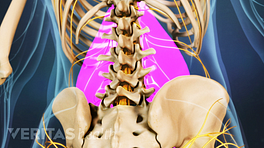
Non-steroidal anti-inflammatory drugs (NSAIDs) are a class of medications used for the treatment of pain, inflammation, and/or fever. 1 Ghlichloo I, Gerriets V. Nonsteroidal Anti-inflammatory Drugs (NSAIDs) [Updated 2023 May 1]. In: StatPearls [Internet]. Treasure Island (FL): StatPearls Publishing; 2023 Jan-. Available from: https://www.ncbi.nlm.nih.gov/books/NBK547742/
NSAIDs are the most common medication prescribed for short-term pain management of musculoskeletal conditions, such as osteoarthritis and back pain. 2 Ho KY, Cardosa MS, Chaiamnuay S, et al. Practice Advisory on the Appropriate Use of NSAIDs in Primary Care. J Pain Res. 2020;13:1925-1939. Published 2020 Aug 3. doi:10.2147/JPR.S247781
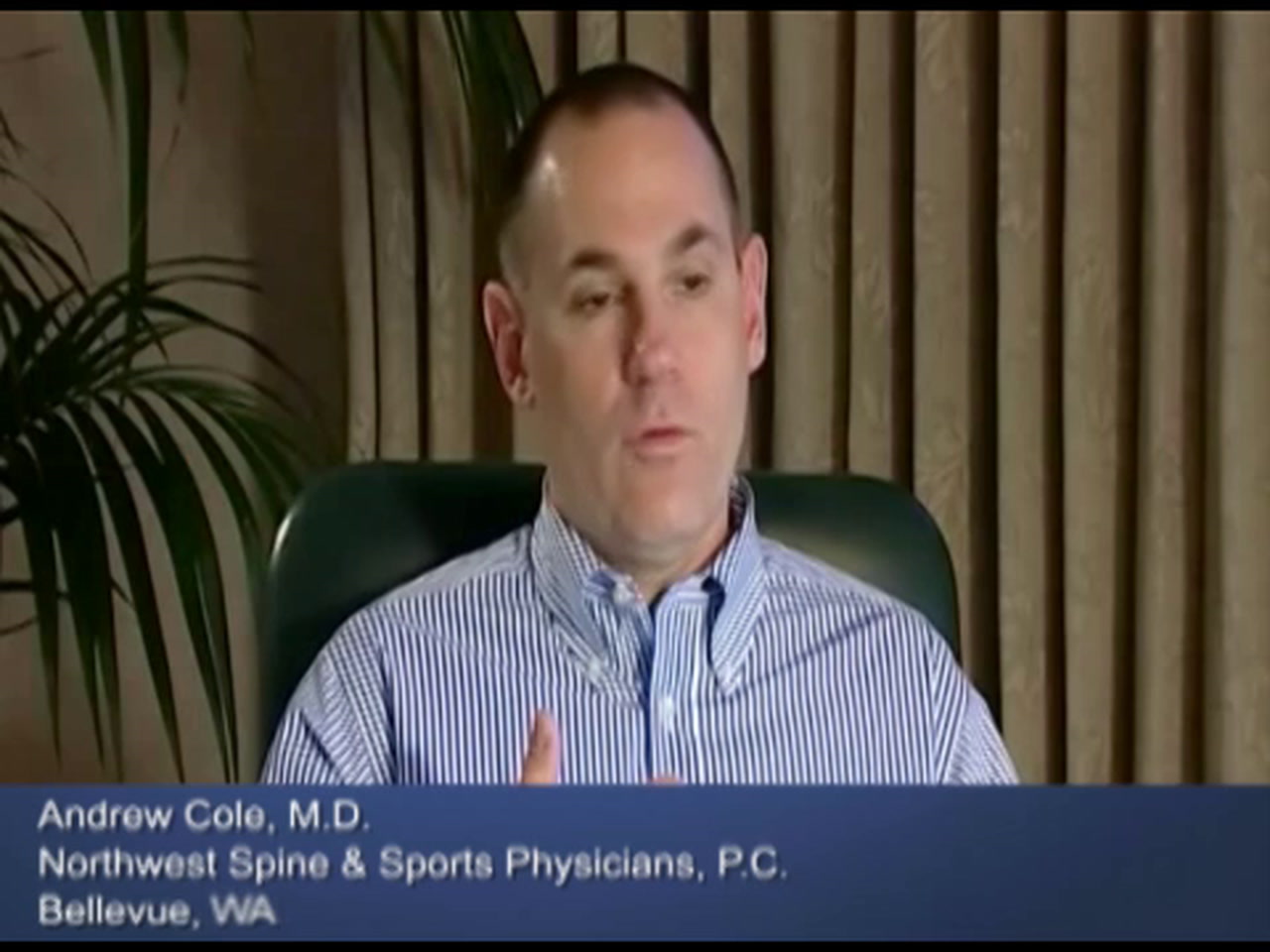
In This Article:
- NSAIDs: Non-Steroidal Anti-Inflammatory Drugs
- Common NSAIDs for Back and Neck Pain
- Potential Risks and Complications of NSAIDs
- Anti-Inflammatory Medications for Back Pain Relief Video
When NSAIDs May Be Recommended or Prescribed
NSAIDs are recommended for pain caused by inflammation, such as strains or sprains.
NSAIDs are recommended or prescribed when there is pain caused by inflammation of the muscles, ligaments, joints, bones, or other tissues in the body. 2 Ho KY, Cardosa MS, Chaiamnuay S, et al. Practice Advisory on the Appropriate Use of NSAIDs in Primary Care. J Pain Res. 2020;13:1925-1939. Published 2020 Aug 3. doi:10.2147/JPR.S247781
NSAIDs are available in lower doses over the counter (OTC) and in higher doses by prescription.
When OTC NSAIDs are recommended
NSAIDs that are available over the counter are usually sufficient for mild to moderate pain and inflammation relief. These medications are often recommended as first-line therapy if there are no serious safety risks. 3 Oliveira CB, Maher CG, Pinto RZ, et al. Clinical practice guidelines for the management of non-specific low back pain in primary care: an updated overview. Eur Spine J. 2018;27(11):2791-2803. doi:10.1007/s00586-018-5673-2
When High-Dose NSAIDs are prescribed
If initial treatment of pain and/or inflammation with low-dose NSAIDs is ineffective, or in cases of moderate to severe pain, doctors prescribe NSAIDs at higher doses after carefully reviewing the safety risks. 2 Ho KY, Cardosa MS, Chaiamnuay S, et al. Practice Advisory on the Appropriate Use of NSAIDs in Primary Care. J Pain Res. 2020;13:1925-1939. Published 2020 Aug 3. doi:10.2147/JPR.S247781
How NSAIDs Are Given
NSAIDs are given by mouth, applied topically, or administered via intramuscular (IM) or intravenous (IV) injection. Medications taken by mouth or given through injection affect pain and inflammation throughout the body (systemically), and when applied topically they work only on the area of the body to which they are applied (locally).
- Oral tablets are the most common form of NSAIDs and are widely available as both OTC and prescription medications.
- Topical modes of delivery (eg, cream, gel, and patch) are beneficial for treating localized pain related to soft-tissue injuries.
- IM injection is used in an emergency room or urgent care setting when a quick onset of pain-relieving effect is preferred.
- IV injection is used in rare cases to manage moderate to severe pain and is only used in a hospital setting.
Other modes of delivery are available for certain NSAIDs, such as rectal suppositories and nasal sprays, which produce systemic pain relief when swallowing pills is an issue.
How NSAIDs Work
All NSAIDs share a common mechanism of blocking certain enzymes (cyclooxygenase) involved in the production of chemicals that cause inflammation, pain, and fever (prostanoids). When NSAIDs bind to cyclooxygenase (COX) enzymes, they reduce the amount of prostanoids that are generated by up to 80%, which decreases the intensity of pain and inflammation. 4 Bindu S, Mazumder S, Bandyopadhyay U. Non-steroidal anti-inflammatory drugs (NSAIDs) and organ damage: A current perspective. Biochem Pharmacol. 2020;180:114147. doi:10.1016/j.bcp.2020.114147
COX-1 and COX-2 are the primary targets of NSAIDs; they are both present throughout the body, but COX-1 has vital additional functions in the gastrointestinal tract that protect the mucosal lining. 4 Bindu S, Mazumder S, Bandyopadhyay U. Non-steroidal anti-inflammatory drugs (NSAIDs) and organ damage: A current perspective. Biochem Pharmacol. 2020;180:114147. doi:10.1016/j.bcp.2020.114147
- Non-selective NSAIDs block the activity of COX-1 and COX-2 enzymes equally 4 Bindu S, Mazumder S, Bandyopadhyay U. Non-steroidal anti-inflammatory drugs (NSAIDs) and organ damage: A current perspective. Biochem Pharmacol. 2020;180:114147. doi:10.1016/j.bcp.2020.114147
- Selective NSAIDs primarily block the activity of COX-2 enzymes 4 Bindu S, Mazumder S, Bandyopadhyay U. Non-steroidal anti-inflammatory drugs (NSAIDs) and organ damage: A current perspective. Biochem Pharmacol. 2020;180:114147. doi:10.1016/j.bcp.2020.114147
The main difference between non-selective and COX-2 selective NSAIDs is the risk of potential side effects. Non-selective NSAIDs have a higher risk of causing stomach ulcers and bleeding because they block the protective mechanisms of COX-1. 1 Ghlichloo I, Gerriets V. Nonsteroidal Anti-inflammatory Drugs (NSAIDs) [Updated 2023 May 1]. In: StatPearls [Internet]. Treasure Island (FL): StatPearls Publishing; 2023 Jan-. Available from: https://www.ncbi.nlm.nih.gov/books/NBK547742/
Common NSAIDs and Their Availability
The following table lists the commonly used NSAIDs, their available modes of delivery, and whether or not they require a prescription.
| Medication | Available OTC | Available by Prescription | Modes of Delivery |
|---|---|---|---|
| Non-selective NSAIDs | |||
| Aspirin | ✓ | Oral | |
| Diclofenac (Volatren, Zipsor) | ✓ (topical only) | ✓ | Oral, topical (gel, patch, solution) |
| Ibuprofen (Advil, Motrin) | ✓ | ✓ | Oral, intravenous (IV) |
| Indomethacin (Indocin) | ✓ | Oral, intravenous (IV), rectal | |
| Ketorolac | ✓ | Oral, intramuscular (IM), intravenous (IV), nasal spray | |
| Meloxicam (Mobic) | ✓ | Oral | |
| Naproxen (Aleve, Napsrosyn) | ✓ | ✓ | Oral |
| COX-2 Selective NSAIDs | |||
| Celecoxib (Celebrex) | ✓ | Oral | |
NSAIDs that are less commonly prescribed include etodolac, fenoprofen, piroxicam, nabumetone, diflunisal, flurbiprofen, ketoprofen, sulindac tolmetin, and oxaprozin.
While most non-selective NSAIDs are FDA-approved, Celecoxib is the only FDA-approved COX-2 selective NSAID in the United States. 5 Celecoxib. Package Insert. Actavis Pharma, Inc; 2022
Combination products containing NSAIDs
Some OTC medications for treating common cold and flu symptoms contain multiple active ingredients that include NSAIDs. The combination of medications allows for the convenient treatment of multiple symptoms (eg, pain, cough, and congestion) with a single product.
When NSAIDs May Be Used to Treat Back and Neck Pain
NSAIDs are effective in treating musculoskeletal pain originating from soft and bony tissues.
NSAIDs are routinely used for the treatment of back and neck pain from various causes, including but not limited to:
- Activity-related pain or discomfort (eg, exercise or sports, housework, or other strenuous activity)
- Pain related to a pulled muscle or lower back strain
- Stiffness related to muscle, ligament, or tendon injury
- Pain related to the wear and tear of the spinal tissues, such as spinal osteoarthritis
- Post-surgical pain
All NSAIDs are considered equally effective in treating musculoskeletal pain. 6 Enthoven WT, Roelofs PD, Deyo RA, van Tulder MW, Koes BW. Non-steroidal anti-inflammatory drugs for chronic low back pain. Cochrane Database Syst Rev. 2016;2(2):CD012087. Published 2016 Feb 10. doi:10.1002/14651858.CD012087 Research also shows that topical forms of NSAIDs provide similar levels of pain relief as oral medications. 7 Derry S, Moore RA, Gaskell H, McIntyre M, Wiffen PJ. Topical NSAIDs for acute musculoskeletal pain in adults. Cochrane Database of Systematic Reviews. 2015;(6). doi:10.1002/14651858.cd007402.pub3
Using NSAIDs in Special Groups: Older Adults, Pregnancy, Lactation, and Kids
NSAIDs are used with caution in older adults, pregnant or lactating women, and children due to an increased risk of side effects.
NSAID use in older adults
Short-term use of NSAIDs is generally safe for older adults. Due to the natural decline of organ function with age, the risks of high-dose or long-term NSAID use may include 4 Bindu S, Mazumder S, Bandyopadhyay U. Non-steroidal anti-inflammatory drugs (NSAIDs) and organ damage: A current perspective. Biochem Pharmacol. 2020;180:114147. doi:10.1016/j.bcp.2020.114147 , 8 Meloxicam. Package Insert. Lupin Pharmaceuticals, Inc; 2022 , 9 Wongrakpanich S, Wongrakpanich A, Melhado K, Rangaswami J. A Comprehensive Review of Non-Steroidal Anti-Inflammatory Drug Use in The Elderly. Aging Dis. 2018;9(1):143-150. Published 2018 Feb 1. doi:10.14336/AD.2017.0306 , 10 2023 American Geriatrics Society Beers Criteria Update Expert Panel. American Geriatrics Society 2023 updated AGS Beers Criteria for potentially inappropriate medication use in older adults. J Am Geriatr Soc. 2023;71(7):2052-2081. doi:10.1111/jgs.18372 :
- Cardiovascular adverse events. Complications such as increased blood pressure, heart attack, and stroke are more likely to occur in older adults, many of whom are already on medications for heart failure or blood pressure.
- Gastrointestinal adverse events. Gastrointestinal bleeding and ulceration are reported more frequently in older adults taking NSAIDs.
- Renal adverse events. Injury to the kidneys through direct organ damage and reduced blood flow is a significant risk for older adults.
It is advisable to avoid short-term NSAID use when additional risk factors exist, such as recent heart attack or late-stage chronic kidney disease. 8 Meloxicam. Package Insert. Lupin Pharmaceuticals, Inc; 2022
Taking NSAIDs during pregnancy
The risks of NSAID use during pregnancy vary depending on the stage of pregnancy (first, second, or third trimester) and the dose of the medication.
- First trimester. The overall risk of NSAID use during the first 20 weeks of pregnancy is low. 11 Daniel S, Matok I, Gorodischer R, et al. Major malformations following exposure to nonsteroidal antiinflammatory drugs during the first trimester of pregnancy. J Rheumatol. 2012;39(11):2163-2169. doi:10.3899/jrheum.120453
- Second trimester. Due to the risks of kidney dysfunction in the developing fetus and reduced production of amniotic fluid, it is advisable to avoid NSAID use after 20 weeks of pregnancy. 12 US FDA Drug Safety Communication. FDA recommends avoiding use of NSAIDs in pregnancy at 20 weeks or later because they can result in low amniotic fluid. https://www.fda.gov/media/142967/download (Accessed on July 27, 2023)
- Third trimester. Due to the high risk of premature closure of the fetal ductus arteriosus (which has been associated with heart failure), it is strongly recommended to avoid NSAIDs after 30 weeks of pregnancy. 5 Celecoxib. Package Insert. Actavis Pharma, Inc; 2022 , 8 Meloxicam. Package Insert. Lupin Pharmaceuticals, Inc; 2022
It is advisable to consult with a doctor before using NSAIDs during any stage of pregnancy.
Taking NSAIDs while breastfeeding
Ibuprofen is the preferred NSAID for women who are breastfeeding. Research demonstrates that the amount of ibuprofen present in the breast milk of lactating women is negligible, even when taking up to 400 mg of ibuprofen 4 to 6 times per day. 13 Townsend RJ, Benedetti TJ, Erickson SH, et al. Excretion of ibuprofen into breast milk. Am J Obstet Gynecol. 1984;149(2):184-186. doi:10.1016/0002-9378(84)90195-9
All other NSAIDs should be used with caution due to limited safety data.
NSAID use in kids
Most NSAIDs are safe for kids when used at lower doses. 14 Achar S, Yamanaka J. Back Pain in Children and Adolescents. Am Fam Physician. 2020;102(1):19-28. It is important to read the dosing instructions carefully to ensure the correct dose for a child’s age and/or weight is given.
Chronic use of NSAIDs is not often necessary, but there are rare medical conditions that are treated with long-term NSAIDs, such as juvenile idiopathic arthritis. 5 Celecoxib. Package Insert. Actavis Pharma, Inc; 2022 , 15 Onel KB, Horton DB, Lovell DJ, et al. 2021 American College of Rheumatology Guideline for the Treatment of Juvenile Idiopathic Arthritis: Therapeutic Approaches for Oligoarthritis, Temporomandibular Joint Arthritis, and Systemic Juvenile Idiopathic Arthritis. Arthritis & Rheumatology. Published online March 2022. doi:10.1002/art.42037
It is advisable to consult with a pediatrician or other qualified healthcare professional before giving NSAIDs to an infant or a child under the age of two.
General Risks and Side Effects of NSAIDs
Potential side effects of intermittent and short-term NSAID use (up to 3 months) primarily involve gastrointestinal upset (eg, abdominal pain and nausea) that is mild and does not impact daily activities. 5 Celecoxib. Package Insert. Actavis Pharma, Inc; 2022 , 8 Meloxicam. Package Insert. Lupin Pharmaceuticals, Inc; 2022
Topical NSAIDs typically do not cause gastrointestinal side effects but may cause other mild reactions, such as skin irritation. 16 Voltaren Arthritis Pain. Package Insert. GlaxoSmithKline Consumer Healthcare Holdings (US) LLC; 2023
Serious adverse events associated with NSAIDs include gastrointestinal bleeding and ulcers, kidney injury, and major cardiovascular events (eg, heart attack or stroke). 5 Celecoxib. Package Insert. Actavis Pharma, Inc; 2022 , 8 Meloxicam. Package Insert. Lupin Pharmaceuticals, Inc; 2022
How to Safely Take NSAIDs
Although NSAIDs are generally safe medications when used as directed, following these steps further reduces the risk of side effects and complications 5 Celecoxib. Package Insert. Actavis Pharma, Inc; 2022 , 8 Meloxicam. Package Insert. Lupin Pharmaceuticals, Inc; 2022 , 17 Aleve Caplets. Package Insert. Bayer HealthCare LLC; 2022 :
- Take NSAIDs with a full glass of water and continue to drink plenty of water throughout the duration of treatment to reduce the risk of kidney damage.
- Avoid taking more than one NSAID at a time, and pay attention to the ingredients in OTC medications to ensure that they do not contain additional NSAIDs or aspirin.
- Avoid drinking alcohol while taking NSAIDs to reduce the risk of bleeding and liver damage.
- Take the lowest effective dose for the shortest possible time to reduce the overall risk of complications.
Doctors generally recommend stopping NSAIDs before scheduled surgery to reduce the risk of bleeding complications. 18 Epstein NE. When to stop anticoagulation, anti-platelet aggregates, and non-steroidal anti-inflammatories (NSAIDs) prior to spine surgery. Surg Neurol Int. 2019;10:45. Published 2019 Mar 26. doi:10.25259/SNI-54-2019
Preventing gastrointestinal side effects of NSAIDs
Taking an NSAID with food or milk helps to prevent mild gastrointestinal upset (eg, nausea, pain, and heartburn). 19 Motrin IB. Package Insert. Johnson & Johnson Consumer Inc; 2023
Additionally, when long-term or high-dose NSAID use is necessary, doctors might prescribe other medications that reduce stomach acid (eg, Pepcid or Prilosec) to protect the gastrointestinal tract from damage. 20 Ahn HJ, Lee SR, Choi EK, et al. Protective effect of proton-pump inhibitor against gastrointestinal bleeding in patients receiving oral anticoagulants: A systematic review and meta-analysis. Br J Clin Pharmacol. 2022;88(11):4676-4687. doi:10.1111/bcp.15478
Taking NSAIDs with low-dose aspirin
For individuals who are on a daily regimen of low-dose aspirin (81 mg) as a blood thinner to prevent heart attacks or strokes, it is strongly recommended to take aspirin first, wait for 30 to 60 minutes, and then take the NSAID. 21 Ellison JA, Dager WE. Recent FDA Warning of the Concomitant Use of Aspirin and Ibuprofen and the Effects on Platelet Aggregation. Preventive Cardiology. 2007;10(2):61-63. doi:10.1111/j.1520-037x.2007.06496.x
Aspirin exerts its blood thinning effects by binding to cyclooxygenase, the same enzyme that NSAIDs bind to, and taking these medications at the same time significantly reduces the cardioprotective effects of aspirin because the drugs compete for the same enzyme. 21 Ellison JA, Dager WE. Recent FDA Warning of the Concomitant Use of Aspirin and Ibuprofen and the Effects on Platelet Aggregation. Preventive Cardiology. 2007;10(2):61-63. doi:10.1111/j.1520-037x.2007.06496.x
When NSAIDs Are Not Advised
NSAIDs are avoided in people with a high risk of side effects, such as those with heart conditions (eg, heart failure) or ulcerative conditions (eg, peptic ulcer disease). 5 Celecoxib. Package Insert. Actavis Pharma, Inc; 2022 , 8 Meloxicam. Package Insert. Lupin Pharmaceuticals, Inc; 2022
These drugs are also avoided with certain medications such as blood thinners, corticosteroids (eg, prednisone), and high-dose aspirin (more than 81 mg per day). 5 Celecoxib. Package Insert. Actavis Pharma, Inc; 2022 , 8 Meloxicam. Package Insert. Lupin Pharmaceuticals, Inc; 2022 , 10 2023 American Geriatrics Society Beers Criteria Update Expert Panel. American Geriatrics Society 2023 updated AGS Beers Criteria for potentially inappropriate medication use in older adults. J Am Geriatr Soc. 2023;71(7):2052-2081. doi:10.1111/jgs.18372
- 1 Ghlichloo I, Gerriets V. Nonsteroidal Anti-inflammatory Drugs (NSAIDs) [Updated 2023 May 1]. In: StatPearls [Internet]. Treasure Island (FL): StatPearls Publishing; 2023 Jan-. Available from: https://www.ncbi.nlm.nih.gov/books/NBK547742/
- 2 Ho KY, Cardosa MS, Chaiamnuay S, et al. Practice Advisory on the Appropriate Use of NSAIDs in Primary Care. J Pain Res. 2020;13:1925-1939. Published 2020 Aug 3. doi:10.2147/JPR.S247781
- 3 Oliveira CB, Maher CG, Pinto RZ, et al. Clinical practice guidelines for the management of non-specific low back pain in primary care: an updated overview. Eur Spine J. 2018;27(11):2791-2803. doi:10.1007/s00586-018-5673-2
- 4 Bindu S, Mazumder S, Bandyopadhyay U. Non-steroidal anti-inflammatory drugs (NSAIDs) and organ damage: A current perspective. Biochem Pharmacol. 2020;180:114147. doi:10.1016/j.bcp.2020.114147
- 5 Celecoxib. Package Insert. Actavis Pharma, Inc; 2022
- 6 Enthoven WT, Roelofs PD, Deyo RA, van Tulder MW, Koes BW. Non-steroidal anti-inflammatory drugs for chronic low back pain. Cochrane Database Syst Rev. 2016;2(2):CD012087. Published 2016 Feb 10. doi:10.1002/14651858.CD012087
- 7 Derry S, Moore RA, Gaskell H, McIntyre M, Wiffen PJ. Topical NSAIDs for acute musculoskeletal pain in adults. Cochrane Database of Systematic Reviews. 2015;(6). doi:10.1002/14651858.cd007402.pub3
- 8 Meloxicam. Package Insert. Lupin Pharmaceuticals, Inc; 2022
- 9 Wongrakpanich S, Wongrakpanich A, Melhado K, Rangaswami J. A Comprehensive Review of Non-Steroidal Anti-Inflammatory Drug Use in The Elderly. Aging Dis. 2018;9(1):143-150. Published 2018 Feb 1. doi:10.14336/AD.2017.0306
- 10 2023 American Geriatrics Society Beers Criteria Update Expert Panel. American Geriatrics Society 2023 updated AGS Beers Criteria for potentially inappropriate medication use in older adults. J Am Geriatr Soc. 2023;71(7):2052-2081. doi:10.1111/jgs.18372
- 11 Daniel S, Matok I, Gorodischer R, et al. Major malformations following exposure to nonsteroidal antiinflammatory drugs during the first trimester of pregnancy. J Rheumatol. 2012;39(11):2163-2169. doi:10.3899/jrheum.120453
- 12 US FDA Drug Safety Communication. FDA recommends avoiding use of NSAIDs in pregnancy at 20 weeks or later because they can result in low amniotic fluid. https://www.fda.gov/media/142967/download (Accessed on July 27, 2023)
- 13 Townsend RJ, Benedetti TJ, Erickson SH, et al. Excretion of ibuprofen into breast milk. Am J Obstet Gynecol. 1984;149(2):184-186. doi:10.1016/0002-9378(84)90195-9
- 14 Achar S, Yamanaka J. Back Pain in Children and Adolescents. Am Fam Physician. 2020;102(1):19-28.
- 15 Onel KB, Horton DB, Lovell DJ, et al. 2021 American College of Rheumatology Guideline for the Treatment of Juvenile Idiopathic Arthritis: Therapeutic Approaches for Oligoarthritis, Temporomandibular Joint Arthritis, and Systemic Juvenile Idiopathic Arthritis. Arthritis & Rheumatology. Published online March 2022. doi:10.1002/art.42037
- 16 Voltaren Arthritis Pain. Package Insert. GlaxoSmithKline Consumer Healthcare Holdings (US) LLC; 2023
- 17 Aleve Caplets. Package Insert. Bayer HealthCare LLC; 2022
- 18 Epstein NE. When to stop anticoagulation, anti-platelet aggregates, and non-steroidal anti-inflammatories (NSAIDs) prior to spine surgery. Surg Neurol Int. 2019;10:45. Published 2019 Mar 26. doi:10.25259/SNI-54-2019
- 19 Motrin IB. Package Insert. Johnson & Johnson Consumer Inc; 2023
- 20 Ahn HJ, Lee SR, Choi EK, et al. Protective effect of proton-pump inhibitor against gastrointestinal bleeding in patients receiving oral anticoagulants: A systematic review and meta-analysis. Br J Clin Pharmacol. 2022;88(11):4676-4687. doi:10.1111/bcp.15478
- 21 Ellison JA, Dager WE. Recent FDA Warning of the Concomitant Use of Aspirin and Ibuprofen and the Effects on Platelet Aggregation. Preventive Cardiology. 2007;10(2):61-63. doi:10.1111/j.1520-037x.2007.06496.x