Physiatrists strive to treat the whole patient - not just the specific injury or condition - in order to improve overall recovery and prevent recurrence of back pain or other source of dysfunction.
The goals of treatment are always to restore the patient's normal function and improve quality of life for patients from a physical, emotional, psychosocial, and vocational perspective.
In This Article:
- What Is a Physiatrist?
- Physical Medicine and Rehabilitation Approach
- Physiatry for Back Pain Video
Diagnosis
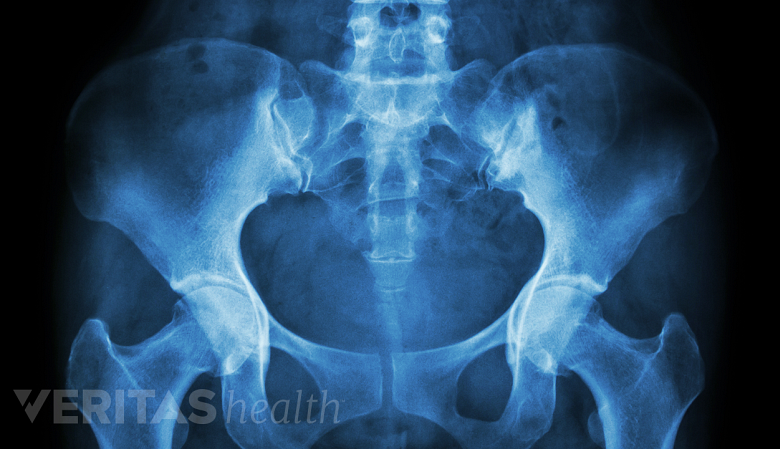
X-rays help diagnose injuries and problems in the bones and joints.
Physiatrists diagnose injuries and problems of the musculoskeletal system by taking a thorough medical history of the patient and performing a complete physical exam. Further diagnostic testing may include laboratory testing, X-rays, MRI scans, electromyography, and nerve conduction studies, as well as possible psychological testing.
Physiatry Treatments
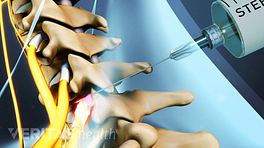
Physiatrists with special training administer injection treatments in the spine.
The treatment offered for pain and injury is a multifaceted approach that may include one or some combination of:
- Medications
- Active physical therapy (exercise), and possibly occupational therapy or recreational therapy
- Passive physical therapy (modalities, such as ultrasound or ice or heat to relieve the pain)
- Health psychology
- Massage therapy
- Assistive devices
- Back braces
Some physiatrists also perform injections designed to relieve pain, such as injections into ligaments, muscles, bursae, and joints. Many perform specialized injections, such as epidural injections or facet joint block injections.
The physiatrist may perform many of the above treatments and usually will coordinate with appropriate specialists as necessary.
Focus on Rehabilitation
A physiatrist is a specialist in rehabilitation, so therapy to rehabilitate the patient is an integral part of most physiatrist's practices. Most are skilled in providing rehabilitation through physical therapy and exercise to help the patient return to and maintain a high level of function in everyday life.
While pain medications, injections, and other techniques may be used to attend to the patient's pain, most physiatrists will use the pain treatments to help bring severe pain under control so that the patient can start to engage in and benefit from rehabilitation.