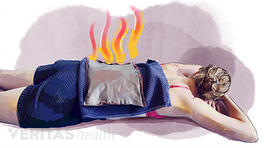
Treatment for fibromyalgia is generally multifaceted, in part because no single medication or approach is likely to address all the symptoms. For example, low-impact exercise, nutritional adjustments, physical therapy, and biofeedback are some typical approaches that can increase daily functioning.

Other forms of care that may also improve function for the fibromyalgia patient include massage-myofascial release therapy, manual manipulation (chiropractic or osteopathic), and/or cranio-sacral therapy. 1 Clar C, Tsertsvadze A, Court R, Hundt GL, Clarke A, Sutcliffe P. Clinical effectiveness of manual therapy for the management of musculoskeletal and non-musculoskeletal conditions: systematic review and update of UK evidence report. Chiropr Man Therap. 2014;22(1):12.
See Chronic Fatigue Syndrome and Myofascial Pain Syndrome vs. Fibromyalgia
In This Article:
- What You Need to Know About Fibromyalgia
- Characteristic Symptoms of Fibromyalgia
- How to Get a Fibromyalgia Diagnosis
- Multi-Specialty Fibromyalgia Treatment
- Medications to Ease Fibromyalgia Symptoms
The goals of fibromyalgia treatment may vary depending on the individual's specific symptoms. For many, finding effective symptom relief is a process of trial and error and may involve both traditional Western medical approaches as well as complementary and lifestyle approaches.
See Rheumatologist's Role in Patient Care
The symptoms of fibromyalgia are often interconnected. Pain may feel worse because the individual is feeling anxious, has slept fitfully, or hasn’t moved around much. Alleviating one symptom can make a major difference in easing overall symptoms.
Easing into Gentle Exercises
Exercise is considered the most effective treatment for relieving symptoms. It improves muscle tone, lowers stress, produces endorphins (the body's natural analgesic), leads to sounder sleep, and helps prevent weight gain.
See Exercise Helps Relieve Fibromyalgia Symptoms
Unfortunately, exercise can be difficult for individuals who are already in pain and experiencing a great deal of fatigue. The key is to start slow, take a day or two off in between exercise sessions at first, and focus on low-impact moves.
See Getting the Sleep You Need With Fibromyalgia
A new exercise program may increase pain at first, but staying with it can pay off eventually in better daily functioning. Aerobic exercise is best, and the near-weightless feeling of water exercises in a warm pool—called water therapy—may be better tolerated than land-based exercises. A physical therapist, physiatrist, or other appropriately trained health professional can develop an individualized, safe program.
See Water Workouts Ease Fibromyalgia Pain
Getting More Restorative Sleep
Sleep problems are one of the most pervasive—and challenging—symptoms of fibromyalgia. Exercising during the day and getting treatment for restless legs syndrome can be helpful first steps.
See Coping with Chronic Pain and Insomnia
These strategies may help pave the way to a better night’s sleep:
- Establish a regular sleep/wake cycle, even on the weekends
- Develop a relaxing ritual before bed
- Stop using electronic devices—from cell phones to television—close to bedtime
- Limit caffeine to the morning and avoid smoking, alcohol, and other drugs that may disrupt sleep
See Therapies for Treating Insomnia
If these efforts do not provide the needed relief, medication or supplements may be helpful in getting the deep, restorative sleep that is often elusive with fibromyalgia. (See Medications to Ease Fibromyalgia Symptoms.)
Relieving Stress
Research has pointed to approaches often referred to as “mind-body” practices that may help with the stress and anxiety common with fibromyalgia.
See Tai Chi and Yoga for Arthritis
These practices can range from individual meditation to working with a therapist to help develop a more positive outlook. 2 Cash E, Salmon P, Weissbecker I, et al. Mindfulness meditation alleviates fibromyalgia symptoms in women: results of a randomized clinical trial. Ann Behav Med. 2015;49(3):319-30.
Improved Nutrition
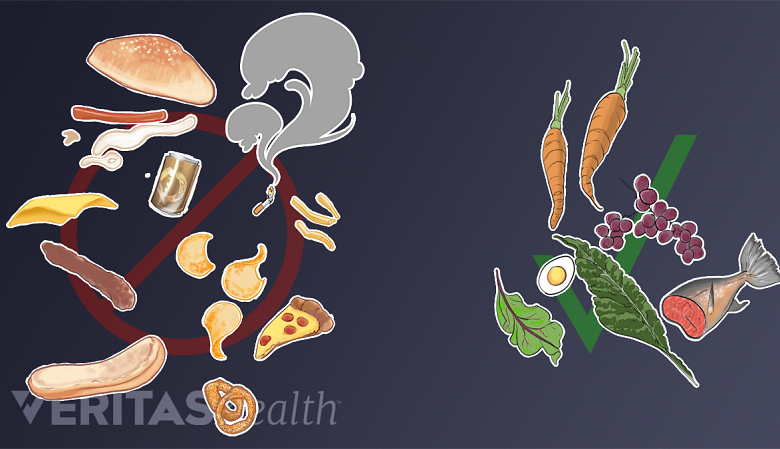
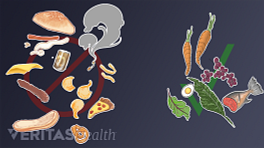
Eating healthy foods, while avoiding those with poor nutrition, can help reduce inflammation.
Food sensitivities are common in individuals with fibromyalgia. Eating a diet high in fruits and vegetables and low in refined foods (such as sugar, pasta, and white bread) can be helpful in reducing symptoms. Lean meats and fish, as well as vegetarian options such as tofu and beans, are generally recommended over red meat. Some small research studies have found benefits from eliminating aspartame, MSG, and gluten from the diet. 3 Rossi A, Di lollo AC, Guzzo MP, et al. Fibromyalgia and nutrition: what news?. Clin Exp Rheumatol. 2015;33(1 Suppl 88):S117-25..
See Food and Fibromyalgia: What to Know
Taking Supplements
Low levels of magnesium are also common in those with fibromyalgia, and some doctors advise supplements of magnesium, either alone or in combination with the medication amitriptyline. Magnesium may also be provided in patch form.
See How to Create a Fibromyalgia-Friendly Diet
Research studies have found use of the supplement Coenzyme Q10, or ubiquinone, can provide some relief of symptoms. 4 Cordero MD, Alcocer-gómez E, De miguel M, et al. Can coenzyme q10 improve clinical and molecular parameters in fibromyalgia?. Antioxid Redox Signal. 2013;19(12):1356-61. , 5 Cordero MD, Cano-garcía FJ, Alcocer-gómez E, De miguel M, Sánchez-alcázar JA. Oxidative stress correlates with headache symptoms in fibromyalgia: coenzyme Q₁₀ effect on clinical improvement. PLoS ONE. 2012;7(4):e35677.
See Ingredients That May Trigger Fibromyalgia Symptoms
The doctor may suggest other supplements. Patients using any treatments on their own, including herbal remedies, should keep the doctor informed to avoid potential interactions or sensitivities.
See Glucosamine and Chondroitin Sulfate Supplements for Osteoarthritis
Using Manual Therapies
Manual therapies include many “hands-on” approaches. Some categories of manual therapies that have evidence of specific help for fibromyalgia include massage-myofascial release, manual manipulation, and cranio-sacral therapy. 1 Clar C, Tsertsvadze A, Court R, Hundt GL, Clarke A, Sutcliffe P. Clinical effectiveness of manual therapy for the management of musculoskeletal and non-musculoskeletal conditions: systematic review and update of UK evidence report. Chiropr Man Therap. 2014;22(1):12.
See Manual Therapies for Arthritis Pain
Massage can be relaxing for anyone, but some researchers have found that massage-myofascial therapy can result in lower levels of anxiety, better functioning, and improved sleep. The stretching involved in this therapy releases tightness and pain in the body in the fascia, the connective tissue below human skin.
One small study involving 59 fibromyalgia patients receiving massage-myofascial release therapy showed a clear improvement in symptoms at 20-weeks but the majority of these improvements were not maintained 6 months later. 6 Castro-sánchez AM, Matarán-peñarrocha GA, Granero-molina J, Aguilera-manrique G, Quesada-rubio JM, Moreno-lorenzo C. Benefits of massage-myofascial release therapy on pain, anxiety, quality of sleep, depression, and quality of life in patients with fibromyalgia. Evid Based Complement Alternat Med. 2011;2011:561753.
Manual manipulation, typically rendered by chiropractors and osteopaths, include the use of a high velocity, low amplitude (HVLA) thrust resulting in a cavitation or “crack” as gas is either released or created from a specific spinal or extremity joint. Another common manual manipulation approach is called “mobilization” where no thrust is used and typically, cavitation is not produced.
See Other Specialists for Arthritis Treatment
Three medium-quality studies report benefits for the fibromyalgia patient but due to small sample size or other research method approaches utilized, limited evidence was reported regarding the benefits of spinal manipulation. 7 Baranowsky J, Klose P, Musial F, et al. Qualitative systemic review of randomized controlled trials on complementary and alternative medicine treatments in fibromyalgia. Rheumatol Int. 2009;30(1):1-21. , 8 Porter NS, Jason LA, Boulton A, Bothne N, Coleman B. Alternative medical interventions used in the treatment and management of myalgic encephalomyelitis/chronic fatigue syndrome and fibromyalgia. J Altern Complement Med. 2010;16(3):235-49. , 9 Terhorst L, Schneider MJ, Kim KH, Goozdich LM, Stilley CS. Complementary and alternative medicine in the treatment of pain in fibromyalgia: a systematic review of randomized controlled trials. J Manipulative Physiol Ther. 2011;34(7):483-96.
Cranio-sacral therapy rendered primarily by chiropractors, osteopaths, and/or massage therapists (with specific cranio-sacral certification) has been found helpful. A study of 92 women with fibromyalgia that involved 20 weeks of care reported significant improvement, but the gains were not maintained after 1 year. 10 Castro-sánchez AM, Matarán-peñarrocha GA, Sánchez-labraca N, Quesada-rubio JM, Granero-molina J, Moreno-lorenzo C. A randomized controlled trial investigating the effects of craniosacral therapy on pain and heart rate variability in fibromyalgia patients. Clin Rehabil. 2011;25(1):25-35.
Based on the research methods utilized and/or small sample sizes, “inconclusive (favorable)” evidence was reported regarding the use of massage-myofascial release, spinal manipulation, and cranio-sacral therapeutic approaches.
See Integrative Arthritis Therapies and Nutrition
Additional Therapies May Help
As noted above, a wide variety of therapies, including acupuncture and hypnosis, have been employed in an effort to alleviate the symptoms of fibromyalgia. While many fibromyalgia patients may respond to one or both of these treatments, the research has not been conclusive.
See Acupuncture and Reiki Healing for Arthritis
The number of fibromyalgia-related symptoms, combined with the tendency of fibromyalgia patients to have various other health issues, makes the condition especially challenging to control. Treatment typically can ameliorate some of the symptoms, but not all.
- 1 Clar C, Tsertsvadze A, Court R, Hundt GL, Clarke A, Sutcliffe P. Clinical effectiveness of manual therapy for the management of musculoskeletal and non-musculoskeletal conditions: systematic review and update of UK evidence report. Chiropr Man Therap. 2014;22(1):12.
- 2 Cash E, Salmon P, Weissbecker I, et al. Mindfulness meditation alleviates fibromyalgia symptoms in women: results of a randomized clinical trial. Ann Behav Med. 2015;49(3):319-30.
- 3 Rossi A, Di lollo AC, Guzzo MP, et al. Fibromyalgia and nutrition: what news?. Clin Exp Rheumatol. 2015;33(1 Suppl 88):S117-25..
- 4 Cordero MD, Alcocer-gómez E, De miguel M, et al. Can coenzyme q10 improve clinical and molecular parameters in fibromyalgia?. Antioxid Redox Signal. 2013;19(12):1356-61.
- 5 Cordero MD, Cano-garcía FJ, Alcocer-gómez E, De miguel M, Sánchez-alcázar JA. Oxidative stress correlates with headache symptoms in fibromyalgia: coenzyme Q₁₀ effect on clinical improvement. PLoS ONE. 2012;7(4):e35677.
- 6 Castro-sánchez AM, Matarán-peñarrocha GA, Granero-molina J, Aguilera-manrique G, Quesada-rubio JM, Moreno-lorenzo C. Benefits of massage-myofascial release therapy on pain, anxiety, quality of sleep, depression, and quality of life in patients with fibromyalgia. Evid Based Complement Alternat Med. 2011;2011:561753.
- 7 Baranowsky J, Klose P, Musial F, et al. Qualitative systemic review of randomized controlled trials on complementary and alternative medicine treatments in fibromyalgia. Rheumatol Int. 2009;30(1):1-21.
- 8 Porter NS, Jason LA, Boulton A, Bothne N, Coleman B. Alternative medical interventions used in the treatment and management of myalgic encephalomyelitis/chronic fatigue syndrome and fibromyalgia. J Altern Complement Med. 2010;16(3):235-49.
- 9 Terhorst L, Schneider MJ, Kim KH, Goozdich LM, Stilley CS. Complementary and alternative medicine in the treatment of pain in fibromyalgia: a systematic review of randomized controlled trials. J Manipulative Physiol Ther. 2011;34(7):483-96.
- 10 Castro-sánchez AM, Matarán-peñarrocha GA, Sánchez-labraca N, Quesada-rubio JM, Granero-molina J, Moreno-lorenzo C. A randomized controlled trial investigating the effects of craniosacral therapy on pain and heart rate variability in fibromyalgia patients. Clin Rehabil. 2011;25(1):25-35.