More Search Tools: Doctors Videos

Back Pain and Neck Pain Blog

6 Overlooked Remedies for Lower Back Pain Relief

March 23, 2012
By: Stephanie Burke


6 Overlooked Remedies for Lower Back Pain Image

If you’re one of the millions of people who suffer from lower back pain, you know that there is often not one surefire treatment that cures the pain. The truth is that managing back pain is often a process of trial and error and you will likely have to try several options to see what works best for you.

Medical approaches usually focus more on addressing the anatomical problem in the lower back. However, treating pain is often more than just treating the anatomical issue and a more full, well-rounded approach often works best.

The following is by no means a comprehensive list of all you can do, but rather some information and tips that you may find useful in adding to your efforts to reduce and influence your lower back pain.

  1. Release Your Inner Endorphins
    Endorphins are the body's natural pain relievers, and they can be as strong as many of the strongest pain relievers. They are chemicals that occur naturally in the body, and when released they help block pain signals from registering with the brain. Endorphins also help alleviate anxiety, stress and depression -- conditions that often turn a chronic back problem into a life problem.

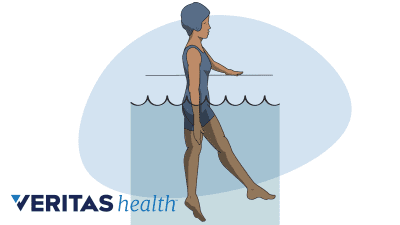
    The body produces endorphins during aerobic exercise. A “runner’s high” is not just for those running long distances -- any activity that gets your blood pumping for a sustained period will release pain relieving endorphins into your system. Try to incorporate any form of exercise that is tolerable into your daily routine - water therapy is usually tolerable for those with severe back pain, or walking if the pain is not too severe. A treadmill has less impact on the lower back than walking on a sidewalk.

    In addition to exercise, other activities can also help release endorphins, such as massage therapy, breathing deeply, meditation and acupuncture.
  2. Get Restorative Sleep
    Of all medical conditions, pain is the number one cause of insomnia. Approximately two-thirds of patients with chronic back pain suffered from sleep disorders. In turn, inadequate will make the back pain worse. The vicious cycle that develops makes it ineffective to treat just one of the problems – both the sleep problems and the pain need to be treated.

    To treat the many forms of sleep problems that accompany chronic lower back pain, many options are available such as medication, relaxation techniques and other behavioral and psychological techniques. Often a combination of approaches will work best.
  3. Exercise Your Abs
    Unlike the major arm and leg muscles, the core muscles of the body, the ab and back muscles, don’t get much use during normal daily activities. However, they play a critical role in supporting the lower back. If they are not actively exercised on a regular basis, more strain will be place on the lower back.

    In retrospect, 58% of people with back pain wished they had done more back strengthening exercises.1

    These exercises are simple and can be performed in 20 to 30 minutes as part of a daily routine.
  4. Soothe the Pain with Ice and Heat
    Many people underestimate the impact of regularly applying forms of cold packs and/or hot packs to help reduce lower back pain and help the healing process.
    • Ice application. Back pain almost always comes with some level of inflammation, and ice is the best natural way to reduce it. Ice also helps by acting as a local anesthetic, and by slowing the nerve impulses, which in turn interrupts the pain-spasm reactions between the nerves in the affected area. Often the back spasms can be the most painful aspect of one’s back condition, so any natural, free, readily available approach to reducing the spasms is a good option. See Ice Massage for Back Pain Relief.
    • Warmth. Heat application has two primary benefits: 1) it helps blood circulate in the affected area of the low back, and blood brings healing nutrients, and 2) it inhibits the pain messages being sent to the brain. Heat can come in many forms, and it’s best to try several to find what works best for you: a hot bath, shower, hot tub, a heating pad or hot water bottle, or a wrap that provides continuous, low level heat. See Benefits of Heat Therapy for Lower Back Pain.
  5. [VIDEO|32817]
  6. Stretch Your Hamstrings Twice Daily
    One of the easiest things you can do to help alleviate lower back pain is to gently stretch your hamstrings twice daily. Tight hamstrings place additional stress across the lower back and sacroiliac joint, leading to more pain. There are a lot of options to stretch the hamstrings, including several gentle options that should not hurt.

    Hamstring stretching should be done at least twice per day. To help remember, it is a good idea to associate the stretches with another activity, such as stretching when you brush your teeth in the morning and evening, or when you first get to work in the morning and before you leave in the evening.
  7. Engage Your Brain
    Pain specialists have long understood that pain is more complicated than just a sensation, like a vision, but rather how the brain interprets and process the pain signals also plays an important role. Read more about this role in Chronic Pain as a Disease: Why Does it Still Hurt?

    The good news here is that you can develop skills for your brain to reduce or ignore the pain signals. Developing expertise in these skills can go a long way to help you have more influence over the pain. Please see Chronic Pain Coping Techniques - Pain Management.

    Bonus Tip: Find Your Smile
    Ongoing pain can wreak havoc on your life, eventually moving from being an isolated problem – just the back pain – to becoming a life problem, affecting your cherished relationships, your finances, your ability to be productive at work and at home, interrupting sleep, or destabilizing your mood. Because these problems so commonly occur along with chronic lower back pain, anything you can do for yourself that is a natural anti-depressant will help. Some people find that even doing just 3 things that are good for you each day, such as enjoying a good cup of coffee, a phone call with an old friend, or a 30 second hug from a loved one.

The topics discussed here are simple ways to help your spine and back stay in alignment and maintain a stronger, healthier you. Even if you are in very bad pain and are undergoing extensive medical treatments, we encourage you to still try to remember the simple things you can do for your back to help it heal and get stronger and healthier over time.

Resources:

  1. "Exercise Therapy: Back-pain sufferers wish they had worked out more", Consumer Reports

Managing Chronic Pain

December 20, 2011
By: Jim Payseur

Chronic Pain

Chronic pain – categorized on this site as a pain that is not relieved within 3 months – is a very difficult condition to deal with. Usually a patient with chronic pain beyond this time threshold will know the issue will not heal on its own and they begin to find how much must be done to allow the spine (and/or surrounding tissue) to heal. Dr. Grant Cooper, a contributing author on Spine-health, was recently featured on Good Morning America to speak about chronic pain and how to manage it. His expertise is in nonsurgical management of back pain and neck pain.

Dr. Cooper’s two main tips for managing chronic back pain are:

    Stay active – our bodies are not just capable of motion, they are designed to move. Dr. Cooper emphasizes that the best exercise is the one you actually do and one you will continue to do. You should try to find something you will enjoy and can make part of a routine, because the most important exercise for your recovery is one that you will continue to do. Some people may prefer daily workouts on an elliptical machine, some may prefer swimming, and others find going for a walk everyday most beneficial.

Article continues below

    Don’t ignore pain – the “no pain, no gain” theory does not necessarily mean you should be pushing yourself to the limit. Exercises are usually begun without pain, and a patient may feel like developing pain during the exercise is okay or normal, but you don’t want to push the muscles (or any other structural component) to failure, especially when your intention is to rehabilitate from chronic pain. While it is true for muscle-building exercise routines the muscles have to be stressed, broken down, and rebuilt to get the result of stronger muscles, when dealing with a spinal issue you should be careful not to push the anatomic components too much and risk further damage to the injured area.

The role of pain management, such as provided by a physiatrist, is often to take away the severe pain to enable the patient to proceed with rehabilitation. The rehabilitation can be slow, but basic precautions and a consistent routine will foster the best possible recovery.

Watch the complete interview:

video platformvideo managementvideo solutionsvideo player

More Resources:

Considering Spine Surgery? What You Need to Know

November 23, 2011
By: Stephanie Burke

The news that you may need spinal surgery can create many emotions -- hope that you may find more pain relief, fear about the procedure and recovery, and confusion about what to do next. One thing you might wonder is what you can do as a patient to make the decision-making process about whether to have spine surgery a productive experience.

Know the Cause of Your Chronic Pain

Identifying the cause of your pain is different from finding out what is anatomically wrong with your back. For example, you may have a herniated disc that shows up on an MRI scan, but if that is not the cause of your pain, then surgery for the herniated disc (usually a microdiscectomy) will not help you find pain relief. You, and your doctors, should be able to articulate the precise pain generator before surgery is even considered. See also Getting an Accurate Back Pain Diagnosis. Many practitioners believe that one of the most common causes of "failed back surgery syndrome" (continued pain after surgery) is an improper diagnosis prior to surgery. See also Failed Back Surgery Syndrome (FBSS).

Get a Referral to a Good Spine Surgeon

Ask your current treating physician to refer one or more good spine surgeons. Because there's no good way to absolutely evaluate and compare surgeon competencies, your physician will likely have to use word of mouth and anecdotal data. However, referring physicians can get a sense of the surgeon's qualifications through knowing whether a surgeon has been fellowship trained in spine surgery, the number of back surgeries performed by the surgeon, and whether spine surgery is a significant part of the surgeon's practice. And don't be afraid to ask your physician: would he or she let the spine surgeon do surgery on one of his or her own family members? See also Getting a Referral to a Spine Surgeon.

Article continues below

Be Well Prepared for Your Medical Consultation

When you're in pain, it can be difficult to describe your situation to the doctor in a complete, concise and accurate manner. Meeting a spine surgeon can also be overwhelming and intimidating. Therefore, researching likely questions ahead of time can help. Be prepared to discuss your medical history (including your family's history), details about your pain and your expectations about the surgery itself and its results.

Evaluate the Referred Spine Surgeon

Prior to the first visit, a patient can start evaluating a particular spine surgeon by going to a spine surgeon's webpage (showing training, areas of specialty, practice philosophy, etc.) and to professional medical associations' websites that list information on spine surgeons who are members. We recommend that you look for surgeons who are board certified or board eligible and that focus on spine medicine (e.g., at least one-third to one-half of the surgeon's practice is devoted to spine medicine).

During the visit, patients will benefit from being prepared to truly interview their prospective spine surgeon. Find out the spine surgeon's own complication rate and success rate for the particular surgery. The surgeon should have data to share with potential new patients. Patients may also ask to speak with other patients who have gone through the same procedure with this surgeon. Other aspects to evaluate are found in Guidelines for Evaluating a Spine Surgeon. If a spine surgeon does not allow questions or acts disdainful of being questioned, consider interviewing another spine surgeon with whom you may be more comfortable. See also Red Flags to Notice When Choosing a Spine Surgeon.

Compare What You Hear with Reliable, Objective Information about Surgery

Comparing the surgeon's opinion and information to that published in reliable sources (such as physician-written, independent, peer reviewed sites on the Internet) can help a patient then determine if the treatment options are reasonable and better understand the advantages and disadvantages of each treatment option. You can compare your surgeon's specific answers with the general overview of the surgical procedure provided in the Back Surgery and Neck Surgery Overview.

Reaffirm Your Decision to Have Spine Surgery -- or Not

The decision about whether or not to undergo back surgery for chronic pain is almost always up to the patient. The spine surgeon should be able to give the patient enough information about the pros and cons of the procedure to help the patient decide. There are many highly effective surgical and non-surgical options to treat a variety of spinal conditions. But only you can decide if the particular procedure, with its scope, healing time, and expected rate of pain relief, and the particular spine surgeon are right for you. See also What to Expect from Spine Surgery for Low Back Pain.

Everyday Ways to Heal

November 16, 2011
By: Stephanie Burke

Ergonomic Chair

To help you manage your back or neck condition, here are several straightforward things you can do to help keep your back and neck healthy and minimize painful episodes.

Sit with Support

Sitting is stressful for your spine, but the right setup can help - make sure your knees are slightly higher than your hips, push your office chair right up to the desk, support your arms with armrests to avoid neck strain, make sure there is support for the inward curve in your lower back…these and other adjustments can help your back feel much better after long periods of sitting. See Office Chair: How to Reduce Back Pain? and Ten Tips for Improving Posture and Ergonomics.

Lift Carefully

One of the most important things for your back is to learn is how to lift properly. This takes more than just bending your knees - you need to keep your chest forward, keep the weight close to your body, lead with your hips (not your shoulders), pivot instead of twist, and more. Some specific techniques, such as a golfer’s lift, can also help in certain situations. See Avoid Back Injury with the Right Lifting Techniques.

Exercise, Exercise!

We say this often, but it bears repeating - the natural stimulus for the healing process is active exercise. Movement keeps the discs, muscles, ligaments and joints in the spine healthy by distributing nutrients into the disc space and soft tissues. For many back conditions, strengthening exercises for the back and abdominal muscles are important to alleviate pain and prevent future painful flare-ups. There are a number of very specific strengthening programs (such as the McKenzie Method and dynamic lumbar stabilization exercises), which are usually best learned with a trained health professional.

Apply Heat Therapy

Using heat therapy on your back can provide both pain relief and healing benefits for many types of lower back pain. In addition, applying a heating pad, heat wrap, warm gel pack, or taking a hot bath feel good and are easy to do on a daily basis. Some people find more pain relief with heat (either moist heat or dry heat) and others with ice. The two therapies may also be alternated. See also Benefits of Heat Therapy for Lower Back Pain.

Engage in Activity

Inactivity can aggravate your back condition by leading to stiffness, weakness, and de-conditioning. If you have a disc problem, significant inactivity deprives the injured disc of essential nutrition and this can lead to further degeneration and pain. Additionally, movement maintains the exchange of fluids in spinal structures, which in turn reduces the swelling that occurs in the tissues surrounding an injured disc. This is important because swelling can further irritate nerves that are already affected by the highly inflammatory herniated disc material and make the pain worse. See also Rehabilitation and Exercise for a Healthy Back.

Stop Smoking

A long-term study has shown that smoking actually leads to lower back pain. The theory is that smoking causes damage to the vascular structures of the discs and joints in the spine, resulting in degenerative spinal disorders and lower back pain. See also Does Smoking Cause Low Back Pain?

The Least You Should Do

If you do nothing else for your back, at the very least stretch your hamstrings twice each day and get about 30 minutes of low-impact aerobic exercise every other day. Avoiding activity because of a painful back can lead to a downward spiral of physical de-conditioning, loss of participating in daily activities, depression, more pain, etc, so it is very important to try to take care of yourself and stay active.

Know Your Options for Degenerative Disc Pain

November 2, 2011
By: Stephanie Burke

Spinal Examination

Age brings many advantages—wisdom, independence and experience. Unfortunately, it can also be pretty tough on our bodies. Spine experts know that by age 40 most people will have some level of disc degeneration, and for some this will become degenerative disc disease, the symptoms of which can range from very mild, to significant, debilitating pain.

If you have been diagnosed with degenerative disc disease, you are probably wondering how effective different treatment options are in providing pain relief, and how to find the treatments that will work best for you.

Exercise is Key to Relieving Pain and Avoiding Surgery

The key to being able to do exercise is the right kind of pain control. Those patients who can achieve this balance—keeping their pain to a manageable level that allows them to pursue an appropriate exercise and stretching routine—will often find that they can satisfactorily manage their pain, continue to function in and enjoy everyday activities, and avoid having major surgery.

  • Pain control. Many people with disc degeneration need to both control pain and reduce the inflammation around the affected disc. Sometimes, simply applying ice or a cold pack can do the trick. In addition, for many using over-the-counter non-steroidal anti-inflammatories such as Aleve or Advil, when coupled with a pain reliever such as Tylenol, can provide significant relief. If pain persists, stronger prescription medications may be considered. Just be sure about appropriate dosage and possible side effects before you start taking any medicine.
  • Exercise. Most people don’t associate exercise with pain relief, but when it comes to degenerative disc disease, exercise is an elixir of sorts. It spurs blood flow and builds the supporting structures around the affected disc so that the impact of degeneration is lessened. Remaining flexible through stretching, particularly the hamstrings muscles and hip flexors, will also help. Improving muscle support through strength and resistance exercises, and maintaining heart health and a healthy weight through cardio exercise are all components of a pain relief plan.

For more information, see Degenerative Disc Disease Treatment for Low Back Pain.

Make Everyday Lifestyle Changes

While it may seem obvious, it bears repeating that even subtle, everyday changes can add up to significant pain relief, and cost little in terms of time or money.

  • Modify or stop activities that hurt the back. It may be hard to give up the Saturday basketball game or scale back on golf, but doing both will minimize twisting the back. The same goes for lifting large or heavy objects. Getting help to move items, or being sure to lift with the legs and move your feet to place items (as opposed to twisting around) won’t strain an already unstable area. In general, avoid or minimize any activities that make your back feel worse.
  • Use tools to support your back. In the past few years, many companies have designed ergonomic chairs, mattresses and car seat attachments that are geared toward helping those with back pain achieve better alignment and posture, thus relieving pain. A little research may help you find a tool that works for you.

For more on ergonomics, see Office Chair: How to Reduce Back Pain?

Consider Surgery if you Fail the “Every Day” Test

No one looks forward to surgery, but sometimes it is the right treatment. A key question to ask yourself (expect your doctor to ask you too) is: are you making concessions in how you do - or whether you do - everyday activities because of the pain? The ability to do such everyday tasks as shopping for groceries and putting them away, picking up children, or driving to or sitting comfortably at work significantly impact an individual’s quality of life. Not being able to do them may mean that it’s time to consider surgery as a treatment option. For more considerations, see Deciding on Surgery for Degenerative Disc Disease.

Choose the Right Surgeon

Developing a short check list that includes dimensions that are important to you may help you narrow down your choices. Some characteristics to evaluate:

  • Experience. History has shown that the best surgical outcomes are directly correlated with a surgeon’s experience with a particular procedure, so it is generally advisable to find a surgeon who concentrates in spine surgery (rather than neurological or general orthopedic surgeries, for example), and with fusion in particular. At this point very few surgeons are experienced with artificial disc replacement, but a few are. If your symptoms indicate that an artificial disc may work and you are considering it, the same rule of thumb holds true: select a surgeon with solid experience and a history of good outcomes.
  • Results and complications. You could ask for recent references, and also ask how many patients have undergone revision surgery because the initial procedure did not produce the results expected. A reputable surgeon will not feel insulted if you ask these types of questions about their surgical results—you are making an important decision, and you need all the information you can get.
  • Communication and bedside manner. Good communication is critical, and it should be a two-way street. Can you talk with your doctor openly and get straightforward, understandable answers? What can you expect in terms of post-operative meetings with the doctor or colleagues in the same practice?

Some may find that the best ways to understand surgery is to talk to more than one surgeon and to become educated on the surgery – and the fact that you’re visiting Spine-health.com is a good first step. For more on this topic, read Guidelines for Evaluating a Spine Surgeon.

Exercise for Better Back Health

October 14, 2011
By: Stephanie Burke

Exercise for Better Back Health

There is a wide range of back problems - from simple back strain to serious injury - but the one thing almost all of them have in common is that part of the cure involves exercise and fitness. A good exercise routine is important on an ongoing basis to reduce the chances of recurring pain. The good news is that there is such a variety of exercise and fitness options that everyone should be able to find something that is enjoyable and effective.

Exercise Helps an Injury Heal

We can’t say this enough—the natural stimulus for the healing process is active exercise, done in a controlled, gradual and progressive manner. Movement distributes nutrients into the disc space and soft tissues in the spine to keep the discs, muscles, ligaments and joints healthy. And the converse is true too - lack of exercise can worsen your pain by leading to stiffness, weakness and de-conditioning. Regular stretching exercise is also important for healing. Daily hamstring stretching is recommended, as tight hamstring muscles increase the stress on your lower back. See also Rehabilitation and Exercise for a Healthy Back.

Strong Abdominal Muscles Reduce Stress on the Spine

Most people don’t know this, but strong abdominal muscles play an important role in avoiding and/or recovering from back problems. The intricate network of muscles and ligaments that connect to the spinal column provide important support, strength and stability for the spine, and well-conditioned abdominal muscles decrease stress on the structures of the spine. And unlike muscles in the legs and arms, which get some exercise just from everyday activities, the abdominal muscles don’t get much of a workout from daily movements and need specific exercises to stay strong (and the same holds true for lower back muscles). See also Back Exercises and Abdominal Exercise Recommendations.

Walking Provides Gentle Exercise for Your Back

Exercise walking has many benefits - it helps build strength in muscle groups that hold your body upright, brings nutrients to the spinal structures, improves flexibility and increases the production of pain-fighting endorphins. If you have ongoing back pain, balanced and stable walking enhances your ability to continue doing everyday activities, while reducing the likelihood and/or severity of additional episodes of back pain. Walking is low-impact exercise which allows the muscles to be worked without causing much stress or impact on the spine. Exercise walking involves keeping a brisk pace, good form and going for about 30 minutes (around 2 miles) 3 or 4 times a week. See also Exercise Walking for Better Back Health.

Water Therapy Exercise is Even Gentler

Exercises that would normally be too painful to do on land (such as walking) are often tolerable to do in the water. This is because the water counteracts gravity and helps to support your weight in a controlled fashion. The water also provides friction against movement, allowing strengthening and conditioning, while reducing the risk of further injury from losing your balance. The support provided by water can be very helpful for anyone who is overweight, as the effect of buoyancy essentially negates the extra body weight, allowing free movement in the water. It is also quite effective for anyone with a painful joint condition, such as osteoarthritis. See also Water Therapy Exercise Program.

Some Forms of Exercise are Quite Soothing

For some people, additional benefits can be enjoyed from calm and quiet forms of exercise. For example, yoga involves a lot of gentle stretching, which increases blood flow, allowing nutrients to flow in, toxins to flow out, and providing overall nourishment of the muscles and soft tissues in the lower back. Tai Chi involves a lot of movement, but only slow, gentle, flowing movements of the body; it does not involve any jarring motions that create impact on the spine. Both yoga and Tai Chi also incorporate meditative techniques that can help ease stress and anxiety, which many people feel plays an important part in easing their back pain. See also Healing Benefits of Yoga and Tai Chi for Posture and Back Pain.

Depending on your specific diagnosis and level of pain, your rehabilitation exercise program will be very different, so it is important to see a spine specialist who is trained to develop an individualized exercise program and instruct you on correct form and technique. If you haven’t had a good experience with exercise before, we encourage you to try again—perhaps try a new instructor or a new form of exercise—because as a general rule, people who exercise regularly simply have less pain than those who do not exercise.

Practical Tips for Cooling Back Pain

First Aid for Your Back

October 5, 2011
By: Stephanie Burke

Your back pain doesn't take a vacation just because it's summer time. There are a number of back pain relief remedies that you can easily incorporate into your summer routine to help manage your pain (and some of the heat). Learn about a number of relatively simple back pain relief tips.

Cool it--with Ice

Even with all the high tech medical options available, a simple ice application can still be one of the more effective, proven methods to treat a sore back or neck. Ice is typically most effective if it is applied soon after an injury occurs, or after any activity that causes pain or stiffness. Ice can also be very helpful in alleviating postoperative pain and discomfort. While any form of applying cold to the injured area - such as a bag of ice wrapped in a towel or a commercial ice pack - should be helpful, combining massage therapy with ice application is a nice alternative for pain relief. See also Ice Massage for Back Pain Relief.

Heat Therapy May Feel Good Too

While the overall qualities of warmth and heat have long been associated with comfort and relaxation, heat therapy goes a step further and can provide both pain relief and healing benefits for many types of lower back pain. In addition, heat therapy - such as heating pads, heat wraps, hot baths, warm gel packs, etc. - is both inexpensive and easy to do. Some patients find more pain relief with heat (either moist heat or dry heat) and others with ice. The two therapies may also be alternated, which may make heat therapy more tolerable when it's hot outside. See also Benefits of Heat Therapy for Lower Back Pain.

Take Advantage of Warm Muscles

If you have tight hamstring muscles (the large muscles in the back of your thighs), the motion in your pelvis may be limited, which can increase stress across your lower back. To decrease this stress it is a good idea to incorporate hamstring stretching exercises into your daily routine. Hamstring stretching should typically include applying even pressure to lengthen the hamstring muscle for 30 to 45 seconds at a time, one to two times each day. There are a number of different ways to stretch your hamstrings, and if you have a back condition you may want to check with your doctor or physical therapist to discuss which position will work best for you. Warmer outside temperatures may contribute to an easier muscle warm-up and staying loose a little longer than in cold weather. See also Exercise and Back Pain.

Work Out in the Pool

While it sometimes may not seem like it, there are a number of soothing, rewarding therapies available to treat back pain. One such treatment option is water therapy (also called pool therapy, hydrotherapy, or aquatic therapy). In addition to the physical therapy benefits, water therapy has the added benefits of relaxation and sensory alterations due to water temperature and hydrostatic pressure. It also unweights the joints of the spine and allows for further range of motion. See also Water Therapy Exercise Program.

Resist the Urge to Sleep in

People with chronic back pain often experience trouble falling asleep or staying asleep. Establishing a consistent sleep-wake pattern is one of the ways to help alleviate a sleeping problem. With longer days and perhaps children home on summer break, it may be tempting for an individual with back pain to stay up later and sleep in. However, not only does this behavior risk causing insomnia, the potential for more bed rest (versus more activity/exercise) is usually not recommended for most people with back problems--and both insomnia and too much bed rest can exacerbate back or neck pain. Learn more in Practicing Good Sleep Hygiene.

First Aid for Your Back

First Aid for Your Back

August 10, 2011
By: Stephanie Burke

Even if the pain is severe, episodes of back pain—and pain from ongoing back conditions—can be somewhat relieved with some first aid methods you can do at home. After an injury, resting for a day or two can give your back a chance to recover and start to heal on its own. In addition, some combination of the following treatments is usually recommended to help alleviate or at least manage the pain.

Pain Medication

Two main types of medications can be very helpful for relieving many types of back pain - acetaminophen and non-steroidal anti-inflammatory drugs (NSAID's).

  • Acetaminophen (such as Tylenol) works by blocking the brain's perception of pain. It can be very effective, and has little chance of any side effects. Patients with liver disease must check with their doctor before taking acetaminophen.
  • NSAIDs work by limiting inflammation, which is often at least partially responsible for back pain. There are different types of NSAID's, including ibuprofen (such as Advil, Motrin or Nuprin), naproxen (such as Aleve or Naprosyn), and the newest class, COX-2 inhibitors, (such as Celebrex). This last type requires a prescription and is easier on the stomach lining than other NSAID’s. Patients with kidney problems, over 65, or with any history of stomach ulcer should check with their doctor before using NSAID's.

Because acetaminophen and NSAID's work differently, they can be used together, and some patients find that they are more effective that way. See also Medications for Back Pain and Neck Pain.

Ice Therapy

Muscle strain is a major cause of back pain. Placing an ice pack on the area shortly after the occurrence of pain (within 48 hours) can help in the following ways:

  • Reduces inflammation, which often contributes to the pain
  • Numbs the sore tissues, acting as an anesthetic
  • Slows the nerve impulses, interrupting pain signals to the brain
  • Decreases tissue damage
  • Aids in natural healing by rushing blood and nutrients to the affected area when the ice is removed.

See also Ice Massage for Back Pain Relief.

Heat Therapy

Heat is also good for sore back muscles, especially after the first 48 hours has passed. Either dry heat (such as an electric heating pad) or moist heat (such as a hot bath or steamed towels) can be used to provide the following benefits:

  • Enlarges the blood vessels, increasing the flow of oxygen and nutrients to the injured area
  • Stimulates the sensory receptors in the skin, which reduces the number of pain signals that are sent to the brain
  • Helps the tissues around the spine stretch more easily. This reduces stiffness, and gives the back better flexibility, which is important for a healthy back.

Both heat and ice must be applied carefully to avoid further injury. See also Benefits of Heat Therapy for Lower Back Pain.

Stretching and Exercise

The methods described above will hopefully reduce your pain enough to be able to do some physical therapy and exercise, which is essential for long term recovery.

  • Stretching should include the muscles, ligaments and tendons in the back and around the spine, as well as your hamstring muscles (in the back of the thighs). For patients with chronic back pain, it may take weeks of stretching to get results, but the increased amount of motion gained can provide noticeable and long-term relief. To be most helpful, stretching exercises should be done twice a day. A good way to remember to stretch is to work it into your daily routine, such as stretching when you brush your teeth in the morning and evening. See also Exercise and Back Pain.
  • Regular exercise must be taken on slowly so that you don't make your pain worse or re-injure your back. Exercising your back increases the distribution of nutrients, which helps you recover from injury more quickly, and makes your back healthier overall. It also reduces stiffness and strengthens muscles, preventing future injury and pain. Back and abdominal muscles need to be strong enough to provide support for the spine and its surrounding structures. See also Exercise and Fitness to Help Your Back.

Mindful Techniques for Chronic Back Pain

For patients with ongoing pain, some measure of relief can often be gained by focusing your mind on something other than the pain. Learning some relaxation and distraction techniques can make your brain pay less attention to the pain signals, which can make you feel better. This may sound like hocus pocus, but many patients who have tried a variety of chronic pain management techniques say that this is the most helpful - and say they like it because it puts them in control of their own state of being. See also Chronic Pain Coping Techniques - Pain Management.

If the pain is severe and/or lasts more than a couple of weeks, it is usually advisable to see a health care professional - either your primary care physician, chiropractor, or another type of spine specialist. We believe that it’s the combination of treatment from an experienced, well-qualified spine care professional and your own initiative that gives you the best chance for successfully managing your back condition.

Non-Medical Care Alternatives for Back Pain

August 4, 2011
By: Stephanie Burke

Non-Medical Care Alternatives for Back Pain

Many people are looking for information on non-medical treatment alternatives, so we did some research and have included information on Spine-health.com that includes a number of alternative health options for people trying to manage their back condition. Please note that many people find that the greatest benefits come from combining medical options (such as back pain medications, injections, spine surgery, etc) along with alternative health care options like yoga or Pilates.

Here are just a few alternative options that you might want to consider:

Acupuncture has Pain-Relieving Qualities

In 1998, the National Institutes of Health (NIH) released a statement that said there is enough evidence to demonstrate that acupuncture had beneficial pain-relieving qualities that might be useful as a treatment for lower back pain and for a number of other painful conditions. The mechanisms of acupuncture, though not solidly proven, seem to stimulate the central nervous system - the brain and spinal cord - and it is thought that acupuncture causes specific chemicals to be released into the body that physically and psychologically affect pain. See also Acupuncture: An Ancient Treatment for a Current Problem.

Yoga Ensures Flexibility

Most people know that yoga involves a lot of stretching. But what they don't know is how important regular stretching is to alleviate many forms of lower back pain. For example, stretching the hamstring muscles (in the back of the thigh) helps expand the motion in the pelvis, which decreases stress across the lower back. Stretching with yoga also increases blood flow, allowing nutrients to flow in, toxins to flow out, and providing overall nourishment of the muscles and soft tissues in the lower back. See also Healing Benefits of Yoga.

Tai Chi is a Very Gentle Form of Exercise

Unlike other forms of exercise such as yoga, Tai Chi involves a greater degree of movement. And unlike many types of aerobic exercise (such as running) Tai Chi does not involve any jarring motions that create impact on the spine. It is a slow, deliberate, and gentle flowing movement of the body. Importantly, because Tai Chi is gentle on the spine, many people with back pain find it easier to tolerate than many other forms of exercise. See also Tai Chi for Posture and Back Pain.

Pilates Exercise Helps Support the Spine

Pilates is an exercise program that focuses on the core postural muscles that are essential to providing support for the spine and helping alleviate back pain. Learning awareness of neutral alignment of the spine and strengthening the deep postural muscles that support this alignment are important skills for the back pain patient. Patients with pain stemming from excessive movement and degeneration of the intervertebral discs and joints (e.g. degenerative disc disease) are particularly likely to benefit from a Pilates exercise program. See also Pilates Exercise System to Promote Back Health.

Massage Therapy is Relaxing and Aids Healing

Research shows that massage therapy provides several important health benefits for people with back pain, including: helping sore back muscles heal by improving blood circulation, relaxing the muscles and improving range of motion, and helping manage chronic pain by increasing the level of endorphins in the body. Neuromuscular therapy is recognized by The American Academy of Pain Management as an effective treatment for back pain caused by soft tissue injury (such as muscle strain). See also Massage Therapy for Lower Back Pain.

Side Effects for Human Bone Morphogenetic Protein Use

August 1, 2011
By: Jim Payseur

Is My Pain Sciatica or Something Else?

After increasing reports of complications using bone morphogenetic proteins (BMPs), The Spine Journal reviewed all of the past publications regarding BMPs. They found there may be a higher incidence of side effects or adverse effects than previously published research suggests. The specific complications that are drawing the most concern include swelling in the neck and throat, radiating leg pain, and male sterility.

Most of these complications occur if the BMP – specifically rhBMP-2 - causes swelling at the surgical site, which then affects surrounding tissues and organs. Some of the complications include:

  • Complications to the throat following cervical spinal fusion with BMPs. Some of the cases blocked the patient's airway and were fatal.
  • Complications of male infertility due to retrograde ejaculation following a lumbar fusion using BMPs, which is defined here: Potential Risks and Complications with ALIF Surgery.
  • Other complications involved cases of infection, dislodgement of the implant, radiculitis, poorer outcomes from the surgery, among others.

The Spine Journal's review concludes that the scope and severity of potential risks and complications associated with using rhBMP-2 are significantly greater than had been originally reported from the clinical trials.

The FDA only recommends the use of BMPs for lumbar surgery using the anterior approach. Surgeons, however, may use the product for other "off-label" uses, including surgery with other approaches or on other sections of the spine.

Read more from these sources:

The Spine Journal - BMP Abstract
FDA Guidelines for BMPs.

About This Blog

Weighing in on news and current events related to back pain and chronic pain.