Causes and risk factors for lumbar degenerative disc disease include aging, genetics, and lifestyle choices like smoking and inactivity.
Please see the index below for a list of all our articles on Degenerative Disc Disease.
If you are new to the subject, we recommend starting with: What Is Degenerative Disc Disease?
Causes and risk factors for lumbar degenerative disc disease include aging, genetics, and lifestyle choices like smoking and inactivity.
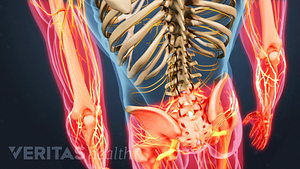
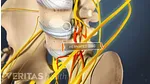
Pain associated with degenerative disc disease is generally thought to stem from two different factors: inflammation and abnormal micromotion instability.
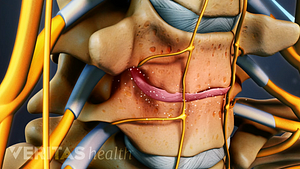
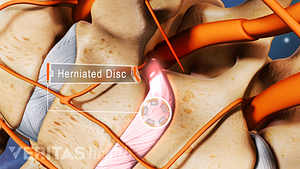
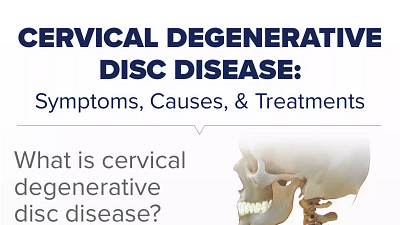
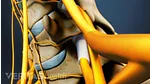
Cervical degenerative disc disease symptoms: neck and arm pain. Diagnosis involves imaging and physical exams.
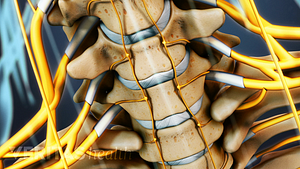
Treatment options for cervical degenerative disc disease include physical therapy, medication, and surgery in severe cases.
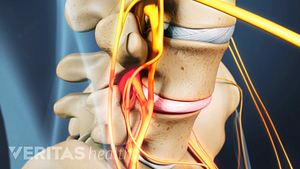
Several symptoms and risk factors are fairly common and consistent for patients suffering lower back pain or neck pain due to degenerative disc disease.
Control degenerative disc disease pain with exercise, medications, and lifestyle adjustments for improved quality of life.
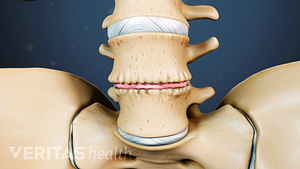
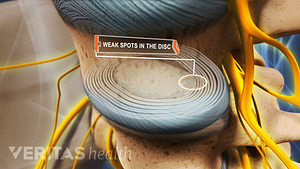
Over time, degenerative disc disease progresses with disc dehydration, reduced height, and increased symptoms like pain and weakness.
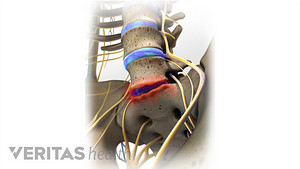
Low back pain from degenerative disc disease is treated with physical therapy, meds, and lifestyle changes.