
Subscribe to our newsletter and get your FREE guide,
Natural Back Pain Relief: 16 Choices for Lasting Comfort.
Failed back surgery syndrome (FBSS) is a generalized term that is often used to describe the condition where lower back pain persists or appears after spine surgery. The pain may start immediately after surgery or a few weeks or months following the surgery.
FBSS may also be called failed back syndrome or postsurgical spine syndrome.
In This Article:
- Failed Back Surgery Syndrome (FBSS): What It Is and How to Avoid Pain after Surgery
- Failed Spinal Fusion Surgery
- Failed Lumbar Decompression Back Surgery
- Scar Tissue and Pain After Back Surgery
- Treatment Options for Pain After Back Surgery
Predictability of Pain after Back Surgery
Research suggests that as the complexity of a spinal surgery increases, the risk of FBSS also increases. For example, a complex surgery like lumbar spinal fusion has a higher risk of failed back syndrome (30% to 46%) compared to a simpler procedure like microdiscectomy (19% to 25%).

Back pain after surgery may be treated with a revision surgery in some cases.
Further, the success rates of revision surgeries also decrease with the number of returns:
- Up to 50% of spinal surgeries may be successful when performed for the first time
- Up to 30% of spinal surgeries may be successful when performed for the second time
- Up to 15% of spinal surgeries may be successful when performed for the third time
- Up to 5% of spinal surgeries may be successful when performed for the fourth time
For this reason, repeat surgeries may not always be the best option to treat FBSS. Doctors usually try several combinations of nonsurgical treatments for an extended period of time to manage FBSS.
Symptoms of Failed Back Syndrome
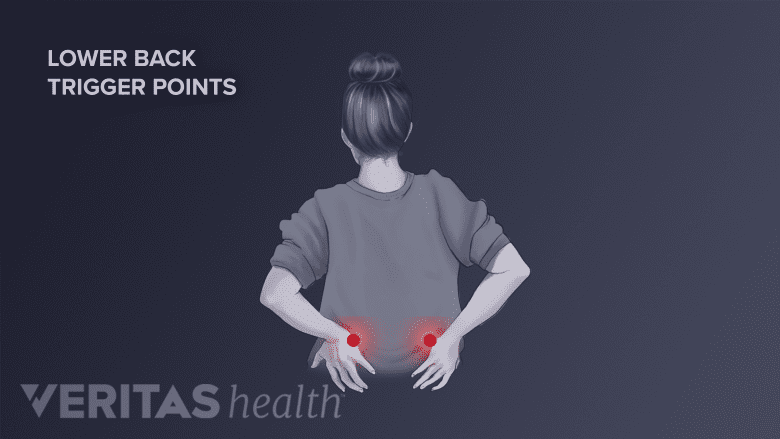
FBSS pain may be limited to the lower back or radiate into the leg.
The symptoms of failed back syndrome may appear immediately after surgery or develop after a few weeks, months, or years.
- Some patients may feel better immediately after surgery, and the pain may gradually develop after a few weeks.
- The pain may be localized to the back or leg or may occur in both areas. The pain may be similar to the pre-surgical pain or may feel different.
- Compression of the L5 nerve root in the lower back causing foot drop is common in FBSS.
- Some patients may feel the same or worse immediately following the surgery.
Other motor and sensory symptoms such as numbness and weakness may also recur or develop as new symptoms.
advertisement
Causes and Risk Factors of Failed Back Syndrome
The potential risk factors for failed back surgery syndrome can be divided into pre-surgical, surgical, and post-surgical risks.
Pre-surgical risk factors associated with failed back surgery syndrome

Some herniated discs may recur over time, causing back and leg pain.
The following factors, if present before the surgery, have a risk of contributing to the development of failed back syndrome:
- Psychological issues, such as anxiety and depression
- Chronic habits that affect general health and delay healing, such as smoking
- Pre-existing medical conditions, such as obesity
- Multiple prior back surgeries
- Specific lower back diagnoses, such as spinal stenosis, lumbar disc herniation, and fibrosis, which have a higher chance of recurring or occurring at other levels over time
- An inappropriate surgical candidate (when there is no specific known/attributable cause of pain)
Research suggests that patients with psychological issues are at the highest risk of developing failed back surgery syndrome. A survey of 78 patients with failed back surgery syndrome found that 67 of the 78 patients had pre-existing depression.
Surgical risk factors associated with failed back surgery syndrome

Surgically treating more than one spinal level may cause the back pain to recur.
Choosing an inappropriate surgical technique for the spinal condition may result in continued pain after surgery. Additionally, surgically treating one spinal level when the pain actually originates from several levels may also result in failed back surgery syndrome.
Post-surgical risk factors associated with failed back surgery syndrome

Stresses from the surgically treated level may affect other surrounding joints, causing pain.
Post-surgical causes of FBSS include progressive degeneration of the spine, new spinal conditions, and increased stress and trauma to the levels adjacent to the treated spinal level(s).
- Surgery may aggravate the existing symptoms or induce new changes in the spinal tissues that lead to instability of the treated or adjacent segments.
- A failed bony fusion (pseudoarthrosis) and/or implant failure can result in continued pain, loss of function, and/or the development of new symptoms.
- Mobile spinal levels surrounding a spinal fusion experience additional stresses when motion is restricted across the fusion. This additional stress is felt to contribute to a higher incidence of degeneration of adjacent segments, also called adjacent segment disease, which could result in pain and other symptoms. The stress seen by an adjacent level and the risk of adjacent segment disease is typically higher with multilevel spinal fusion.
Not following activity restrictions as instructed after surgery can also affect the healing of the surgical site and may cause back pain to develop after surgery.
advertisement
How to Minimize the Probability of FBSS

Determining a clear cause of back pain through diagnostic tests is crucial before surgery.
Minimizing the likelihood of FBSS is multifactorial and involves the surgeon, patient, and the rehabilitation team. The risk of FBSS may be minimized by:
- Determining a clear cause of the patient's back pain through diagnostic tests before the surgery
- Ensuring that the diagnostic findings match the related symptoms
- Recognizing patients who are at a higher risk of developing FBSS and trying to address the risk factors before surgery
- Formulating a surgical approach that effectively targets the cause
- Educating the patient on activity restrictions and the importance of physical therapy and exercise during the recovery
For patients who need revision surgery to manage FBSS, it is advisable to try several nonsurgical therapies and treatments before deciding on revision surgery.

advertisement