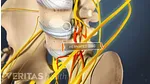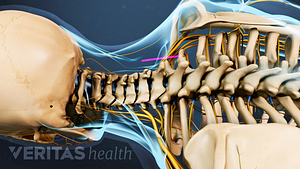
Anterior cervical corpectomy is used when the removal of the vertebral body and the disc spaces is needed to completely decompress the cervical spinal canal.
Please see the index below for a list of all our articles on Back Surgery.
Anterior cervical corpectomy is used when the removal of the vertebral body and the disc spaces is needed to completely decompress the cervical spinal canal.
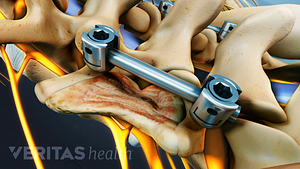
Artificial disc replacement and lumbar spinal fusion are two surgical options for many patients with unremitting low back pain that has not gotten better with non-surgical treatments.
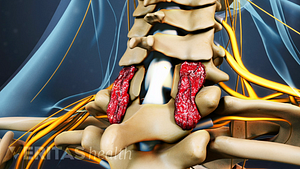
The primary purpose of back surgery is to correct an anatomical lesion in individuals who fail to show improvement with conservative (nonsurgical) treatment.
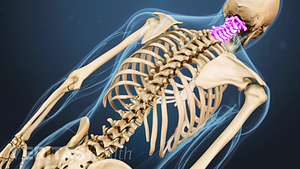
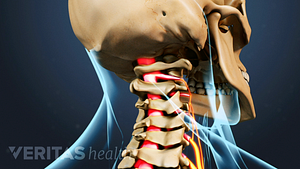
Cervical spine surgeries, which can be open or minimally invasive, are done to remove bone spurs or herniated discs and to create additional space for nerve tissue.
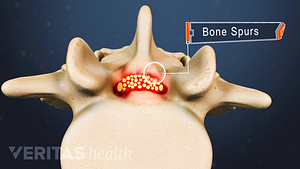
Considerations for lumbar laminectomy in spinal stenosis treatment include patient health, risks, and expected benefits.
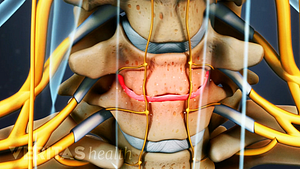
Deciding on cervical degenerative disc disease surgery requires careful consideration of symptoms and risks.
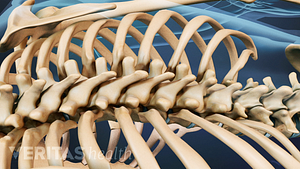
Learn about the causes, symptoms, and treatment options of failed back surgery syndrome, and discover effective strategies to prevent post-surgical pain.
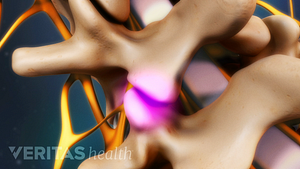
Uncover the common reasons behind failed lumbar decompression back surgery, including factors like misdiagnosis and wrong-site or wrong-procedure surgery.

After back surgery there are several lifestyle habits that will aid in the recovery process, such as avoiding smoking, getting enough continuous sleep, and eating nutritious food.