March Madness, April Showers: 'Spring' into a Healthy Season
March 16, 2011
By: Stephanie Burke

The new season brings more chances to get outdoors and ramp up physical activity. After the winter chill it's just nice to go for a walk without having to navigate snow banks, salt or sleet. Everyone can benefit from taking advantage of the more healthful opportunities afforded, but the trick is not to overdo it. Getting your body used to a more active lifestyle takes some conditioning and common sense. Keep these tips in mind when you head out the door.
Heat Therapy Soothes Muscles Before and After Exercise
Most people know that a heating pad or warm bath after a workout or slight injury can make a significant difference in terms of pain reduction and comfort. What is not so well known is that heat can play a preventative role, too.
- Applying heat before a workout session can minimize muscle strain. A recent study compared pain felt by exercisers who applied a heat wrap to their lower back before their workout session with those who did not. That treatment group rated their post-exercise pain as about 50% less intense as the group that only did stretching. Using commercial heat wrap products available in drugstores may be able to keep you comfortable and get you back to action sooner.
- Heat therapy calms muscles and prevents cramping. After a workout, muscles and joints are potentially dehydrated and, because they are attenuated (weakened), not as stable as when they have been resting. Applying a heating pad or wrap for 10 minutes or so while seated or lying down after a workout session or strenuous activity like spring cleaning can help muscles calm down and return to their normal state without seizing up.
Read about preventative heat therapy in Heat Wrap Therapy Can Reduce Post-Exercise Low Back Pain.
Stretch-and Stretch Again-To Release Stiff Joints and Prevent Injury
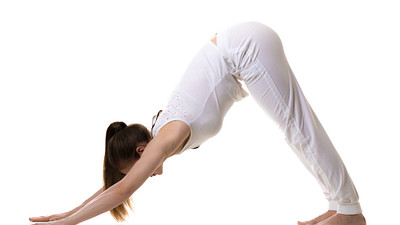
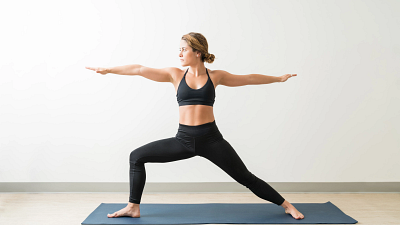
Whether it's golf, tennis, gardening or just walking, stretching is one way to keep you in action longer. Similar to heat therapy, a stretching session of five minutes both before and after physical activity can pay big dividends by keeping you healthy and preserving your motivation to stay active.
- Focus on the big muscles first. The quadriceps and hamstrings in your thighs are generally the largest muscles of the body and deserve special attention. That means stretching the back, front and inner and outer thigh. It may seem a bit much, but you can't really move without them so it's worth the effort, particularly because they play a key supporting role for your back.
- Stretch the whole body. One approach to stretching is to concentrate on these muscles first, and then work up through the back, arms and neck, and then down through the calf and ankle.
See Hamstring Stretches for a guide to treating this muscle well, and Sports Injuries and Back Pain for additional stretching tips.
Don't Shortchange Your Sleep
It can be difficult to adjust to the longer days and summer hours in spring, particularly with abrupt daylight savings adjustments. Sleep deprivation and insomnia are major causes of on-the-job injury, as well as other health problems since a tired body is a weakened body. How to get the shut-eye you need?
- Have a sleep routine. Your body responds to routine on both conscious and unconscious levels. Going to bed at the same time, for instance, and only using the bedroom at nighttime can help switch your mindset into 'sleep mode'.
- Make food and drink work for, not against, sleep. Sometimes it seems like there is a coffee shop on every corner; caffeine has even been injected into bottled water. Moderation is the byword, and most doctors recommend eliminating caffeinated drinks after lunch, assuming you turn in around 10 p.m. Java in the morning is OK, coffee in the evening and you may be in for a long night of counting sheep.
For more on sleep, consider these 11 Unconventional Sleep Tips.
Move Away From Your Desk, Couch, Car or Gardening Stool
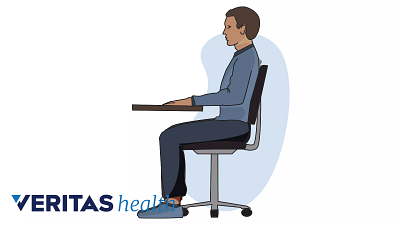
It's all too easy to focus on a task, only to look up and realize that you have been in essentially the same position for two hours. Your neck, your back, your arms . . . they all ache. Sitting too long in one position slows down blood flow, to both appendages and your brain, so move them, because they are designed to move.
- Set a reminder to move every 20-30 minutes. Use your cell phone or watch to set an alarm. That will be your signal to get up and walk around the house or office, or fold a load of laundry or take out the trash. It doesn't matter what you do really, only that you change position and use the major limbs in a different way.
- Do stretches at your table or in your cube. Maybe you don't have the luxury of taking a little walk. No matter; simply standing up and reaching hands over your head and then trying to touch your toes may be enough to activate the blood flow.
See Easy Exercise Program for Low Back Pain Relief for more ideas about stretches and Office Chair Advice for tips on equipping your office for comfort.