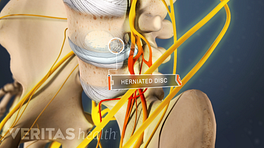
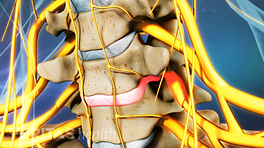
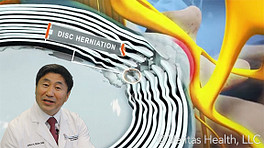
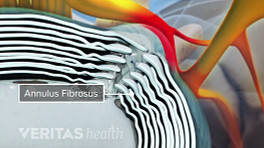
The diagnostic processes for both degenerative disc disease and a herniated disc include a range of methods that confirm the disc as the pain source, as well as the mechanics and anatomy behind how pain is occurring.
See Understanding the Clinical Diagnosis of a Herniated Disc
In This Article:
Review of Medical History and Specific Symptoms

A thorough medical history is an important step in the diagnostic process.
The diagnostic process typically begins with a collected medical history and a review of current symptoms. A complete review of symptoms will include:
- The location of the pain, including whether it is confined to the neck or back, or whether it includes arm or leg pain
- A description of how the pain feels, such as searing, sharp, or stabbing vs. dull or achy
- Whether certain activities, positions, or treatments make the pain feel better or worse
See Typical Symptoms of a Herniated Disc and Common Symptoms of Degenerative Disc Disease
Collecting a full medical background can rule out or identify other possible conditions that may cause pain. A medical history may include information on recurring health problems, previous diagnoses, and past treatments and their effectiveness. Information on sleep, dietary, and exercise habits is usually also collected.
Physical Examination
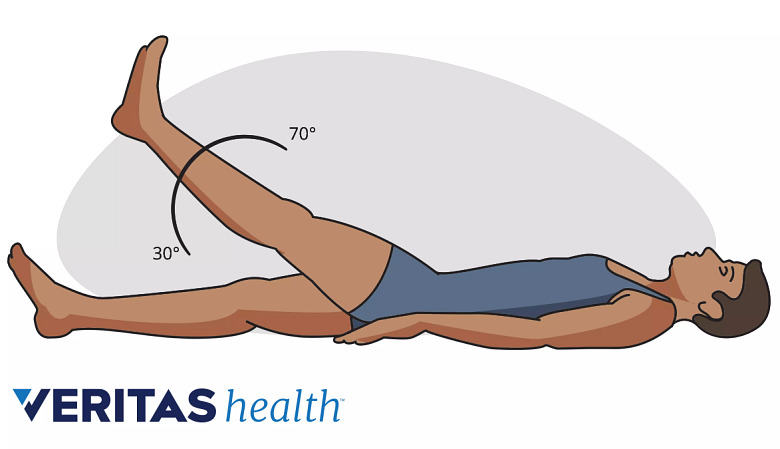
Pain encountered during the straight leg raise may indicate a lumbar herniated disc.
A physical exam for diagnosing disc pain may include one or more of the following tests:
- Palpation. Palpating (feeling by hand) certain structures can help identify the pain source. For example, worsened pain when pressure is applied to the spine may indicate sensitivity caused by a damaged disc.
- Movement tests. Tests that assess the spine’s range of motion may include bending the neck or torso forward, backward, or to the side. Additionally, if raising one leg in front of the body worsens leg pain, it can indicate a lumbar herniated disc (straight leg raise test).
- Muscle strength. A neurological exam may be conducted to assess muscle strength and determine if a nerve root is compressed by a herniated disc. A muscle strength test may include holding the arms or legs out to the side or front of the body to check for tremors, muscle atrophy, or other abnormal movements.
- Reflex test. Nerve root irritation can dampen reflexes in the arms or legs. A reflex test involves tapping specific areas with a reflex hammer. If there is little or no reaction, it may indicate a compressed nerve root in the spine.
Some physical exam tests may be used to rule out or confirm a diagnosis that coincides with symptoms reported in a medical history.
Diagnostic Tests
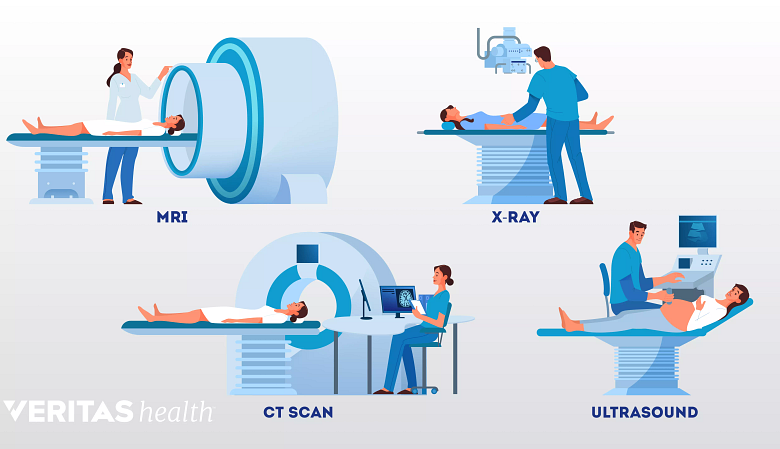
Several imaging techniques may be used to diagnose a disc problem.
A diagnostic test may be ordered to confirm the disc problem and/or to gain additional information, such as the location of a herniated disc and impinged nerve roots. Diagnostic tests may include:
- CT scan/Myelogram. Computerized tomography (CT) scans consist of an X-ray taken of the body, with a computer reformatting the image into cross sections of the spine. Sometimes a myelogram is performed during a CT scan, in which radiographic dye is injected into the area to provide more detail on the spinal structures.
- MRI scan. Magnetic Resonance Imaging (MRI) provides a sensitive and accurate assessment of the spinal nerves and anatomy, including disc alignment, height, hydration, and configuration.
- Discogram. A discogram may be recommended to confirm which disc is painful if surgical treatment is considered. In this test, radiographic dye is injected into the disc to recreate disc pain from the dye’s added pressure.
It is important to note that the test findings on an MRI scan or other diagnostic test are not in and of themselves a diagnosis. Physical exam findings and a review of symptoms need to match the MRI or other test findings to accurately identify the cause of pain.
See Preparing to See A Doctor for Back and Neck Pain
Only then can an effective treatment plan be prescribed, whether that entails treating a pinched nerve from a herniated disc, disc pain from degenerative disc disease, or another condition.