More Search Tools: Doctors Videos
News

Lower Back Injuries Most Common during Snow Shoveling

Study analyzes emergency department visits over 17 year span from snow shoveling

Snow Shoveling Injuries Image
Jan 31, 2011 (Spine-Health) --

In the first long-term study of snow shovel-related emergency department visits, injuries to the lower back were found to be the most common place of injury. Over the course of 17 years of emergency department records 195,100 individuals were treated for incidents involving snow shoveling (11,500 per year). For the United States population, this comes to 4.15 cases per 100,000 people per year.

Darvon and Darvocet Painkillers Removed from US Markets

Propoxyphene medications found as heart risk

Dec 14, 2010 (Spine-Health) --

The pain medications Darvon and Darvocet (a combination medication of Darvon and acetaminophen) were removed from the US market on November 19th by the manufacturer Xanodyne after a safety study showed heart risk during higher than recommended doses and some heart risk even at recommended doses. The FDA is calling for the generic drug propoxyphene (the active ingredient in Darvon) to also be removed.

FDA Advisory Panel Recommends Cymbalta for Use to Treat Chronic Pain

Depression medication recommended for use for chronic lower back pain

Aug 25, 2010 (Spine-Health) --

Cymbalta (duloxetine), a popular antidepressant medication and its manufacturing company, Eli Lilly, recently presented its case to an FDA advisory panel for the drug to be approved for use in treating chronic lower back pain, as well as pain due to osteoarthritis. Along with depression, Cymbalta is also approved by the FDA to treat anxiety, fibromyalgia, and nerve pain from diabetes.

SpineAssist: Robotic Guidance System for Assisting in Spine Surgery

First robotic assistance device available for spine surgery

SpineAssist Robot
Aug 20, 2010 (Spine-Health) --

The first robotic surgical device to be approved by the FDA for spine surgery is in use in a few hospitals around the world. Surgeons at the Texas Back Institute, and 24 other hospitals internationally, are now performing spine surgery with the assistance of robotic guidance. The SpineAssist device is the only surgical robot designed to operate on the spine, although it is expected to also be approved for brain surgery.

American College of Rheumatology Announces Revised Classification Criteria for Rheumatoid Arthritis

New classification will allow study of treatments for early symptoms

Aug 19, 2010 (Spine-Health) --

Rheumatoid arthritis treatments and research have developed immensely in the last twenty years, but the classification of the disease had not changed since 1987. A joint effort of the American College of Rheumatology and the European League against Rheumatism began in 2008 to develop new classification criteria for the disease aimed at identifying it earlier.

FDA Panel Votes Against Proposed Opioid Abuse and Overdose Plan

Committee says proposed plan not enough to fight national problem

FDA Panel Votes Against Proposal Image
Aug 13, 2010 (Spine-Health) --

An FDA advisory committee recently met to review the FDA’s proposed plan to create a REMS (Risk Evaluation and Mitigation Strategy) to help deal with opioid abuse and overdoses. In the FDA proposal, manufacturers of extended-release opioids would be responsible for providing educational materials and programs for physicians and nurses. This was to include pamphlets for patients and educational classes to guide physicians’ selection of appropriate patients.

Common Osteoporosis Medication Not Linked to Increased Risk of Esophageal or Gastric Cancer, Large-Scale Study Finds

Risk in Bisphosphonates group similar to control group

Osteoporosis Medication Image
Aug 12, 2010 (Spine-Health) --

Patients with osteoporosis – and the doctors who treat them – can potentially ease worries about a particular cancer risk with the use of bisphosphonates to treat osteoporosis. Recent studies had found some evidence that the use of bisphosphonates could cause an increased risk of esophageal or gastric cancer in patients.

Study Compares Injections for Treating Sciatica from Herniated Disc

Transforaminal Steroid Injections Reduced Sciatic Pain in 54% of Patients Tested

Study Compares Injections for Treating Sciatica from Herniated Disc Image
Aug 5, 2010 (Spine-Health) --

Researchers at the John Hunter Hospital and the Newcastle Bone and Joint Institute, both in Australia, recently finished a study on the effectiveness of transforaminal steroid injections. The study tested the injections as a viable treatment for lumbar radicular pain (sciatica) caused by a herniated disc before surgery is considered.

Diagnostic Injection for Low Back Pain from the Facet Joints May be Unnecessary

New research questions cost-effectiveness of administering diagnostic injection prior to treatment

Diagnostic Injection Image
Jul 30, 2010 (Spine-Health) --

A new study performed at John Hopkins Medical Center and Walter Reed Army Medical Center suggests the current process of treating axial lower back pain caused by the facet joints is not the most cost-effective.

Bracing Effective for Scoliosis When Worn Regularly, Study Finds

Scoliosis surgery less needed in adolescents wearing a brace > 12 hours daily

Scoliosis Bracing Image
Jul 23, 2010 (Spine-Health) --

Bracing for adolescent idiopathic scoliosis has been controversial because it is not fully understood when bracing is beneficial and when it is not. Doctors at the Texas Scottish Rite Hospital for Children studied the efficacy of the Boston Brace when it was worn with compliance to the doctors’ prescribed time of daily brace wear.

Older Men Can Also Be Affected by Osteoporosis

Viewing Osteoporosis as a “Women’s Condition” May Lead to Undertreatment in Men

Older Men and Osteoporosis Image
Jul 16, 2010 (Spine-Health) --

Osteoporosis is one of the most common conditions affecting the U.S population, with approximately 10 million people suffering from the disease. With such a high occurrence of this condition among women, it is often thought as a women’s disease among the general population and some physicians. However, approximately 2 million of the 10 million sufferers of osteoporosis are men.

Promising Cannabinoid Research for Neuropathic Pain

Synthetic compound similar to marijuana shows pain reduction with fewer side effects

Promising Cannabinoid Research Image
Jul 14, 2010 (Spine-Health) --

A new study conducted at the University of Texas may provide a first step towards developing a new medication for neuropathic pain.

Neuropathic pain is caused by nerve malfunction or nerve damage. There are few effective treatments for this type of pain since it is generally a chronic condition where nerve signals are malfunctioning without an identifiable anatomic cause.

Major Pain Medication Tylenol Recall Expanded

21 lots of Tylenol, Motrin and Benadryl are now being voluntarily recalled by J&J

Tylenol Recall Image
Jul 13, 2010 (Spine-Health) --

Over-the-counter medicines Tylenol, Motrin and Benadryl are being recalled by Johnson & Johnson. This is an expansion of the company’s recall in late April 2010 (Learn more).

Supplement Study for Osteoarthritis of the Spine

Glucosamine ineffective at reducing low back pain in osteoarthritis patients, study finds

Jul 7, 2010 (Spine-Health) --

A recent study examined the effectiveness of glucosamine on relieving lower back pain in patients with osteoarthritis of the lumbar (lower) spine.

New Research may Provide Explanation to Back Pain from Herniated Discs

Immune response found to be triggered by disc herniation

White Blood Cells
Jul 1, 2010 (Spine-Health) --

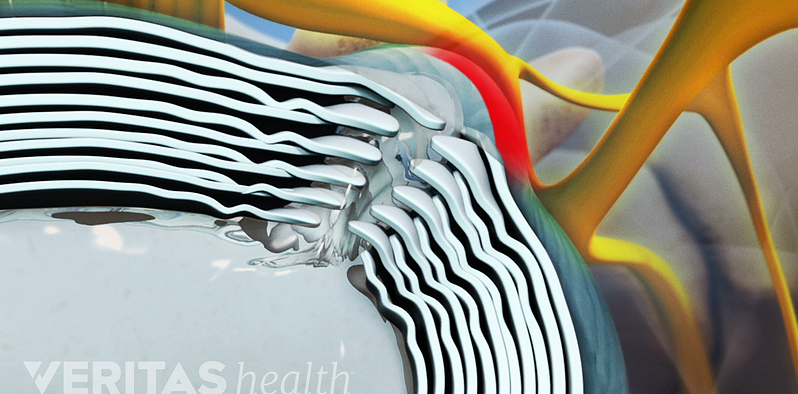
Researchers studying autoimmune disease have found a link between immune response and back pain. According to a study by Duke University Medical Center published in the July issue of the journal Arthritis and Rheumatism, a response by immune cells was observed when a herniated disc was present.

Is Bed Rest or Staying Active Better for Low Back Pain Recovery?

Review of Data Suggests Little Difference Between Bed Rest and Normal Activity for Low Back Pain.

Is Bed Rest or Staying Active Better for Lower Back Pain Recovery Image
Jul 1, 2010 (Spine-Health) --

While many news sources are pronouncing "Staying active is better than rest" for people with acute low back pain with or without sciatica, the data actually show that staying active is only marginally better for people with low back pain without sciatica, and not any better at all for those with sciatica.

New Osteoporosis Medication Approved by FDA

Injectable Drug Prolia Reduces Fractures in Postmenopausal Women

Jun 18, 2010 (Spine-Health) --

The Food and Drug Administration recently approved the drug Prolia (denosumab) for use in treating osteoporosis in postmenopausal women. According to the National Institutes of Health, nearly 50 percent of women over age fifty will experience a bone fracture caused in some part by osteoporosis. Prolia is designed to prevent fractures by promoting bone strength, while also providing a convenient alternative to the most common osteoporosis treatment options currently prescribed.

Acupuncture for Pain Treatment

New Study Provides Evidence that Acupuncture Increases Pain Threshold

Acupunture for Pain Management Image
May 19, 2010 (Spine-Health) --

Acupuncture is a popular form of Chinese medicine that has been around for over 2500 years. While it is typically not the first option used to treat neck pain or back pain, an increasing number of patients are using acupuncture for supplemental pain relief at the urging of physicians and other health professionals.

Knee Braces Shown to Reduce Pain From Osteoarthritis

Study participants reported less pain and took fewer pain medications after six months

Apr 30, 2010 (Spine-Health) --

Osteoarthritis is the most common, and often most disabling form of arthritis. It occurs frequently in weight-bearing joints including the hips and knees, and is characterized by tenderness, swelling, and stiffness, and moderate to severe pain.

Non-Surgical Treatment For Scoliosis May Not Be Cost Effective

New Study Discovers High Cost-Benefit Ratio for Treating Scoliosis Non-Surgically

News 4-22-10 Scoliosis Treatment Image
Apr 22, 2010 (Spine-Health) --

Scoliosis is not a disease or diagnosis in itself, rather it is a term used to describe an abnormal curvature of the spine. The condition can be caused by a number of factors-congenital, developmental, or degenerative problems-although the majority of cases have no apparent cause and thus are termed "idiopathic" scoliosis.

The condition typically develops in the upper back, but may also be found in the mid-back or low back. The curvature of the spine is side to side, and may be present as a single C-shaped curve or a double S-shaped curve.

Modifications to OxyContin Reduce Risk of Misuse

FDA Has Recently Approved New Formulation of OxyContin With Tamper-Resistant Features

Modifications to OxyContin Reduce Risk of Misuse Image
Apr 14, 2010 (Spine-Health) --

Narcotic pain medications are commonly prescribed for severe episodes of back pain, but their potentially addictive nature can be a concern for doctors and patients alike. In small doses, narcotic medications can be highly effective in treating pain; however, the body quickly builds a natural tolerance to the medications and they lose effectiveness. To help maximize relief and minimize the risk of physical dependence, narcotic medications are typically only used as a short-term solution (less than two weeks).

DePuy Spine Stops Production of Charite Artificial Disc

Confirmation from DePuy on Production Cease of the Charité in Favor of Newer Version

Apr 13, 2010 (Spine-Health) --

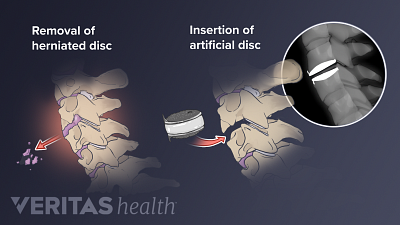
DePuy Spine confirmed to Orthopedics This Week in March 2010 that it has ceased production of the Charité lumbar artificial disc in favor of an improved version, called the In Motion artificial disc. The Charité artificial disc was a revolutionary development in spinal technology, as it was the first commercial product for total replacement of diseased lumbar discs.

Small Shifts in Lifestyle Can Help Fibromyalgia Symptoms

New Study Suggests Lifestyle Physical Activity May Reduce Perceived Disability and Pain

Lifestyle Changes and Fibromyalgia Image
Apr 8, 2010 (Spine-Health) --

Fibromyalgia is a painful muscular condition characterized by generalized back and muscle pain, and specific tender points around the body. The condition affects women nearly eight times more than men of the same age. Because there is no known anatomical cause for the condition, treatments often focus on therapeutic modalities including massage or gentle aerobics; however, physical activity can often be limited due to symptoms of the condition.

Simple Meditation Helps Reduce Perception of Pain

Research demonstrates even brief meditation reduces reported pain ratings

Simple Meditation Image
Apr 2, 2010 (Spine-Health) --

Meditation is a mental practice undertaken to achieve a certain state of mind, increasing one's mindfulness and concentration. By bringing focus to the mind, it is believed the physical body is allowed to heal itself. Although meditation makes up a large part of yoga and Tai Chi, it can also be practiced alone for psychological and physical well being, or as part of a pain management program.

Improved Understanding of Inflammation May Lead To Better Pain Relief

New research suggests two proteins responsible for pain perception may spur development of more effective pain drugs

Improved Understanding on Inflammation
Mar 31, 2010 (Spine-Health) --

Inflammation often plays a large role in the pain experienced after a back or neck injury. Whether the injury is due to muscle strain or joint dysfunction, the body's first priority is to increase blood and nutrient flow to the affected area to promote healing. As a result, the surrounding tissues become red and swollen and can place pressure on nearby nerves.

Risk of hearing loss associated with common painkillers

Study indicates increased risk of hearing loss in men under 60 who regularly take over-the-counter pain medications

Risk of Hearing Loss Image
Mar 18, 2010 (Spine-Health) --

Many episodes of low back pain can be controlled with common over-the-counter pain medications such as acetaminophen, aspirin and non-steroidal anti-inflammatory drugs (NSAIDs) such as ibuprofen and naproxen. These classes of drugs include brands like Tylenol, Bayer, Advil, and Aleve. However, although these are not prescription medications, these over-the-counter pain medications do have certain risks.

New Artificial Lumbar Disc Shows Promise Compared to Currently Available Discs

Small scale study shows less disability and back pain with new Physio-L Artificial Disc

Mar 12, 2010 (Spine-Health) --

Degenerative disc disease is one of the most common causes of low back pain in adults, resulting from inflammation and instability around the affected disc. Traditionally, degenerative disc disease was treated through spinal fusion surgery, which stops the motion at the pain-generating joint. However, recent developments have allowed physicians to localize the affected disc and replace it with an artificial disc, thereby reducing pain while restoring normal spinal motion.

New Study Indicates Safety of Mild Procedure for Lumbar Spinal Stenosis

Retrospective study shows positive safety profile for less invasive spinal stenosis surgery called "mild"

Mar 3, 2010 (Spine-Health) --

A recent observational study examined the safety of mild ("Minimally Invasive Lumbar Decompression" by Vertos Medical Inc.) by doing a retrospective review of 90 patients treated with the procedure between January 2008 and July 2009. Researchers found no serious complications with the mild devices or technique, concluding that mild was as safe as or safer than similar spinal stenosis treatments.

Behavioral Therapy Helps Improve Sleep in Chronic Pain Patients

New Study Shows Cognitive Behavioral Therapy Reduces Insomnia Associated with Chronic Pain

Behavioral Therapy Helps Improve Sleep in Chronic Pain Patients
Feb 25, 2010 (Spine-Health) --

Many patients with chronic neck and back pain find it nearly impossible to get a good, restful night of sleep. In fact, it is estimated that 65% of people with a chronic pain condition experience sleep problems. While some turn to prescription or over-the-counter sleep aids, there is the risk of drug interaction and other side effects if the patient is also taking pain medication. A new study at the University of Rochester shows that cognitive behavioral therapy can significantly improve sleep and daily functioning in patients suffering from chronic neck or back pain.

Acupuncture May Be Effective for Pain Management in Young Patients

New Study at Rush University Medical Center Assesses Pain Relief from Acupuncture For Children with Chronic Illnesses

Acupunture for Pain Management
Feb 19, 2010 (Spine-Health) --

Managing pain associated with chronic illness is a difficult task for adults, but is often even harder for children. One reason is that children are not able to communicate their pain needs as effectively as adults. Research shows that anywhere from 30-70 percent of pediatric patients with a chronic illness experience pain, and that many of those suffering do not receive adequate pain relief.

Cymbalta May Decrease Chronic Low Back Pain

Study shows statistically significant chronic back pain reduction in those taking Cymbalta versus placebo

Cymbalta May Decrease Chronic Low Back Pain
Feb 12, 2010 (Spine-Health) -- Chronic low back pain is a phrase used to describe pain that has persisted for 6 months or more, well beyond what is considered typical healing time for common low back injuries that will heal on their own. A recent study suggests that taking 60mg of Cymbalta (duloxetine) once daily may significantly reduce the effects of chronic low back pain.

Duloxetine functions as a serotonin and norepinephrine reuptake inhibitor and is often used for the treatment of depression and anxiety disorders.

Spinal Manipulation Effective for Cervicogenic Headache, Study Finds

Average Number of Headaches Decreases 50% in Spinal Manipulation Patients

Spinal Manipulation for Headaches
Feb 2, 2010 (Spine-Health) -- Spinal manipulation compares favorably to light massage when treating headaches that are primarily caused by the neck, according to a new randomized, controlled trial detailed in The Spine Journal.

In this study, researchers initially examined how different doses of spinal manipulation or light massage treatments affected patients with cervicogenic headaches, which refer to a group of headaches where the cervical spine (neck) is the primary structural source of pain.

Teenage Back Pain Associated with Competitive Youth Sports, Study Finds

Lower Back Pain Reported by 71% of Teenagers Who Were Highly Active in Sports Since Childhood

Teenage Back Pain Associated with Sports
Feb 1, 2010 (Spine-Health) -- Teenagers who played organized youth sports may be at a greater risk of lower back pain than teens who never participated in competitive sports, according to a study in The American Journal of Sports Medicine.

The study added that teenagers who were active in competitive sports since they were young children may have the highest risk of lower back pain.

Heavier Backpacks Increase Risk of Back Pain in Children

Back Pain Score of Nearly 5 on 10-Point Scale Reported by Kids Who Wore 26-Pound Backpack, Study Notes

Heavier Backpacks Linked with Back Pain in Children
Jan 29, 2010 (Spine-Health) -- Greater disc compression and increased spinal curvature occurs in children while wearing heavier backpacks, according to a recent study in the journal Spine that indicates that such children may experience and report more lower back pain to their parents.

In the first study to use imaging techniques to examine the effects of backpacks on children's spinal anatomy, researchers conducted standing MRI scans on the lumbar spines of 8 kids (average age 11 years) as they first wore an empty backpack and graduated to increasingly heavier backpacks of 9, 18 and 26 pounds.

Spine Surgeons Prefer Back Surgery Less Than Patients

Orthopedic Surgeons and Neurosurgeons View Pain Location as Most Important Factor for Surgery

Back Surgery More Preferable to Family Physicians
Jan 28, 2010 (Spine-Health) -- Spine surgeons are surprisingly less likely to recommend surgery for lower back pain than family physicians and patients, according to a recent study in Spine.

The study added that spine surgeons will typically recommend back surgery for leg pain before back pain based on the causes of pain and effectiveness of surgeries.

FDA Approves New Morphine Concentrations for Acute and Chronic Pain Relief

Morphine Sulfate Oral Solution Should Be Used Safely, FDA Adds

FDA Approves New Morphine Concentrations
Jan 27, 2010 (Spine-Health) -- The U.S. Food and Drug Administration (FDA) has approved specific concentrations of Morphine Sulfate Oral Solution – 100 milligrams per 5mL or 20 milligrams per 1 mL – for treating patients with moderate or severe symptoms of acute or chronic back pain.

While this medicine has been available on the market and commonly used to manage pain for years, Morphine Sulfate Oral Solution was not officially approved by the FDA until earlier this week. It is now the only morphine oral solution to be approved at this greater concentration.

Opioid Pain Killer Use Increases Risk of Fractures in Older Adults, Study Finds

Annual Fracture Rate Is 10% for Elderly Taking At Least 50 Milligrams of Opioids Per Day

Opiod Pain Killer Use Increases Risk of Fractures on Old Adults
Jan 26, 2010 (Spine-Health) -- Nearly a week after another study found that the risk of overdosing on opioids increases with higher doses of these powerful painkillers, a new study in the Journal of General Internal Medicine states that the risk of older adults suffering a bone fracture rises with moderately high doses of these drugs.

After examining approximately 2,341 adults aged 60 or older and suffering from non-cancer chronic pain, the study reported that the risk of bone fracture was higher in patients using opioids compared to patients not using these drugs.

Fibromyalgia Pain May Be Reduced by Slow Breathing and Positive Mood, Study Finds

However, Depression Is A Common Symptom of Fibromyalgia, Making It Difficult for Patients to Stay Positive

Jan 25, 2010 (Spine-Health) -- Breathing slowly can decrease feelings of pain in healthy patients and even fibromyalgia patients who are able to maintain a positive mood, according to a new study in the journal Pain.

However, patients with fibromyalgia and associated negative feelings like sadness or depression are unlikely to experience decreases in pain as a result of slowed breathing, the study added.

Fibromyalgia Drug Savella Should Be Recalled, Consumer Advocacy Group Says

Study Suggests That Savella Doesn't Improve Fibromyalgia Pain Compared to Placebo, Letter to FDA Notes

Fibromyalgia Drug Savella
Jan 22, 2010 (Spine-Health) -- Consumer advocacy group Public Citizen is urging the U.S. Food and Drug Administration to pull fibromyalgia drug Savella (milnacipran HCl) off the market due to concerns about its side effects and effectiveness.

In a letter written earlier this week to the FDA, the group cited a company study on Savella that it says shows that taking this drug increases the risk of higher blood pressure (hypertension) and hardly alleviates fibromyalgia pain when compared to a placebo pill.

Acute Back Pain with Serious Pathology Is Rare in Primary Care, Study Says

Roughly 1% of Back Pain Patients Have a Significant Underlying Cause of Their Acute Pain

Jan 21, 2010 (Spine-Health) -- Few patients who visit a primary care physician about acute back pain have a serious underlying pathology, according to a study detailed in January’s Journal of the American Academy of Physician Assistants (JAAPA).

In this study, researchers surveyed approximately 1,172 acute back pain patients on the possible presence of 25 red flags, or symptoms, associated with serious back pain causes like cancer, cauda equina syndrome, spinal fractures or infection.

Smoking and Non-Surgical Treatment of Back Pain Associated with Continued Opioid Use

Lower Back Pain Treatment Plans Should Account for Such Predictors, New Study Notes

Smoking and Non-Surgical Treatment of Back Pain
Jan 20, 2010 (Spine-Health) -- Smoking and non-surgical treatment of back pain are predictors of long-term opioid use, according to a new study in The Journal of Pain.

In what’s believed to be the first longitudinal study to assess predictors of long-term use of these potent drugs, researchers collected data from the Spine Patient Outcomes Research Trial (SPORT) on patients with lower back pain due to spinal stenosis or a herniated disc.

Higher Doses of Opioids for Chronic Pain Increase Opioid Overdose Risks

Risk Increases Nearly 9-Fold from 50 to 90 Milligrams of Opioids Per Day to 100 or More Mg/D, Study Finds

Opiod Overdose Risks
Jan 19, 2010 (Spine-Health) -- The risk of overdosing on opioids increases with higher dosages, according to a study that highlights the growing concern about prescribing opioids for chronic pain.

Also known as narcotics, opioids like oxycodone (Oxycontin, Percocet, Percodan), hydromorphone (Dilaudid) and hydrocodone (Vicodin) are potent analgesic drugs that can effectively treat back pain, arthritis and other chronic conditions in the short-term.

Chronic Sleep Loss Severely Impairs Cognitive Abilities, Especially Late at Night

New Study Dispels Myth That People Can Easily Catch Up on Chronic Sleep Debt

Jan 15, 2010 (Spine-Health) -- Often associated with chronic pain, chronic sleep loss is hardly reconciled by a few nights of good sleep, according to a new study in Science Translational Medicine that does not bode well for people who sleep poorly during the week and try to catch up on rest during the weekend.

In this study conducted by researchers at Brigham and Women’s Hospital in Boston, Massachusetts, 9 healthy volunteers were recruited to live a 43-hour day that included 33 hours of wakefulness and 10 hours of scheduled sleep for approximately 3 weeks.

Hip Joint Twisting Up 54% with Running Shoes Compared to Running Barefoot, Study Finds

Hip Osteoarthritis, Lower Back Pain Could Ensue After Such Disproportionate Force on the Joints

Hip Joint Twisting up 54%
Jan 14, 2010 (Spine-Health) -- Running with modern-day running shoes leads to greater joint twisting in the hips than running barefoot does, according to new research that could have implications for the development of not only hip osteoarthritis but lower back pain in such recreational runners.

As detailed in the American Academy of Physical Medicine and Rehabilitation journal PM&R, researchers were surprised to learn that running with modern-day running shoes caused a disproportionately large, 54% increase in internal hip rotation torque (twisting) when compared

Spine Immobilization Leads to 15 Extra Deaths Per Every 1,000 Shooting or Stabbing Victims

Immobilizing the Spine vs. Rushing Patients to Hospital Could Mean Difference in Life or Death, Study Adds

Jan 13, 2010 (Spine-Health) -- Immobilizing the spine of shooting and stabbing victims may double the risk of mortality when compared to avoiding these time-consuming activities and immediately taking such patients to trauma centers for treatment, according to a new study in the January issue of The Journal of Trauma.

Many states encourage that gunshot and stab wound victims be stabilized with cervical collars and secured to boards prior to transportation to the hospital, a practice that researchers say may be more harmful than beneficial for patients least injured by such penetrating trauma.

Risk of Lower Back Pain Is 31% Higher in Current Smokers than Never Smokers

Smoking and Lower Back Pain Association Is Stronger in Adolescents than Adults, New Analysis Adds

Jan 12, 2010 (Spine-Health) --

Smoking may not necessarily lead to lower back pain, but this risk still exists for current smokers, especially adolescents, according to new analysis in The American Journal of Medicine.

Based on the recent findings of Finnish researchers who analyzed 40 previous studies on lower back pain in current, former and never smokers, there is a “fairly modest” association with smoking and lower back pain.

Are Antidepressant Medications Any Different Than Placebo for Mild or Moderate Depression?

New Analysis Sees No Major Difference Between Antidepressants and Placebos in Such Cases

Jan 11, 2010 (Spine-Health) --

While antidepressant medications apparently provide substantial benefits to patients with severe symptoms of depression, their benefits are typically minimal or nonexistent when treating mild or moderate forms of depression, according to a new study in the Journal of the American Medical Association (JAMA).

To determine whether there is a significant difference between antidepressants and placebo for patients with less severe depression, researchers examined data on 718 patients from 6 large-scale, placebo-controlled trials of antidepressants approved by the FDA.

Fibromyalgia, Arthritis Prevalent in Migraine Sufferers Who Were Emotionally Abused as Children

New Study Links Other Pain Conditions to Childhood Maltreatment and Adult Migraines

Jan 8, 2010 (Spine-Health) -- Migraine patients who were maltreated as children had a higher risk factor for developing additional pain conditions like fibromyalgia, arthritis, irritable bowel syndrome or chronic fatigue syndrome than adult migraine sufferers who were not victims of child abuse, according to a new study in Headache: The Journal of Head and Face Pain.

In this study, researchers recruited patients with physician-diagnosed migraines from 11 outpatient headache centers in the United States.

Orthopedic Surgeon Training Needs Improvements, Study Suggests

Quality of Back Pain and Other Care May Be Affected Until Various Residency Challenges Are Addressed

Jan 7, 2010 (Spine-Health) --

Orthopedic surgeon training requires several basic changes to improve upon the doctor learning experience and patient care for back pain and other symptoms, according to a study gathering the opinions of orthopedic residency directors throughout the country.

As detailed in the January issue of The Journal of Bone and Joint Surgery, this study gauged the responses of 17 heads of noteworthy orthopedic programs in the United States, with these medical professionals asked to evaluate current residency models for orthopedic training.

Bone Fracture Risks High in HIV-Positive Postmenopausal Women

Unclear Reason for Low Bone Mineral Density in HIV Patients Prompts Closer Examination of Bone Health

Bone Fractures in HIV-Positive Postmenopausal Women
Jan 6, 2010 (Spine-Health) --

Postmenopausal women who are HIV-positive face a high risk of bone fractures as a result of low bone mineral density and accelerated bone loss, according to a new study to be published in February’s Journal of Clinical Endocrinology & Metabolism.

During this longitudinal study, researchers examined the confounding question of why women with HIV show less bone mineral density and hypothesized that such bone loss may be related to the effects of not only the HIV infection but HIV treatments on the skeleton.

Chronic Lower Back Pain May Not Be Relieved by Transcutaneous Electric Nerve Stimulation

Diabetic Neuropathy Apparently Does Benefit from TENS Treatment, Medical Review Adds

Jan 5, 2010 (Spine-Health) -- Transcutaneous electrical nerve stimulation (TENS) has not been shown in controlled studies to relieve lower back pain lasting three months or longer and should be avoided when treating such chronic back pain that is unidentifiable in cause, according to a recent medical review performed by the American Academy of Neurology.

As detailed in the journal Neurology, the systematic review found only five studies that examined chronic lower back pain relief from TENS treatments using electrodes to provide mild, electrical currents to painful areas of the back.

Nonunion Osteoporosis Fractures Effectively Treated by Balloon Kyphoplasty

Pain Improves After Minimally Invasive Procedure, Study Finds

Jan 4, 2010 (Spine-Health) -- Patients who had kyphoplasty surgery for nonunion vertebral compression fractures experienced improvements in pain and disc height, according to a new study supporting this minimally-invasive treatment for fractures caused by osteoporosis.

As detailed in January's Orthopedics, this study involved a pool of 200 patients who underwent kyphoplasty surgery for osteoporotic fractures that failed to merge or heal and were thus described as nonunion.

Studies Provide Back Pain Patients with More Reasons to Stop Smoking in 2010

Smoking 15 Cigarettes Is Equivalent to 1 DNA Mutilation, Researchers Note

Dec 31, 2009 (Spine-Health) -- Each time a person smokes a pack of cigarettes, a genetic mutation that could eventually lead to cancer is triggered, according to recent studies that once again support the relationship between smoking and lung cancer.

As recently detailed in the journal Nature, a study explored the effects of smoking on the genetic makeup of cells, with researchers respectively comparing a cancerous cell and a healthy cell from a 55-year-old man with lung cancer.

Experimental Injection Reportedly Simulates Effects of Chronic Pain Medications

Researchers Suggest That Injecting Liposomes Could Relieve Back Pain for Up to 1 Week at a Time

Dec 30, 2009 (Spine-Health) -- The New Year often brings developments on potential treatments for chronic pain, with medical doctors at Children’s Hospital Boston reportedly working on an injection that they suggest could substitute for medications for chronic pain.

According to researchers at the hospital, injecting specially-designed fat-based particles called liposomes, which sit in the body and slowly release powerful drugs, could provide effective relief for patients with back pain and other chronic pain for up to one week at a time, consequently allowing them to rely less on daily medications.

Birth Control Injection Increases Risk of Bone Loss in Certain Women

Nearly 50% of DMPA Users Will Experience High Bone Mineral Density Loss in the Lower Spine or Hip, Study Finds

Dec 29, 2009 (Spine-Health) -- A birth control injection named depot medroxyprogesterone acetate (DMPA) results in significant bone loss in the lower back or hip within two years of its use, according to new research detailing that women who use this contraceptive and smoke, have low calcium levels and have not yet conceived a child are at a higher risk for such side effects.

As detailed in the January 2010 issue of Obstetrics and Gynecology, this study followed 95 DMPA users for two years.

Recent Findings Reveal Gaps in Understanding and Treatment of Depression

Depression Can Lead to Medical Errors by Surgeons, Cause Personal Embarrassment for Some Patients

Dec 28, 2009 (Spine-Health) -- Common during the holiday season, depression is continually being examined to improve upon awareness and treatment, with a recent study detailing how this illness along with burnout are closely related to medical errors during surgeries and a separate survey suggesting that 71 percent of the public admits to knowing little about depression.

As detailed in the Annals of Surgery, approximately 7,905 surgeons participated in a confidential survey-study conducted by the Mayo Clinic, with 700 of them (8.9 percent) admitting that they made major medical errors during sur

Being Overly Negative about Certain Foods May Help Avoid Holiday Weight Gain and Pain

Process Called Counteractive Construal Helps Patients Resist Temptations and Maintain Diets, Study Finds

Dec 25, 2009 (Spine-Health) -- Christmas is a time for gathering and celebration that can sometimes lead to extra weight gain and related pain, with such scenarios possibly avoided by exaggerating the negative consequences of tempting foods, according to a recent study that may help people better approach their holiday and New Year's diets.

As recently detailed in the Journal of Consumer Research, the study suggested that perception as opposed to the reality of how threatening certain food is to weight gain may exert a bigger influence on whether or not people choose to eat such food.

Night Before Christmas Can Impair Sleep Patterns, Survey Finds

1 in 6 Americans Expect to Lose Sleep as Result of Holiday-Related Stress

Dec 24, 2009 (Spine-Health) -- It is generally understood that stress can disrupt normal sleep patterns, especially for patients suffering from chronic pain, and now a new survey reveals that 17% of Americans expect to lose sleep as a result of stress around the holidays.

According to a year-end survey from SleepBetter.org that included a nationally representative sample of approximately 1,001 Americans, 1 in 6 people estimated that they will lose sleep because of holiday stress, with parents more affected than children.

FDA Temporarily Recalls Brand Name Arthritis Pain Reliever

Tylenol® Arthritis Pain 100 Count Bottles with Red EZ-Open Cap Are Voluntarily Withdrawn Due to Unusual Smell

Dec 23, 2009 (Spine-Health) -- The United States Food and Drug Administration (FDA) and McNeil Consumer Healthcare have announced a voluntarily recall of all 100-count bottles of Tylenol® Arthritis Pain with a distinctive red EZ-OPEN CAP as a result of an uncharacteristic smell associated with this pain reliever.

According to a press release from the manufacturer, five lots of this over-the-counter pain medication were recalled in November due to an unusual odor resembling mold, mildew and mustiness and associated with nausea, vomiting, stomach pain and diarrhea, with the latest recall precautionary.

Why Is Osteoporosis Prevalent in Certain Bones?

New Research Points to Overwhelming Differences in Limb and Skull Bones

Dec 22, 2009 (Spine-Health) -- Differences in bone types may explain why the limbs are less resistant to thinning than the skull, according to new findings that researchers suggest could aid in the continued understanding and treatment of osteoporosis.

As detailed in a new study recently published in the open access journal PLoS ONE, researchers compared the cells of skull and limb bones taken from adult rats, finding approximately 1,236 genetic differences between these bones.

Pain Killer Abuse Skyrockets among U.S. Troops

1 in 4 Soldiers Admit to Abusing Pain Relievers in 1-Year Period, Survey Finds

Dec 21, 2009 (Spine-Health) -- Prescription drug abuse by U.S. troops has risen significantly, with pain killer abuse within the previous year up 120% in 2008 as compared to 2005, according to new survey results that highlight the continued tolls of current wars and multiple deployments.

As detailed in the recently released results of a Pentagon survey of more than 28,500 troops last year, pain killer abuse among troops within the previous year was at 22% in 2008 in comparison to 10% in 2005.

Osteoporosis Medications May Reduce Risk of Breast Cancer

Invasive Breast Cancer Was 32% Less Likely for Women Who Took Bisphosphonates, Study Finds

Dec 18, 2009 (Spine-Health) -- Women who took bisphosphonates were less likely to develop invasive breast cancer than women who did not take these bone-strengthening drugs, according to a recent analysis of participants in the Women’s Health Initiative (WHI) program.

As recently presented at the San Antonio Breast Cancer Symposium, researchers detailed that breast cancer developed in only 64 out of 2,216 women who were taking bisphosphonates when entering the WHI program back in 1991.

Radiation Exposure from CT Scans Is Reportedly Higher Than Expected

New Studies Warn of Potential Cancer Risks from Computerized Tomography Radiation

Dec 18, 2009 (Spine-Health) --

Radiation exposure in computerized tomography (CT scans) may be more than previously reported, possibly leading to increased cases of radiation-related cancer and cancer mortalities, according to new findings.

As recently detailed in the Archives of Internal Medicine, two separate studies explored cancer incidences and deaths as related to CT scans, which involve shooting an x-ray beam through the body and using a computer to reformat the image into a cross section of internal organs, bone, soft tissue, blood vessels or other anatomy.

Anti-Inflammatory Drug Can Impair Heart Attack and Stroke Protections

Celebrex Limits Aspirin from Discouraging the Formation of Blood Clots, Study Suggests

Dec 17, 2009 (Spine-Health) -- The anti-inflammatory drug Celebrex, when taken in conjunction with low doses of aspirin, limits protections from heart attack and stroke, according to new findings.

As recently detailed in the Proceedings of the National Academy of Sciences, researchers learned in animal studies that Celebrex limits aspirin from discouraging the formation of blood clots that can lead to heart attack or stroke.

Chemotherapy Drug Increases the Risk of Chronic Pain

Neuropathic Pain More Likely for Breast Cancer Survivors Who Used Taxol, Study Finds

Dec 16, 2009 (Spine-Health) -- Breast cancer survivors who received the chemotherapy drug paclitaxel (Taxol) are at an increased risk of developing neuropathic pain, according to new findings suggesting that these patients be frequently monitored for such chronic pain following chemotherapy.

As recently detailed in the Journal of Pain, researchers surveyed 240 women who participated in clinical trials for Taxol between 1994 and 2001.

Antidepressants Fail to Affect Protein That Contributes to Depression Recurrences

Future Antidepressants Should Target Monoamine Oxidase A, Researchers Suggest

Dec 11, 2009 (Spine-Health) -- A common class of antidepressants, selective serotonin reuptake inhibitors (SSRIs), are ineffective at treating a major brain protein that can contribute to recurrences of depression, according to a new study.

As detailed in the Archives of General Psychiatry, researchers have learned that monoamine oxidase A (MAO-A) is highly elevated during clinical depression but unaffected by most antidepressants, potentially explaining why recurrence is a major problem with depression.

Depression Leads to Bone Loss, Especially in Young Women

New Findings Support Depression as Official Risk Factor for Osteoporosis

Dec 10, 2009 (Spine-Health) -- Depressed people have lower bone mineral density (BMD) than people who are not depressed, according to new research stating that depression should be included as an official risk factor for osteoporosis.

As recently detailed in the journal Biological Psychiatry, researchers examined all studies on depression and bone mineral density conducted to date, with 23 papers identified and approximately 2,322 depressed and 21,141 non-depressed individuals studied.

Discovery of Hidden Sensory Network Could Explain More about Fibromyalgia & Migraines

New Finding Is Unearthed While Examining Rare Patients Who Feel Little Pain

Dec 10, 2009 (Spine-Health) -- The human sensory system is not just limited to the nerves, according to new research that has discovered a hidden sensory network throughout the blood vessels and glands.

As recently detailed in the journal Pain, researchers studied two patients with a rare condition called congenial insensitivity to pain, which is marked by an inability to feel most pain.

Could Antidepressant Use Among Chronic Pain Sufferers Lead to Personality Changes?

Commonly Used Antidepressant Produces Separate Changes in Personality, Study Suggests

Dec 8, 2009 (Spine-Health) -- Using a class of antidepressants known as selective serotonin reuptake inhibitors (SSRIs) may lead to personality changes that are independent of the treatment of depression symptoms, according to new research that could have implications for sufferers of chronic pain and related depression.

A new report in the Archives of General Psychiatry has found that patients who used an SSRI named paroxetine to treat depression experienced signficantly decreased levels of neuroticism and increased feelings of extraversion as compared to cognitive therapy and placebo groups.

Percutaneous Disc Decompression Provides Long-Term Relief of Sciatica, Study Finds

Minimally Invasive Procedure for Herniated Disc Outperforms Non-Surgical Treatments 1 and 2 Years Later

Dec 7, 2009 (Spine-Health) -- A minimally invasive treatment called percutaneous disc decompression provides more long-term relief for back pain and leg pain (sciatica) resulting from a herniated disc than traditional, non-surgical treatments, according to new findings.

As recently presented at the annual meeting of the Radiological Society of North America (RSNA), a randomized, controlled study involved approximately 31 patients (17 men and 14 women with a mean age of 36) who complained of back pain and leg pain (sciatica).

Could Childhood Obesity Spur Early Disc Degeneration and Future Back Pain?

52.1 Percent of Child Back Pain Patients in New Study Had Spinal Abnormality in Lower Back

Childhood Obesity and Back Pain
Dec 4, 2009 (Spine-Health) -- Childhood obesity could cause early disc degeneration that leads to back pain and other spinal abnormalities, according to new findings that researchers suggest challenge beliefs concerning children and degenerative disc disease.

As recently presented at the annual meeting of the Radiological Society of North America, a new study examined approximately 188 adolescents between the ages of 12 and 20 who complained of back pain and sought care during a 4-year period at New York City’s The Children’s Hospital at Montefiore.

Osteoarthritis Increases U.S. Annual Health Care Costs by $186 Billion

Women with Osteoarthritis Account for $118 Billion of Expenditure Increase

Osteoarthritis Increases U.S. Annual Health Care Costs
Dec 3, 2009 (Spine-Health) -- Osteoarthritis raises total health care costs in the United States by $186 billion each year, according to new research stressing the importance of improved awareness and screening for this painful form of arthritis.

Also known as degenerative joint disease, osteoarthritis is marked by stiffness, inflammation and pain in mostly the weight-bearing joints (hips and knees) plus the hands, feet and spine.

Chronic Pain Increases Likelihood of Elderly Falling Down

Severe Pain One Month Leads to 77% Chance of Seniors Falling the Next Month, Study Finds

Chronic Pain and the Elderly
Dec 2, 2009 (Spine-Health) -- Older Americans are more likely to fall when dealing with chronic pain, according to recent findings that suggest that chronic pain is more than just a part of aging and ultimately plays a significant role in why such accidents occur.

As detailed in the Journal of the American Medical Association, a new study initially surveyed 749 seniors, aged 70 and over, on whether they were suffering from any chronic pain and then required them to keep records of each time they fell during the following 18 months.

Flaxseed Oil in Diet Reduces Risk of Osteoporosis, Study Suggests

Dietary Supplement Could Aid Diabetic and Post-Menopausal Women in Osteoporosis Prevention

Dec 1, 2009 (Spine-Health) -- Including flaxseed oil in the diet could reduce the risk of osteoporosis in post-menopausal women and women with diabetes, according to new animal studies.

Diabetes in post-menopausal women may also lead to a greater risk of osteoporosis than removal of the ovaries, as detailed in the International Journal of Food Safety, Nutrition and Public Health.

Intensive Physical Therapy Improves Function after Lumbar Discectomy

Study Finds Back Care Education and Exercise to be More Beneficial than Education Alone

Intensive Physical Therapy Improves Function after Lumbar Discectomy
Nov 30, 2009 (Spine-Health) -- Patients who underwent a comprehensive physical therapy program of exercise and education following a single-level lumbar discectomy experienced significant improvements in physical function as compared to post-surgery patients who were just educated on back care, according to a new study conducted by researchers at the University of Southern California.

Patients Favor Doctors Who Disclose Potential Side Effects of Treatment

However, Only 40% of "Adverse Events" Are Disclosed in Hospital Settings

Disclosing Adverse Events
Nov 27, 2009 (Spine-Health) -- Patients are more likely to give medical staffs higher rankings when they have been informed of potential side effects of treatments, according to a new study adding that such disclosure is still surprisingly low in hospitalized settings.

As recently detailed in The Archives of Internal Medicine, nearly 2,300 medical and surgical acute care patients were randomly sampled in Massachusetts hospitals between April 1 and October 1, 2003, with 603 patients reporting approximately 845 adverse events, which refers to changes in health or side effects that occurred during or a

Injuries and Illnesses Cause More than 1 Million Missed Work Days in 2008

Soreness and Pain (including Back Pain) Account for 11 Percent of Missed Days

Missed Work Days due to Back Pain
Nov 26, 2009 (Spine-Health) --

As many people prepare to enjoy some extra time away from their jobs this Thanksgiving weekend, recent studies provide more insight on the relationship of missing time from work due to back pain and other injuries and illnesses.

In the past, exact estimates to the amount of work time missed because of back pain have varied, although back pain has been previously described as the second most common cause of missed workdays due to illness.

Could Chemical Compound Minimize Certain Effects of Spinal Cord Injuries?

Findings Note Potential of Possible Treatment for Spinal Injuries and Multiple Sclerosis

Nov 25, 2009 (Spine-Health) -- An experimental drug has been shown to restore function to nerves damaged by spinal cord compression injuries and shows potential for future treatment of spinal cord trauma, according to new research from Purdue University.

As recently detailed in the Journal of Neurophysiology, the chemical compound, 4-aminopyridine-3-methyl-hydroxide, was used to treat pig spinal cord tissue that was simulated to experience the stresses that occur in spinal cord compression injuries, which stretch rather than sever the nerves and can lead to paralysis.

Respiratory Function Diminishes in Patients with Neuromuscular Disorders and Scoliosis

Researchers Suggest Neuromuscular Disorders Affect Respiratory Muscle Strength Independently of Scoliosis

Scoliosis and Respiratory Muscle Strength
Nov 24, 2009 (Spine-Health) -- Patients with neuromuscular disorders had diminished respiratory muscle strength and pulmonary function compared with a healthy control group, according to a new study also examining how scoliosis affects lung function.

As detailed in a recent edition of The Spine Journal, neuromuscular disorders are known to lead to lung volume loss and respiratory muscle weakness, but the effects of scoliosis on lung function are unknown, a point that served as a basis of this study.

Sex Lives Improve following Surgeries that Reduce Chronic Lower Back Pain

Study Correlates Better Sex with Improved Back Pain after Disc Replacement or Fusion

Chronic Lower Back Pain and Sex
Nov 23, 2009 (Spine-Health) -- Improvements in sex life are positively correlated to a reduction in chronic lower back pain following either a total disc replacement surgery or a spinal fusion, according to a Swedish study exploring the relationship between back pain and sexual function based on the type of surgery performed.

As detailed in the December edition of The Spine Journal, a randomized, controlled trial examined 152 chronic low back pain patients who had either total disc replacement surgery (TDR) or a posterolateral fusion (PLF) or posterior lumbar interbody fusion (PLIF).

Risk of Infection after Spine Surgery is 2%

Comprehensive Findings Highlight Postoperative Infection Rates for Different Back Surgeries

Comprehensive Spine Surgery Findings
Nov 20, 2009 (Spine-Health) -- A review of more than 108,000 spine surgeries has found the overall risk of superficial or deep wound infections occurring after operation to be 2%, according to research presented from the Scoliosis Research Society (SRS) at last week’s 24th Annual Meeting of the North American Spine Society (NASS).

After querying the SRS database for the years 2004-2007, researchers identified approximately 108,419 cases of superficial and deep wound infections following spine surgery.

Discography for Patients without Back Pain Can Quicken Disc Degeneration

10-Year Results Find Injected Discs Deteriorate Faster than Non-Injected Discs

Discography for Patients without Back Pain Can Quicken Disc Degeneration
Nov 19, 2009 (Spine-Health) -- Spinal discs that were exposed to modern discography techniques appeared to degenerate at a greater progression than discs that were not punctured and injected, according to the 10-year results of a study presented at last week’s 24th Annual Meeting of the North American Spine Society (NASS).

The study compared a control group of 75 patients with another 75 patients without back pain who had a protocol MRI and a discography examination on one or several levels of the spine (L3/4, L4/5 and/or L5/S1) back in 1997.

Can Too Much Texting Lead to Neck Pain and Shoulder Pain?

Preliminary Research Suggests Texting Can Be a Pain in the Neck

Texting May Lead to Neck and Shoulder Pain
Nov 18, 2009 (Spine-Health) -- The more time college students spent text messaging, the more neck pain and shoulder pain they reported experiencing, according to a preliminary Temple University study that could eventually provide more insight on how texting specifically affects the upper body.

As recently presented at the annual meeting of the American Public Health Association (APHA), the Temple study observed 138 university students with the purpose of determining the relationship between texting and upper body pain.

Chronic Pain Patients with Depression More Likely to Receive Opioids

Researchers Worry about Opioid Use for Depressed Patients with Chronic Pain

Chronic Pain Patients with Depression More Likely to Receive Opioids
Nov 17, 2009 (Spine-Health) -- Patients suffering from chronic pain and depression are three times more likely to receive long-term prescriptions for opioid medications than chronic sufferers who are not depressed, according to a new study expressing concerns about the potential implications of increased opioid use among the depressed population.

Published in the November-December issue of the journal General Hospital Psychiatry, the study analyzed the medical records of tens of thousands of patients enrolled with two insurers between 1997 and 2005.

Low-Level Laser Therapy Relieves 70% of Acute Neck Pain

Review Supports Cold Laser Therapy as Short- and Mid-Term Treatment of Pain in Neck

Nov 16, 2009 (Spine-Health) -- Low-level laser therapy (LLLT) provides effective pain relief of both acute and chronic neck pain, according to a recent review and analysis of various trials examining the efficacy of using wavelengths of light to treat pain in the neck.

The review headed by researchers in Australia and recently published in The Lancet studied 16 randomized, controlled trials including a total of 820 patients with neck pain that could not be linked to a specific cause.

Today's Back Pain and Neck Pain News

Welcome to the Back Pain and Neck Pain News section of Spine-health.com. Written and published weekly by the Spine-health News Team, this original content is an ideal source to stay updated on the most recent developments in the treatment of back pain, neck pain and other symptoms and conditions related to the spine.

Read about the Spine-health News Team