
Subscribe to our newsletter and get your FREE guide,
Natural Back Pain Relief: 16 Choices for Lasting Comfort.
Lumbar spinal stenosis treatment aims to relieve leg pain more than back pain.
The symptoms of lumbar spinal stenosis usually respond favorably to nonsurgical methods. 1 Lee SY, Kim TH, Oh JK, Lee SJ, Park MS. Lumbar Stenosis: A Recent Update by Review of Literature. Asian Spine J. 2015;9(5):818–828. doi:10.4184/asj.2015.9.5.818 Research indicates that 60% to 90% of patients experience relief of symptoms after nonsurgical or surgical treatment for lumbar spinal stenosis. 1 Lee SY, Kim TH, Oh JK, Lee SJ, Park MS. Lumbar Stenosis: A Recent Update by Review of Literature. Asian Spine J. 2015;9(5):818–828. doi:10.4184/asj.2015.9.5.818
Back pain may persist even after treatment if pre-existing degenerative arthritis is present. 1 Lee SY, Kim TH, Oh JK, Lee SJ, Park MS. Lumbar Stenosis: A Recent Update by Review of Literature. Asian Spine J. 2015;9(5):818–828. doi:10.4184/asj.2015.9.5.818 Unless there is a medical emergency, treatment of spinal stenosis pain is almost always initiated with nonsurgical techniques.
In This Article:
Nonsurgical Treatments for Lumbar Spinal Stenosis
Treatment of stenosis in the lumbar spine depends on the specific cause. While stenosis caused by a lumbar herniated disc may be treated with physical therapy and exercise, large overgrown bony protrusions from the facets may require surgical trimming.
Nonsurgical treatment for spinal stenosis typically includes some combination of the following approaches:
Physical therapy

Flexion-based hamstring stretches may help relieve spinal stenosis pain.
The primary treatment for lumbar spinal stenosis includes a guided program of physical therapy and exercise specifically formulated to target the underlying cause.
Physical therapy and exercise help relieve spinal stenosis pain in the following ways:
- Provides symptom relief
- Restores function of the lumbar spine and the sacroiliac joint
- Improves mobility of the lower body
- Fosters a better healing environment in the lower back
- Prevents pain recurrence and flareup
advertisement
Flexion-based (forward bending) therapy, which includes cycling and inclined walking can help open the spinal canal and allow for increased blood flow. These exercises are also better tolerated since bending forward typically relieves lumbar spinal stenosis pain. Exercises may also aid in weight loss and an overall decrease in mechanical stress on the lumbar spine. 2 Patel J, Osburn I, Wanaselja A, Nobles R. Optimal treatment for lumbar spinal stenosis. Current Opinion in Anaesthesiology. 2017;30(5):598-603. doi:10.1097/aco.0000000000000495
See Exercise for Sciatica from Spinal Stenosis
Activity modification and self-care

Ice therapy may be used for immediate pain relief, whereas heat therapy helps improve blood flow to sore muscles.
Modifying daily activities and exercising caution while performing specific tasks can help relieve lumbar spinal stenosis pain. Useful tips include:
- Walking with support by leaning forward on a cane, walker, or shopping cart
- Avoiding extended periods of standing
- Placing one foot over a step stool if standing for a long time, such as while doing dishes or cooking
- Maintaining a healthy weight to reduce stresses on the spinal and pelvic joints
- Using ice therapy for 10 to 15 minutes when the pain flares up—for immediate relief through a numbing effect
- Applying heat therapy before engaging in physical activities to help improve blood flow to the sore muscles and relax the soft tissues
See Living with Lumbar Spinal Stenosis
Medications
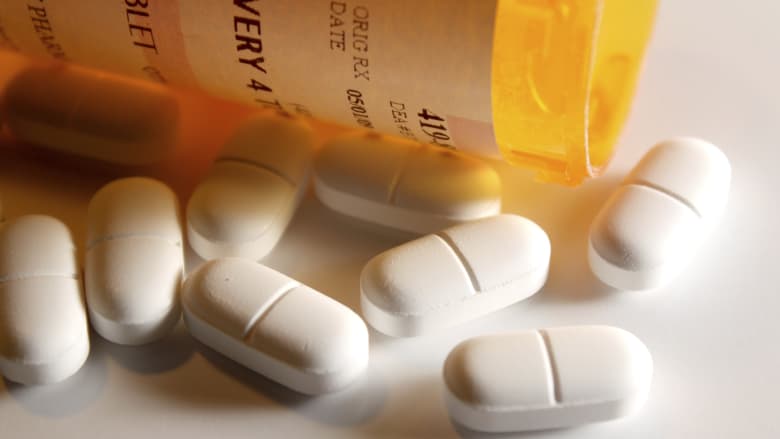
Short-term prescriptions of opioids and muscle relaxants may be recommended for managing symptoms.
Pain relief may be achieved with the use of over-the-counter and/or prescription medications. The following drugs are commonly used to treat lumbar spinal stenosis pain:
- Nonsteroidal anti-inflammatory drugs (NSAIDs). Medications such as ibuprofen and naproxen may be used to temporarily relieve stenosis pain. These drugs are used with caution due to gastrointestinal side effects in the long-term. 3 Covaro A, Vilà-Canet G, de Frutos AG, Ubierna MT, Ciccolo F, Caceres E. Management of degenerative lumbar spinal stenosis: an evidence-based review. EFORT Open Rev. 2017;1(7):267–274. Published 2017 Mar 13.
- Gabapentinoids. The antiepileptic medications gabapentin and pregabalin may help inhibit nerve pain caused by spinal stenosis. 2 Patel J, Osburn I, Wanaselja A, Nobles R. Optimal treatment for lumbar spinal stenosis. Current Opinion in Anaesthesiology. 2017;30(5):598-603.
- Prostaglandin analogs. Drugs such as limaprost improve circulation in the spinal arteries, resulting in improved blood flow to the compressed nerve, relieving pain. 2 Patel J, Osburn I, Wanaselja A, Nobles R. Optimal treatment for lumbar spinal stenosis. Current Opinion in Anaesthesiology. 2017;30(5):598-603. doi:10.1097/aco.0000000000000495
There is no standard guideline on the choice of drug to be used for spinal stenosis. Doctors may try several combinations and dosages to check what works best. Opioids and muscle relaxants may be prescribed for short-term use.
Minimally Invasive Injection Treatments for Lumbar Spinal Stenosis
Injections help relieve lumbar spinal stenosis pain by achieving the following goals:
- Reduce spinal inflammation
- Stop or inhibit the transmission of pain signals from the spine to the brain.
Injections may be delivered in the epidural space (space surrounding the spinal cord) or directly on or around the target nerve.
Common injection techniques include:
Epidural injections
These injections deposit medication, typically steroids, in the epidural space of the spine. The steroid solution helps reduce inflammation and pain signals from the spinal pain source.
See Lumbar Epidural Steroid Injections for Low Back Pain and Sciatica
Facet joint injections

Facet joint injection may help in reducing pain originating from facet joints.
These injections help treat pain stemming from a specific facet joint. A medicated solution of steroids with or without an anesthetic helps reduce inflammation originating from these joints.
See Cervical, Thoracic and Lumbar Facet Joint Injections
Radiofrequency ablation (RFA)

Radiofrequency ablation passes an electric current to the targeted nerve to treat pain.
This procedure treats pain by creating a heat lesion on the medial or lateral branch nerve (pain-transmitting nerves) of a facet joint. The resulting lesion prevents the transmission of pain signals from the nerve to the brain.
See Radiofrequency Ablation (RFA)
While rare, a few risks are possible with these injections, including permanent nerve damage, infection, bleeding, allergic reactions, and spinal cord damage.
Spinal injections are performed under the guidance of fluoroscopy (live x-ray). A contrast dye is injected into the tissues to make sure the needle is accurately placed at the suspected site of pain. Medical imaging helps prevent injury and further complications that may be caused by injecting into adjacent structures, such as blood vessels.
Read more about Injections for Neck and Back Pain Relief
Complementary and Alternative Treatments for Lumbar Spinal Stenosis
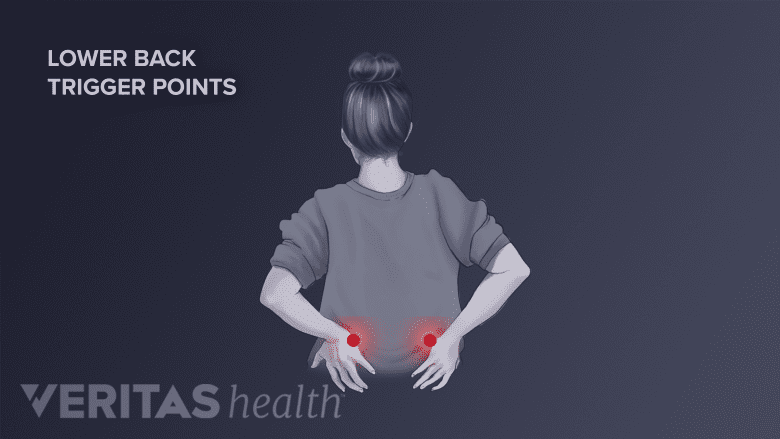
Treatments such as massages focus on loosening tight muscles and reducing spasms in the lower back.
While not a first-line treatment, complementary and alternative medicine techniques may be used to treat lumbar spinal stenosis pain. Limited research suggests that the following complementary treatments may help relieve radicular pain associated with spinal stenosis:
- Manual manipulation. Hands-on techniques that involve manipulation and mobilization of the spinal tissues may help relieve spinal stenosis pain. Common techniques include flexion-distraction manipulation and manual stretching of the thoracolumbar fascia (soft tissues). 4
- Acupuncture. Stimulation of tight lumbar muscles through acupuncture may help increase blood flow, reducing muscle strain and back pain, and promoting healing. 5
- Therapeutic massage. Deep tissue and Swedish massages may help loosen tight muscles and reduce spasms, increase blood flow, and improve the overall range of motion in the lower back and legs.
See Pain Management of Lumbar Stenosis
Preventing Fall Injuries in Lumbar Spinal Stenosis
Lumbar spinal stenosis may cause symptoms that predispose one to trip or fall, such as leg weakness, foot drop, and gait or balance problems. Severe fall injuries may cause hip fractures and other problems, especially in the elderly population. To prevent such injuries, it is advisable to modify the environment and use assistive devices, such as by:
- Removing throw rugs and cords
- Placing handrails in the shower
- Using a walker/rollator to walk around the house
- Using a rolling laundry cart to carry clothes to and from the laundry room
While keeping these points in mind, it is also important to avoid bed rest and remain physically active and engaged, as tolerable.
advertisement
Dietary changes and nutritional supplements may help control inflammation and build up anti-inflammatory substances in the body. Avoiding inflammation-causing foods, such as sugar, fried or processed foods, and red meat, and consuming natural anti-inflammatories, such as turmeric (curcumin), ginger, green tea, and tart cherry extracts may help reduce or prevent inflammatory nerve pain.
While nonsurgical techniques are the first-line treatments in managing lumbar spinal stenosis, there are also surgical options to treat stenosis symptoms that don’t respond to nonsurgical treatment or get worse. Rarely, surgery may be recommended on an emergency basis, such as for cauda equina syndrome.

advertisement