A chiropractor is a health care professional focused on the diagnosis and treatment of neuromuscular disorders, with an emphasis on treatment through manual adjustment and/or manipulation of the spine.
Most chiropractors seek to reduce pain and improve the functionality of patients as well as to educate them on how they can account for their own health via exercise, ergonomics and other therapies to treat back pain.
See How To Select The Best Chiropractor
Chiropractic is generally categorized as alternative medicine or complementary medicine.
In This Article:
Chiropractors: Fundamental Beliefs and Goals
Chiropractors focus on the intimate relationship between the nervous system and spine, and hold true the following beliefs:
- Biomechanical and structural derangement of the spine can affect the nervous system
- For many conditions, chiropractic treatment can restore the structural integrity of the spine, reduce pressure on the sensitive neurological tissue, and consequently improve the health of the individual.
The treatment concept of chiropractic is to re-establish normal spinal mobility, which in turn alleviates the irritation to the spinal nerve and/or re-establishes altered reflexes. 1 Palmer DD, "The Science, Art, and Philosophy of Chiropractic," Portland, Oreg.; Portland Printing House; 1910.
Common Conditions Treated with Chiropractic Therapy
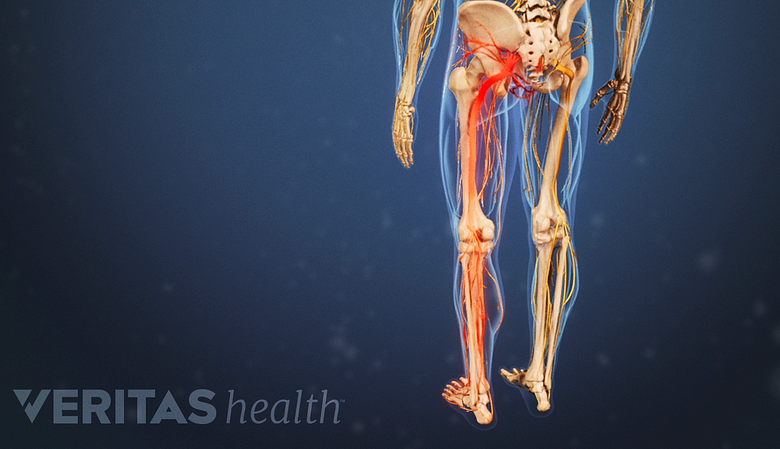
Chiropractic treatment is indicated in some cases of sciatica.
Chiropractors use a variety of non-surgical treatments to treat patients with certain types of:
- Lower back pain and/or leg pain (sciatica)
- Neck pain
- Repetitive strains
- Headaches
- Sports injuries
- Car accident injuries
- Arthritic pain. 2 Globe G, Morris C, Whalen W, et al., "Chiropractic Management of Low Back Disorders: Report from a Consensus Process," Journal of Manipulative and Physiological Therapeutics November/December 2008: 651-658.
While primarily focusing on treating neuromusculoskeletal disorders, chiropractors are not exclusively limited to problems with the nervous system and musculoskeletal system.
When appropriate, chiropractors refer patients to medical doctors or other health practitioners for treatment of lower back pain. Many chiropractors have a local referral network or work together with other spine specialists in a multi-disciplinary or multi-specialty spine clinic.
- 1 Palmer DD, "The Science, Art, and Philosophy of Chiropractic," Portland, Oreg.; Portland Printing House; 1910.
- 2 Globe G, Morris C, Whalen W, et al., "Chiropractic Management of Low Back Disorders: Report from a Consensus Process," Journal of Manipulative and Physiological Therapeutics November/December 2008: 651-658.