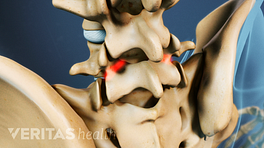
Electrical bone growth stimulators are a supplemental form of therapy to help enhance the body’s bone healing process… a process that is absolutely essential for the success of any type of spinal fusion surgery.
Human bone is actually a living tissue and, like skin, has the inherent ability to heal itself when broken or injured. Broken bone helps promote the body’s bone healing process by creating its own electrical field. In the same way, application of an electrical stimulator can enhance the body’s natural bone healing process.
The Process of Spine Fusion
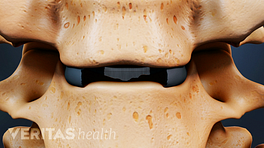
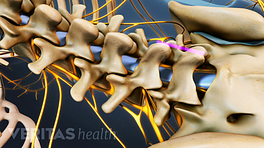
In the case of a spinal fusion, it is necessary for multiple bone fragments to heal together, or “fuse”, to create one solid bone. A fusion does not occur immediately at the time of surgery, but rather it is a process that occurs over time.
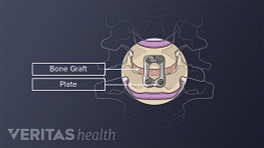
- During surgery, the surgeon lays down bone fragments (usually taken from iliac crest in the patient’s hip) in the segment of the spine to be fused.
- After the surgery, a process called "osteogenesis" starts, which is the body's way of growing bony tissue.
- Over time (a few months and up to one year), this bone growth process most often unites the bone graft pieces into a solid union of bone.
In This Article:
- How an Electrical Bone Growth Stimulator Helps with Spine Fusion
- Internal Bone Growth Stimulators for Spine Fusion
- External Bone Growth Stimulators for Spine Fusion
The fusion of these bone fragments stops the motion in the affected segment of the spine, and thereby eliminates or reduces the pain that was created by the motion.
Risk that Spine Fusion Will Not Occur Properly
However, there is always a risk that the bone will not grow together and fuse in a normal period of time (called a non-fusion, failed fusion, or pseudoarthrosis). Because of this risk, an electrical bone growth stimulator is sometimes used to help enhance the body's bone healing process. This is especially true if a patient has risk factors that may make it difficult to achieve a successful bone fusion.
Electrical Bone Growth Stimulation May Help Some Spine Fusion Patients
While there are no clear-cut rules for when a patient may need electrical stimulation to help achieve a solid fusion. It is generally thought that patients who may be vulnerable to bone healing problems include:
- Patients who have had a previously failed spine fusion
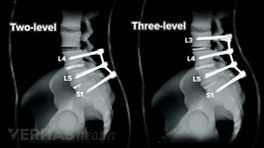
- Patients who are having a multi-level spinal fusion
- Patients who smoke
- Patients with a diagnosis of Grade III (or worse) spondylolisthesis
Additional factors that may lessen the chance of obtaining a solid fusion include: osteoporosis, vascular disease, obesity, diabetes, renal disease, alcoholism, and medications that deplete calcium.
How a Spinal Fusion Works
Based on the surgeon’s preference, or if the patient has risk factors for fusion, an electrical bone growth stimulator may be used as an adjunct to spinal fusion surgery to help enhance the chances of achieving a successful bone fusion.
Bone stimulators can either be implanted under the skin (internal) or worn on the outside of the skin (external).