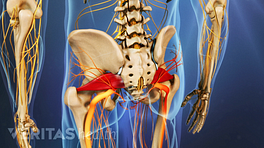
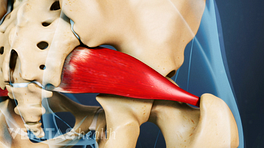
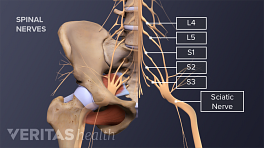
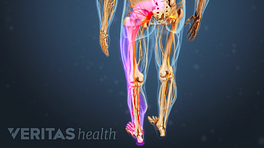
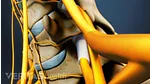
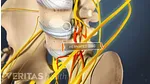
The symptoms and signs of piriformis syndrome may range from mild discomfort to severe, debilitating pain in the buttock. The symptoms can also travel down the thigh and leg if the piriformis muscle presses on the sciatic nerve.
Piriformis syndrome symptoms may remain constant throughout the day or flare with physical activities that include movements of the hip and legs, such as sitting, walking, climbing stairs, and twisting.
Piriformis syndrome is diagnosed based on the patient's symptoms and signs. The diagnostic process involves a detailed review of the medical history and a series of clinical and diagnostic tests.
In This Article:
- What Is Piriformis Syndrome?
- Causes of Piriformis Syndrome
- Symptoms and Diagnosis of Piriformis Syndrome
- Piriformis Muscle Stretch and Physical Therapy
- Piriformis Syndrome Treatment
- Piriformis Syndrome Video
What Piriformis Syndrome Feels Like: Common Symptoms of Piriformis Syndrome
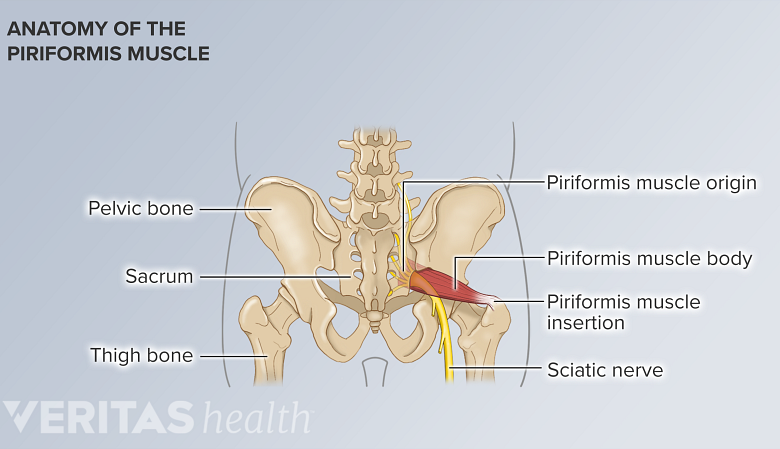
Piriformis syndrome symptoms affect the buttock, thigh, hip, and leg.
The common symptoms and signs of piriformis syndrome may include a combination of 1 Hopayian K, Danielyan A. Four symptoms define the piriformis syndrome: an updated systematic review of its clinical features. Eur J Orthop Surg Traumatol. 2018.28.155-164. http://doi.org/10.1007/s00590-017-2031-8 :
- Buttock pain. Piriformis syndrome causes pain deep in the buttock. The feeling may be described as an aching, burning, throbbing, or shooting pain that often worsens following physical activities, such as sitting, walking, running, or cycling, or any activity that involves repetitive hip and thigh motion. The pain may also worsen after being inactive for extended periods, such as while working a desk job or driving. 1 Hopayian K, Danielyan A. Four symptoms define the piriformis syndrome: an updated systematic review of its clinical features. Eur J Orthop Surg Traumatol. 2018.28.155-164. http://doi.org/10.1007/s00590-017-2031-8
- Numbness and tingling in the buttock and down the leg. The thigh and leg on the affected side may feel numb, and a tingling or pins and needles sensation may occur. These symptoms may also worsen with activities such as sitting or standing for extended periods.
- Difficulty sitting for extended periods of time. The pain and tenderness in the buttock may make it challenging to sit for long periods, particularly on hard or uneven surfaces.
- Weakness or difficulty moving the leg. The leg on the affected side may feel heavy or stiff, and it may be difficult to lift it or move it in specific directions that put tension on the piriformis muscle.
The severity of the symptoms depends on the degree of inflammation and frequency of spasms of the piriformis muscle.
Less Common Symptoms of Piriformis Syndrome
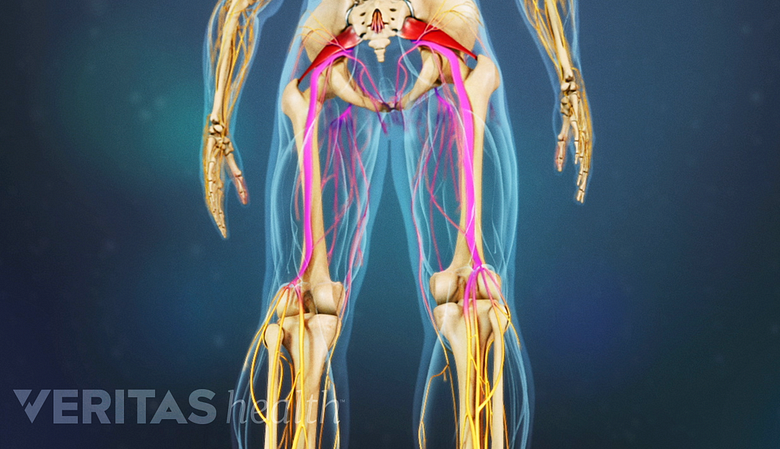
Bilateral piriformis syndrome affects the right and left buttocks at the same time.
Less commonly, the following symptoms and signs may occur in piriformis syndrome:
- Bilateral piriformis syndrome. Research suggests that in less than 10% of people with piriformis syndrome, the symptoms may occur in the right and left buttocks and both legs at the same time. 2 Fishman LM, Dombi GW, Michaelsen C, Ringel S, Rozbruch J, Rosner B, Weber B. Piriformis syndrome: Diagnosis, treatment, and outcomes – a 10 year study. Arch Phys Med Rehabil. 2002.83(3):295-301 http://doi.org/10.1053/apmr.2002.30622
- Alternating symptoms. Rarely, piriformis muscle pain may alternate between both legs. This type of alternating pattern usually suggests the presence of degenerative problems in the sacroiliac (SI) joint coexisting with piriformis syndrome. 3 Ombregt L. The dural concept. In: A System of Orthopaedic medicine. Elsevier; 2013:447-472.e4. http://doi.org/10.1016/b978-0-7020-3145-9.00033-8
- Symptoms that start after pregnancy. Piriformis syndrome may develop months after pregnancy due to the elongation and strain of gluteal muscles in the pelvis. 4 Siviroglu AK, Ozyurek S, Mutlu H, Sonmez G. Piriformis syndrome occurring after pregnancy. BMJ Case Rep. 2013.bcr2013008946. http://doi.org/10.1136/bcr-20130008946
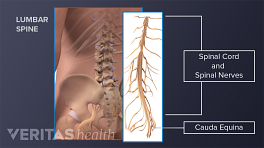
- Groin pain and numbness. Piriformis syndrome may cause groin pain and numbness due to the impingement of the pudendal nerve, a sensory and motor nerve that passes below the piriformis muscle and supplies the groin area. 5 Kaur J, Lesli SW, Singh P. Pudendal Nerve Entrapment Syndrome. [Updated 2022 Nov 28]. In StatePearls [Internet]. Treasure Island (FL): StatPearls Publishing: 2022 Jan-. Available from https://www.ncbi.nlm.nih.gov/books/NBK544272/ It is important to note that groin pain and numbness can also be related to a severe but rare medical condition called cauda equina syndrome—a medical emergency that needs immediate treatment.
Any concerning symptoms in the lower back, buttock, pelvis, or thigh must be discussed with a doctor for an accurate diagnosis and prompt treatment.
How Piriformis Syndrome Is Different from Sciatica
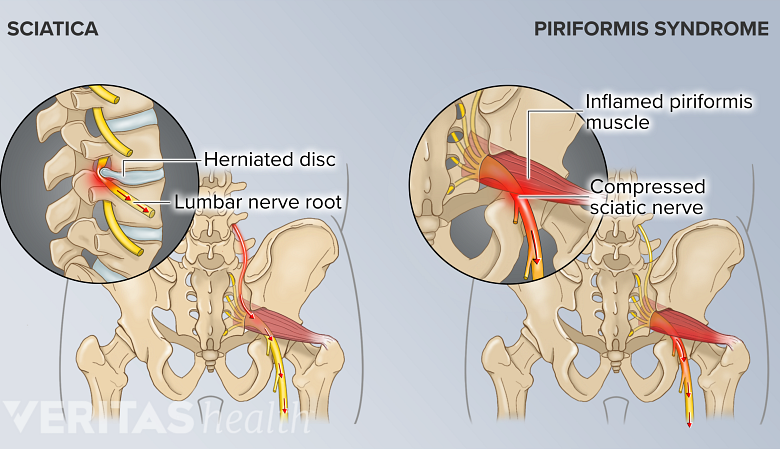
Piriformis syndrome originates in the buttock; sciatica originates in the lower back.
Sciatica is a term that describes a set of sensory and motor symptoms that originate around a spinal nerve root and travel down the leg along the sciatic nerve. Depending on the affected nerve root, the symptoms vary.
Piriformis syndrome originates in the buttock and the symptoms travel down the thigh and leg along the sciatic nerve (the nerve that is formed after the lower spinal nerve roots have merged into a thick, single nerve) These symptoms often mimic some of the sciatic nerve root symptoms.
Differentiating between the symptoms of piriformis syndrome and sciatica
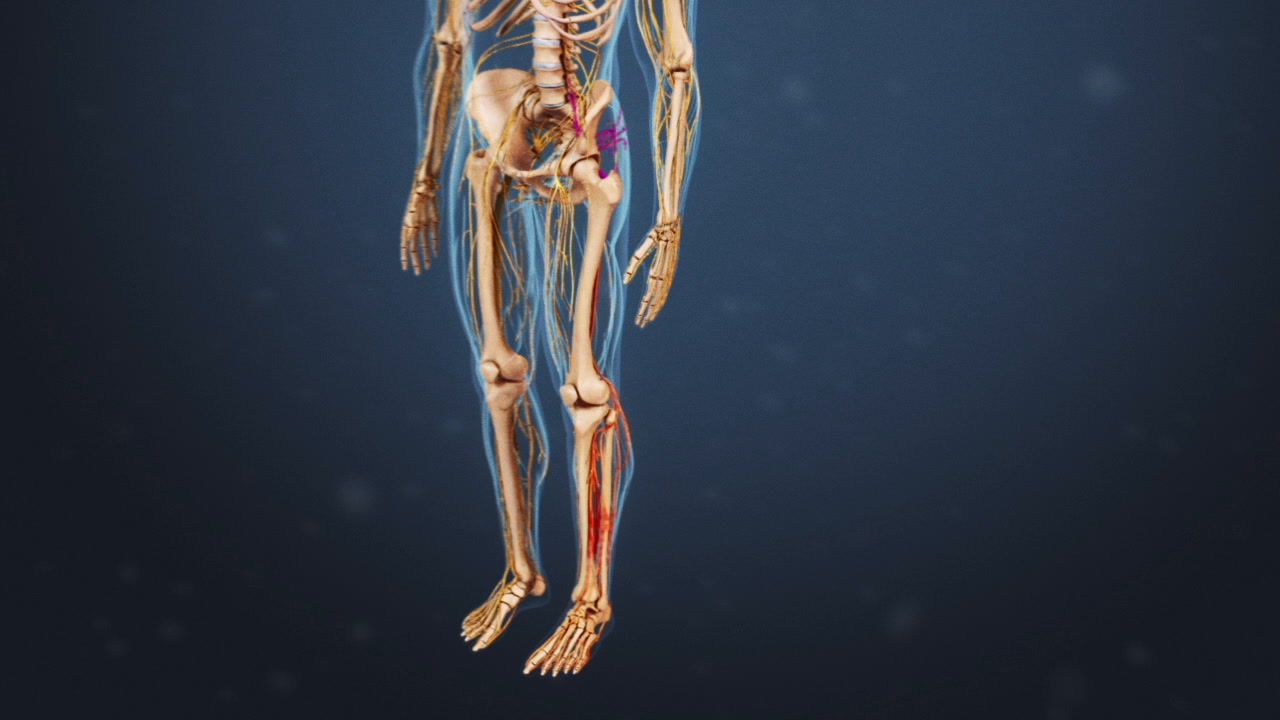
Sciatica usually does not involve intense buttock pain, and buttock pain is a classic symptom of piriformis syndrome.
While both piriformis syndrome and sciatica may cause leg pain, pain caused by sciatica is often located in the calf region below the knee, compared to piriformis pain, which is typically located in the buttock and thigh region. 6 Chang C, Jeno SH, Varacallo M. Anatomy, Bony Pelvis and Lower Limb, Piriformis Muscle. [Updated 2022 Oct 3]. In: StatPearls [Internet]. Treasure Island (FL): StatPearls Publishing; 2022 Jan-. Available from: https://www.ncbi.nlm.nih.gov/books/NBK519497/
Symptoms common to piriformis syndrome and sciatica
Both piriformis syndrome and sciatica may cause weakness in the leg and foot. A feeling of heaviness in the affected leg may make it difficult to lift the foot off the floor, particularly after long periods of inactivity, like sitting in a chair. Additionally, numbness, tingling, and/or a pins-and-needles sensation may be felt in one or more areas along the path of the sciatic nerve, including the buttock, thigh, and back of the leg. 7 Boyajian-O'Neill LA, McClain RL, Coleman MK, Thomas PP. Diagnosis and Management of Piriformis Syndrome: An Osteopathic Approach. Journal of Osteopathic Medicine. 2008.108(11):657-664. https://doi.org10.7556/jaoa.2008.108.11.657
Learn more about Sciatica Symptoms
Diagnosis of Piriformis Syndrome

A doctor reviews the patient's medical history while diagnosing piriformis syndrome.
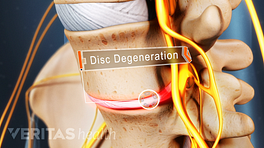
Diagnosing piriformis syndrome can be challenging, as the symptoms of piriformis syndrome can be similar to other conditions, such as herniated disc or sacroiliac joint dysfunction. 3 Ombregt L. The dural concept. In: A System of Orthopaedic medicine. Elsevier; 2013:447-472.e4. http://doi.org/10.1016/b978-0-7020-3145-9.00033-8 To accurately diagnose piriformis syndrome, physicians perform a thorough physical examination, review the individual's medical history, and may order additional tests.
Physicians with special training in musculoskeletal disorders, such as physiatrists, sports medicine specialists, and orthopedic specialists, can accurately diagnose piriformis syndrome.
Several steps are involved in the diagnostic evaluation of piriformis syndrome, including:
- Physical examination. A physical examination at the doctor’s office includes clinical tests that examine the range of motion, muscle strength, and reflexes in the lower back and legs. Physicians typically look for signs of muscle tenderness or inflammation and may also perform tests to evaluate the strength and function of the piriformis muscle and the sciatic nerve.
- Review of medical history. Reviewing the medical history includes asking about the symptoms, such as when the symptoms occur, what makes the symptoms worse or better, and any other factors that may be related to the symptoms and signs.
- Imaging studies. Imaging studies, such as an x-ray, magnetic resonance imaging (MRI), or computerized tomography (CT) scan, may be ordered to assess the health of the bones, joints, and soft tissues in the lower back and pelvis. These studies can help the physician identify any structural abnormalities or degenerative changes contributing to the symptoms.
In some cases, a referral to a specialist, such as a physiatrist, physical therapist, neurologist, or orthopedic surgeon, may be needed for further evaluation and treatment.
Clinical Tests for Piriformis Syndrome
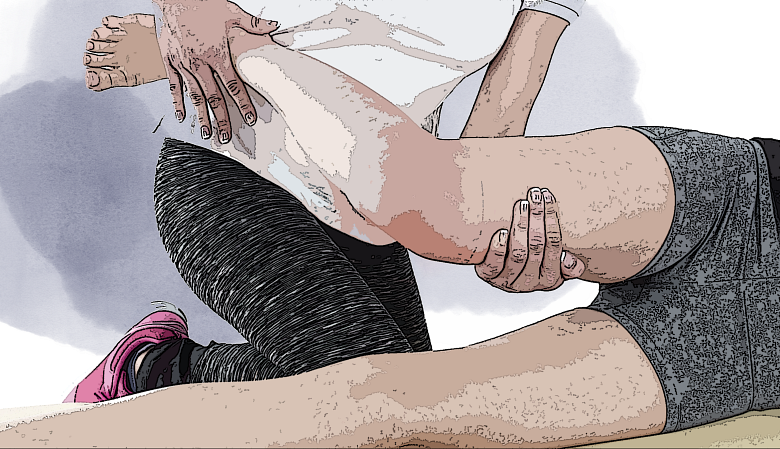
A FAIR test stretches the piriformis muscle through different maneuvers.
It is important to note that there is no single test to diagnose piriformis syndrome. During a physical examination, physicians conduct several tests to examine the health of the piriformis muscle and the sciatic nerve. These tests help reproduce the patient's pain by increasing the pressure on the sciatic nerve by tensing the piriformis and surrounding muscles 7 Boyajian-O'Neill LA, McClain RL, Coleman MK, Thomas PP. Diagnosis and Management of Piriformis Syndrome: An Osteopathic Approach. Journal of Osteopathic Medicine. 2008.108(11):657-664. https://doi.org10.7556/jaoa.2008.108.11.657 and include:
- Freiberg sign. The patient lies on their stomach with the knees bent and then rotates the hip. 8 Cass SP. Piriformis syndrome: a cause of nondiscogenic sciatica. Curr Sports Med Rep. 2015;14(1):41-44. http://doi.org/10.1249/JSR.0000000000000110 A positive result is reproducing pain around the piriformis in the buttock.
- Pace sign. The patient sits on a chair with feet flat on the ground. The doctor holds the patient’s knees together while the patient attempts to move the knees apart. Localized pain in the buttock during this test indicates piriformis syndrome. 8 Cass SP. Piriformis syndrome: a cause of nondiscogenic sciatica. Curr Sports Med Rep. 2015;14(1):41-44. http://doi.org/10.1249/JSR.0000000000000110
- Flexion abduction internal rotation of the hip (FAIR) test. The patient lies on their side and the doctor moves the patient’s leg through a series of movements, including bending, extending, and rotating, to stretch the piriformis muscle. A positive test occurs when pain is reproduced in the buttock. 9 Hopayian K, Song F, Riera R, Sambandan S. The clinical features of the piriformis syndrome: a systematic review. Eur Spine J. 2010;19(12):2095-2109. http://doi.org/10.1007/s00586-010-1504-9
- Beatty test. The patient lies on their unaffected side with the knees bent and slowly raises the affected leg. This test is positive if deep buttock pain is experienced during the raised leg movement. 10 Probst D, Stout A, Hunt D. Piriformis Syndrome: A narrative review off the anatomy, diagnosis, and treatment. PM R. 2019.11 Suppl 1:S54-S63. http://doi.org/10.1002/pmrj.12189
Physicians evaluate the results of these specific tests as well as the tests that reproduce pain in the piriformis muscle to make arrive at a diagnosis.
Nerve Stimulation and Imaging Tests for Piriformis Syndrome
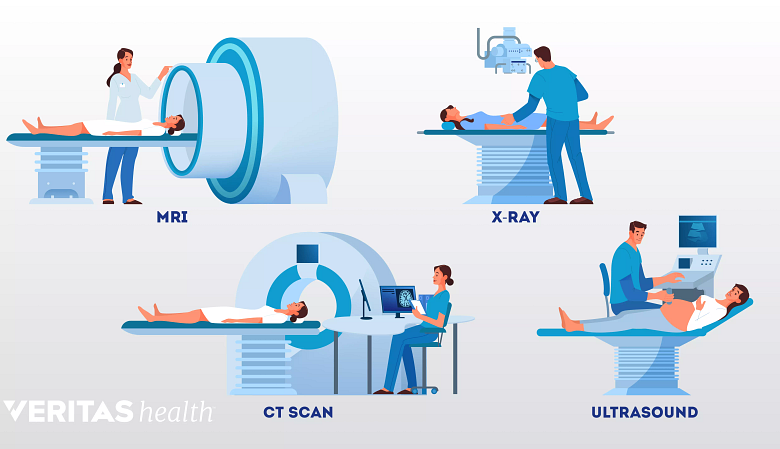
Different types of imaging tests may be used in diagnosing piriformis syndrome.
Diagnostic testing beyond a medical history and physical exam is primarily used to rule out other potential causes of buttock pain or leg pain. These studies can help the physician identify any structural abnormalities or degenerative changes contributing to the symptoms. Tests may include 10 Probst D, Stout A, Hunt D. Piriformis Syndrome: A narrative review off the anatomy, diagnosis, and treatment. PM R. 2019.11 Suppl 1:S54-S63. http://doi.org/10.1002/pmrj.12189 :
- Electromyography (EMG). EMGs are minimally invasive tests that measure electrical activity produced in a muscle in response to stimulation by a nerve. An EMG test can help identify muscle dysfunction in the buttock by testing the piriformis and other surrounding muscles. In piriformis syndrome, abnormal patterns may be observed in the gluteus maximus and piriformis muscles.
- Imaging tests. Conditions that cause symptoms similar to piriformis syndrome, such as bone spurs or herniated disc, can be detected on tests such as an MRI scan or CT scan. Anatomical changes within the piriformis muscle may sometimes be found on an MRI scan, which may help diagnose piriformis syndrome. Magnetic resonance neurography (MRN) may be used to evaluate the health of nearby nerves. 11 Han SK, Kim YS, Kim TH, Kang SH. Surgical Treatment of Piriformis Syndrome. Clinics in Orthopedic Surgery. 2017.9(2):136-144. http://doi.org/10.4055/cios.2017.9.2.136 , 12 Yang HE, Park JH, Kim S. Usefulness of Magnetic Resonance Neurography for Diagnosis of Piriformis Syndrome and Verification of the Effect After Botulinum Toxin Type A Injection: Two Cases. Barna. S, ed. Medicine. 2015.94(38):e1504. http://doi.org/10.1097/MD.0000000000001504
- Ultrasound. Diagnostic ultrasound may be used to analyze the thickness and cross-sectional area of the piriformis muscle, helping in the diagnosis of piriformis syndrome. Ultrasound may be used with CT or MRI or as a stand-alone test. This test does not have any radiation exposure and may be preferred in patients with implants. 13 Zhang W, Luo F, Sun H, Ding H. Ultrasound appears to be a reliable technique for the diagnosis of piriformis syndrome. Muscle Nerve. 2019;59(4):411-416. http://doi.org/10.1002/mus.26418
The combination of clinical tests, nerve stimulation, and imaging tests by a physician can help rule out other conditions that may mimic piriformis syndrome and aid in deciding the best treatment approach.
Once piriformis syndrome is diagnosed, a structured treatment is formulated. Both nonsurgical and surgical treatments are used to treat piriformis syndrome.
- 1 Hopayian K, Danielyan A. Four symptoms define the piriformis syndrome: an updated systematic review of its clinical features. Eur J Orthop Surg Traumatol. 2018.28.155-164. http://doi.org/10.1007/s00590-017-2031-8
- 2 Fishman LM, Dombi GW, Michaelsen C, Ringel S, Rozbruch J, Rosner B, Weber B. Piriformis syndrome: Diagnosis, treatment, and outcomes – a 10 year study. Arch Phys Med Rehabil. 2002.83(3):295-301 http://doi.org/10.1053/apmr.2002.30622
- 3 Ombregt L. The dural concept. In: A System of Orthopaedic medicine. Elsevier; 2013:447-472.e4. http://doi.org/10.1016/b978-0-7020-3145-9.00033-8
- 4 Siviroglu AK, Ozyurek S, Mutlu H, Sonmez G. Piriformis syndrome occurring after pregnancy. BMJ Case Rep. 2013.bcr2013008946. http://doi.org/10.1136/bcr-20130008946
- 5 Kaur J, Lesli SW, Singh P. Pudendal Nerve Entrapment Syndrome. [Updated 2022 Nov 28]. In StatePearls [Internet]. Treasure Island (FL): StatPearls Publishing: 2022 Jan-. Available from https://www.ncbi.nlm.nih.gov/books/NBK544272/
- 6 Chang C, Jeno SH, Varacallo M. Anatomy, Bony Pelvis and Lower Limb, Piriformis Muscle. [Updated 2022 Oct 3]. In: StatPearls [Internet]. Treasure Island (FL): StatPearls Publishing; 2022 Jan-. Available from: https://www.ncbi.nlm.nih.gov/books/NBK519497/
- 7 Boyajian-O'Neill LA, McClain RL, Coleman MK, Thomas PP. Diagnosis and Management of Piriformis Syndrome: An Osteopathic Approach. Journal of Osteopathic Medicine. 2008.108(11):657-664. https://doi.org10.7556/jaoa.2008.108.11.657
- 8 Cass SP. Piriformis syndrome: a cause of nondiscogenic sciatica. Curr Sports Med Rep. 2015;14(1):41-44. http://doi.org/10.1249/JSR.0000000000000110
- 9 Hopayian K, Song F, Riera R, Sambandan S. The clinical features of the piriformis syndrome: a systematic review. Eur Spine J. 2010;19(12):2095-2109. http://doi.org/10.1007/s00586-010-1504-9
- 10 Probst D, Stout A, Hunt D. Piriformis Syndrome: A narrative review off the anatomy, diagnosis, and treatment. PM R. 2019.11 Suppl 1:S54-S63. http://doi.org/10.1002/pmrj.12189
- 11 Han SK, Kim YS, Kim TH, Kang SH. Surgical Treatment of Piriformis Syndrome. Clinics in Orthopedic Surgery. 2017.9(2):136-144. http://doi.org/10.4055/cios.2017.9.2.136
- 12 Yang HE, Park JH, Kim S. Usefulness of Magnetic Resonance Neurography for Diagnosis of Piriformis Syndrome and Verification of the Effect After Botulinum Toxin Type A Injection: Two Cases. Barna. S, ed. Medicine. 2015.94(38):e1504. http://doi.org/10.1097/MD.0000000000001504
- 13 Zhang W, Luo F, Sun H, Ding H. Ultrasound appears to be a reliable technique for the diagnosis of piriformis syndrome. Muscle Nerve. 2019;59(4):411-416. http://doi.org/10.1002/mus.26418