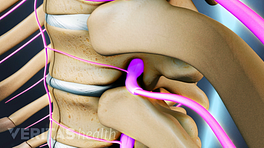
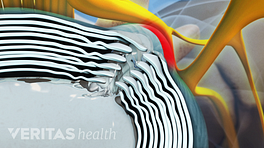
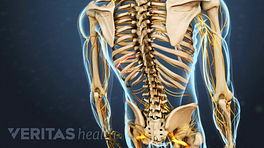
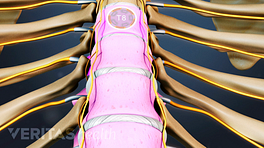
Pain is the most common symptom of a thoracic herniated disc and may be isolated to the upper back or radiate in a dermatomal (single nerve root) pattern. Thoracic back pain may be exacerbated when coughing or sneezing.
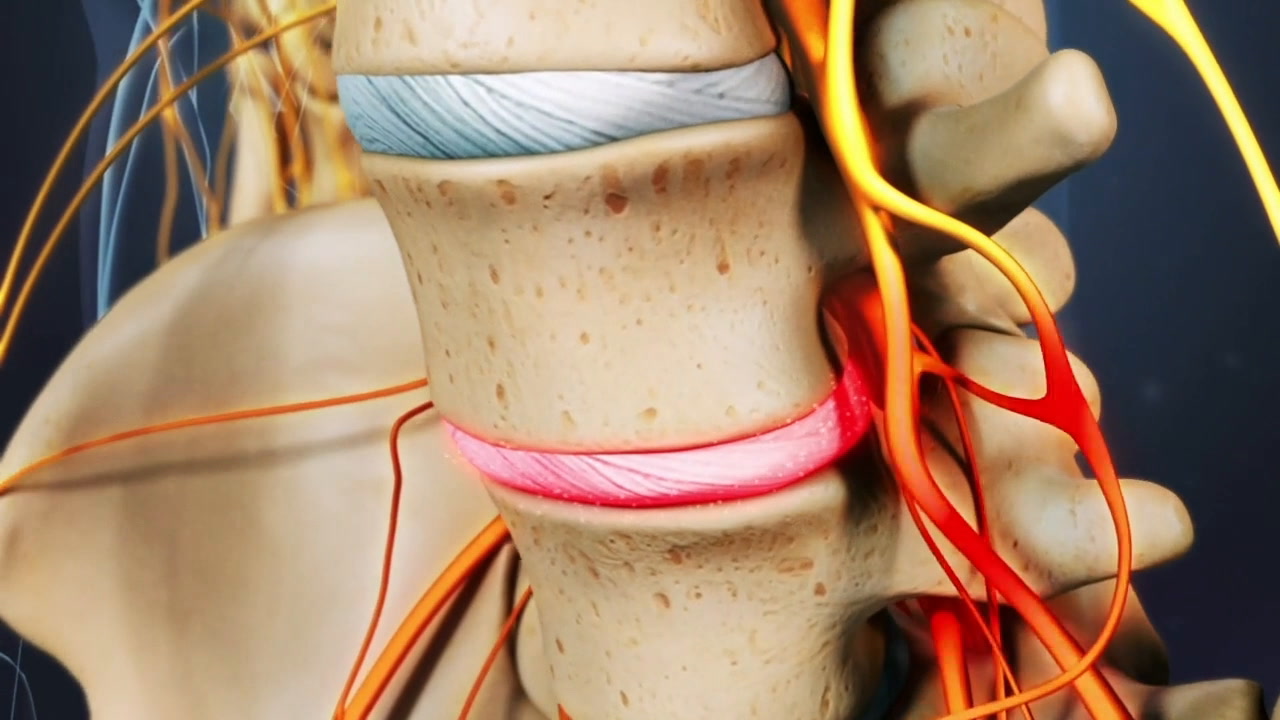
Radiating pain may be perceived to be in the chest or belly, and this leads to a quite different diagnosis that will need to include an assessment of heart, lung, kidney and gastrointestinal disorders as well as other non-spine musculoskeletal causes.
Within the spine itself there are also many other disorders that can have similar presenting symptoms of upper back pain and/or radiating pain, such as a spine fracture (e.g. from osteoporosis), infection, tumor, and certain metabolic disorders.
In This Article:
If the disc herniates into the spinal cord area, the thoracic herniated disk may also present with myelopathy (spinal cord dysfunction). This may be evident by sensory disturbances (such as numbness) below the level of compression, difficulty with balance and walking, lower extremity weakness, or bowel or bladder dysfunction.
Common Thoracic Herniated Disc Symptoms
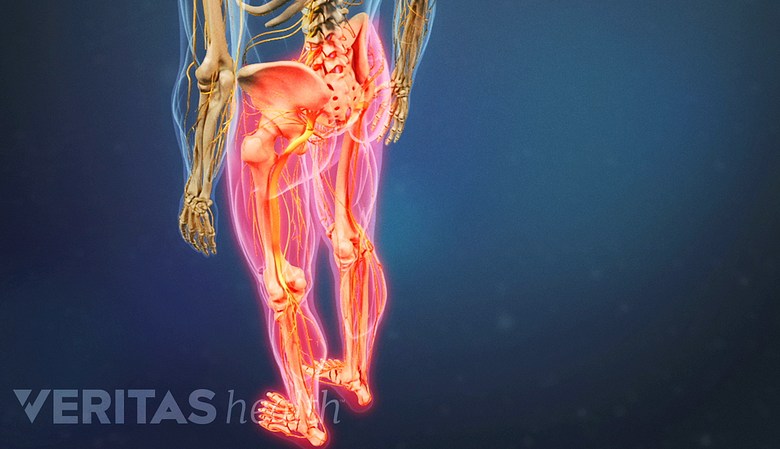
In severe cases, a thoracic herniated disc may result in paralysis below the waist.
Presenting symptoms of a thoracic herniated disc often correlate with the size and location of the disc herniation. The herniated material may protrude in a central, lateral (sideways), or centro-lateral direction with the majority having a central component. Typical symptoms for each include:
- Central disc protrusion. This type of herniation usually causes upper back pain and/or myelopathy, depending on the size of the herniated disc and the amount of pressure on the spinal cord. There is limited room around the spinal cord in the thoracic spine, so a thoracic herniated disc can put pressure on the cord and affect the related nerve function. In serious cases, a thoracic herniated disc can lead to paralysis from the waist down.
- Lateral disc herniation. When herniating laterally, or to the side, the thoracic herniated disc is more likely to impinge on the exiting nerve root at that level of the spine and cause radiating chest wall or abdominal pain.
- Centro-lateral disc herniation.This type of thoracic herniated disk may present with any combination of symptoms of upper back pain, radiating pain, or myelopathy.